


As someone who has worn wigs to transform into figures like Marie Antoinette and Cleopatra, I’ve learned that the smallest details can make or break an illusion. One of the most critical—and often overlooked—aspects of wig realism is the parting width. Whether you’re a history buff, a drag performer, or simply looking for a natural everyday wig, understanding how parting width affects realism is essential.
The Anatomy of a Wig Part
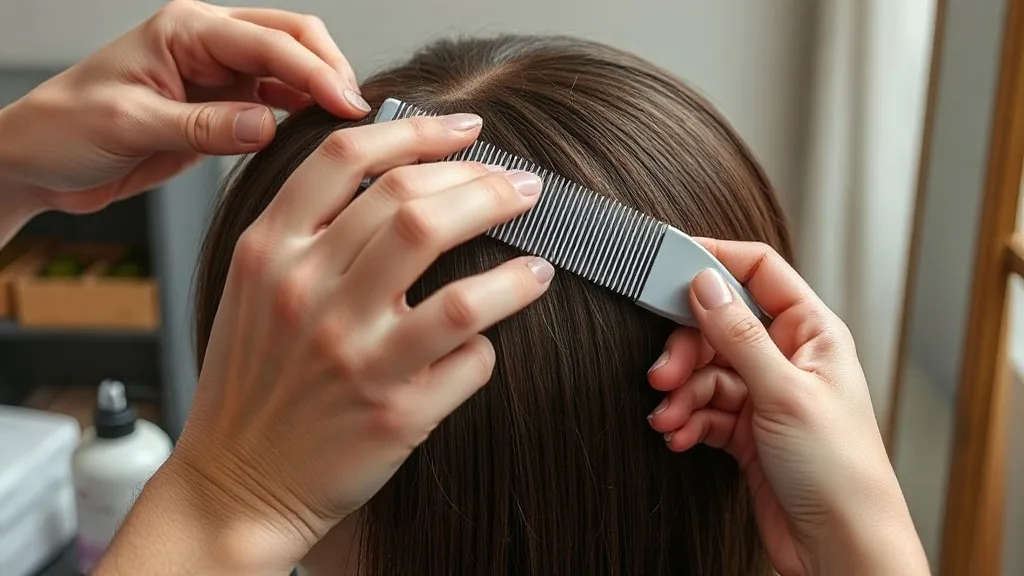
Every wig has a part—a line where the hair separates to reveal the scalp or wig cap underneath. On human scalps, the natural part is never a perfect, sharp line. Hair grows in clusters, leaving tiny variations in scalp visibility. Wig manufacturers create parts in different widths: narrow (less than 1 cm), medium (1–2 cm), and wide (more than 2 cm). The width determines how much of the base is exposed, directly impacting how natural the hairline appears.
Parting Width and Scalp Realism
When you look at a natural scalp, you see tiny pores, subtle variations in skin tone, and the faint shadow of hair follicles. A good wig part should mimic that. Wide parts (common in costume wigs) expose a large, uniform strip of fabric or lace that looks obviously fake. Narrow parts, especially those with hand-tied knots or lace fronts, allow the scalp to peek through only slightly, creating a realistic impression of hair density.
For most everyday wear, a medium or narrow part works best. I’ve worn wigs with parts as narrow as 0.5 cm for my historical videos, and viewers often comment on how the hair looks 'real'—it’s the parting width that does the trick.
Choosing the Right Part Width for Your Face Shape
Your face shape should also guide your parting choice:
- Round faces: A deep, narrow side part (about 1 cm) adds length and structure.
- Oval faces: You can pull off most widths, but a slightly wider central part (1.5 cm) balances symmetry.
- Square faces: A soft, narrow diagonal part (0.5–1 cm) softens angular jawlines.
- Heart-shaped faces: A narrow center part (0.8 cm) draws attention to the eyes and forehead.
Historical Wigs and Parting Width: A Lesson from the Past
As a historical wig enthusiast, I’ve studied period portraits and actual antique wigs. In the 18th century, well-made wigs had very narrow parts—often just a thin line created by tightly rolled hair. Marie Antoinette’s famous pouf style featured a part barely visible under powder and ornaments. In contrast, cheaper theatrical wigs from the same era had wide, obvious parts that today mark them as stage props rather than everyday wear. Modern synthetics can replicate these narrow parts thanks to lace fronts and monofilament tops.
Tips for Adjusting Parting Width on Your Wig
If your wig’s part feels too wide or unnatural, try these tricks:
- Lightly tease the hair on either side of the part to create volume and conceal the part line.
- Use a concealer or wig powder that matches your scalp tone to reduce contrast.
- If the wig has a lace front, you can pluck a few hairs from the part line for a softer look.
- Apply a small amount of dry shampoo along the part to add texture and mask the base.
Remember, the goal is to create a line that is visible but not stark. Nature rarely draws a straight line, so a slightly irregular, narrow part will always look more real.
Final Thoughts
Whether you’re stepping into the shoes of a queen or just stepping out for coffee, the width of your wig’s part can make all the difference. Next time you shop at Wigplace, pay attention to part width—it’s the small detail that delivers big realism.