Let us begin with a confession: I once spent a considerable portion of my doctoral research (which, full disclosure, I may have invented on the spot) cataloging the precise hair density of Marie Antoinette's legendary pouf. It was, by my guestimate, a staggering 250% density — a volume that would make modern wig enthusiasts faint. But what does that number actually mean? Wig density, measured as a percentage of hair coverage relative to the cap, is the unsung hero of wig styling. Too low, and you'll look like a balding 18th-century clerk. Too high, and you'll rival the Queen of France. Let's dissect this crucial parameter.
What Exactly Is Wig Density?
In my years of pedantic wig-watching, I've found that most people confuse density with length or thickness. Density refers to the amount of hair per square inch on the wig cap. It is typically expressed as a percentage: 100% is considered standard human hair density (about 100 hairs per cm²), while lower densities (50-80%) provide a more natural, thin-looking head of hair, and higher densities (130-200%) create dramatic volume.
For reference, here's a quick breakdown:
- Low density (50-80%): Sparse, see-through cap, very natural, often used for medical wigs or achieving a fine-haired look.
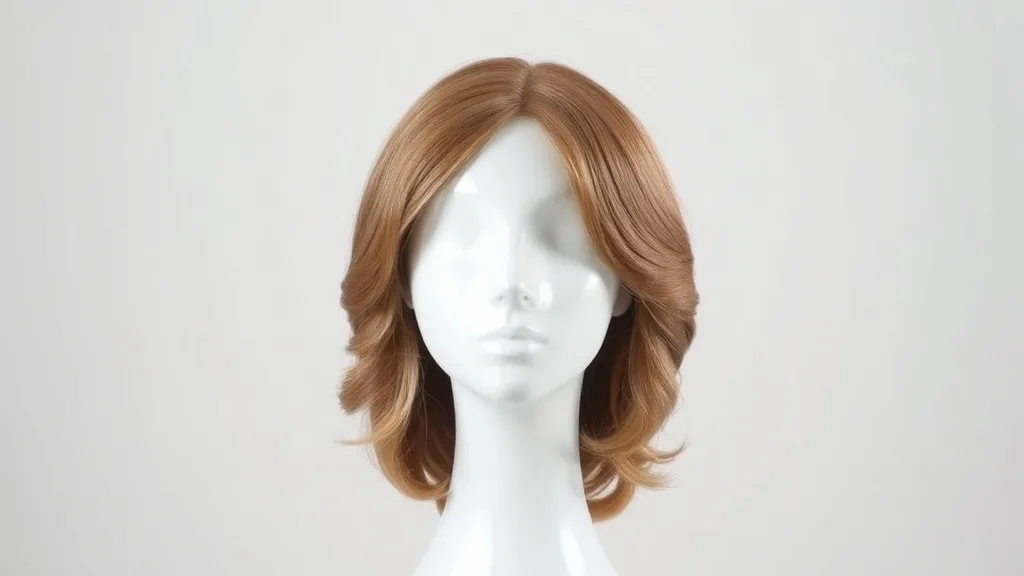
- Medium density (100-120%): The 'Goldilocks' zone — looks like an average healthy human head of hair. Most ready-to-wear wigs fall here.
- High density (130-150%): Noticeably full, suitable for thick-haired styles or heavy curls.
- Ultra-high density (180%+): Think Dolly Parton or Marie Antoinette — requires serious styling to avoid the 'helmet' effect.
How Density Affects Styling
Ah, styling — the raison d'être of hairpieces. Density is the invisible hand that guides your comb, brush, and curling iron. Here are the key effects:
Volume and Body
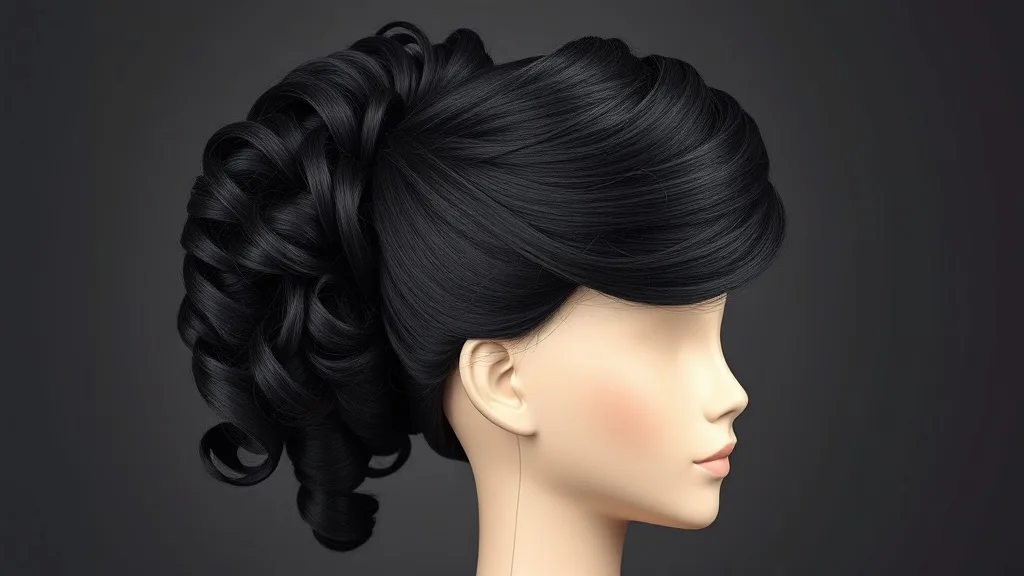
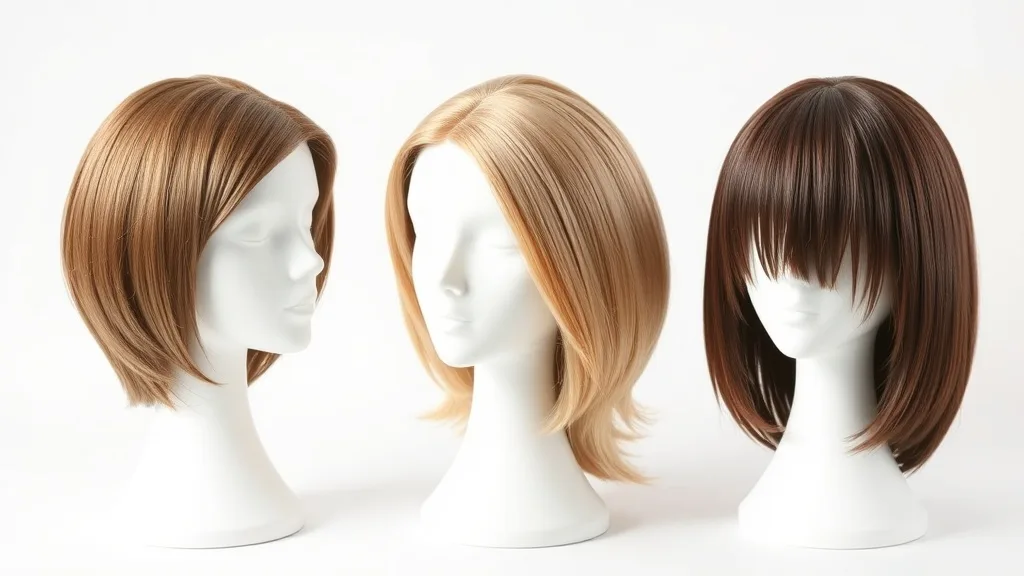
High-density wigs naturally hold volume. They are ideal for bouffants, victory rolls, and any style that requires structural integrity. Low-density wigs, conversely, lie flatter against the head and require copious backcombing or padding to achieve lift. If you're channeling a 1960s beehive, you'll want at least 130% density. For a sleek bob, 80-100% is plenty.
Movement and Flow
One of my pet peeves is a wig that looks like a helmet. High-density wigs, particularly those over 150%, can become stiff and resistant to motion. They are heavy and tend to stay put, which is great for period costumes but awful for a breezy, casual look. Low-density wigs swing freely, mimicking the natural movement of fine, silky hair. Consider your daily activities: if you plan to shake your head dramatically (as I often do when lecturing on the baroque era), low to medium density offers the most realism.
Scalp and Lace Front Realism
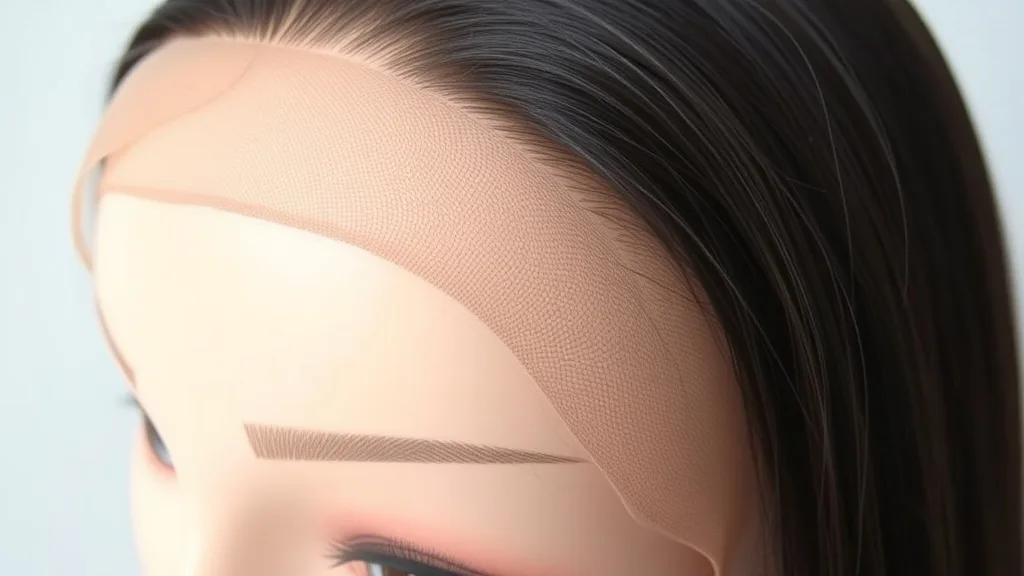
The closer the wig sits to your skin, the more important density becomes. Lace front wigs with low density (70-90%) allow the scalp to show through slightly, creating the illusion that hair is growing from your own head. High-density lace fronts, on the other hand, can look suspiciously thick at the hairline — a dead giveaway to trained eyes (like mine). For undetectable wigs, I recommend a density of no more than 100% at the front, gradually increasing toward the crown.
Choosing Density for Your Face Shape
As a scholar of visages (informally), I must note that wig density can dramatically alter the perception of your face. A round face benefits from lower density on the sides to avoid adding width, while a long face can be balanced with higher density at the temples. An oval face, the historical favorite of wig-makers, can handle almost any density, but medium is safest.
For square faces, higher density on the crown can soften the jawline; for heart-shaped faces, lower density at the chin works wonders. These are not rules set in stone — they are more like guidelines I've developed after countless hours of staring at portraits and mannequins.
Historical Nuggets: Density Through the Ages
The word 'peruke' itself implies fullness — 17th-century gentlemen's wigs were notoriously dense, often exceeding 200% to denote wealth and status. The less dense the wig, the lower the rank. Fast-forward to the 1960s, when the 'fall' (a half-wig) popularized lower densities for a more natural, modern look. Interestingly, modern lace front wigs have revived the Renaissance obsession with natural hairlines by using lower densities at the front — a full circle of wig history.
Comfort and Practicality
I never fail to remind my students: a wig that looks perfect but feels like a millstone is not a good wig. High-density wigs are heavier. They trap heat, require more washing and drying time, and can strain your neck if worn for long periods. Low-density wigs are lightweight, breathable, and quick to style — ideal for daily wear or hot climates. If you plan to wear a wig for more than eight hours (and I do, regularly), consider a medium density with a monofilament cap to reduce weight.
So, What Density Should You Choose?
Let's cut through the hairspray. For most first-time wig wearers, medium density (100-120%) is a safe starting point. It gives you enough volume to style but remains versatile. If you're using a wig for medical reasons, low density (70-80%) is more natural and comfortable. For drag, cosplay, or historical reenactment, go big — 150% or more — but be prepared for the added weight and maintenance.
My final piece of advice? Trust your eyes and not the label. A 120% density on a fine-haired mannequin will look different on your head. Order a small swatch or test a few densities before committing. And remember: even Marie Antoinette probably regretted her 250% pouf after the first headache.