What Are Wig Wefts?
If you've ever worn a wig, you've probably seen wefts—those sewn rows of hair that make up the bulk of most wigs. But do you really know what they are and how they affect your wig's performance? I'm Andrew Jackson, and I've installed wigs through hurricanes, roller coasters, and everything in between. Let me tell you: understanding wefts is the difference between a wig that stays put and one that embarrasses you at a family reunion.
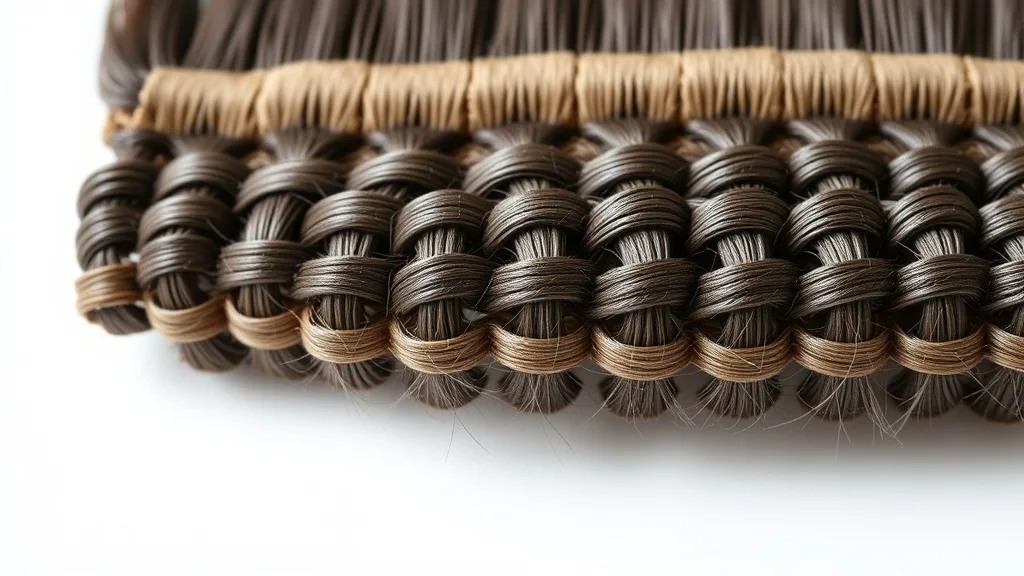
A weft is essentially a strip of hair (human or synthetic) that is sewn together at the top. These strips are then sewn onto a wig cap to create fullness and coverage. Wefts come in different widths, materials, and constructions, each with its own strengths and weaknesses. Choosing the wrong weft can lead to shedding, tangling, or even a wig that slides off your head. Trust me, I've seen it all.
Types of Wig Wefts
Not all wefts are created equal. Here are the most common types you'll encounter:
- Machine Wefts: The most common and affordable. Hair is sewn by machine into a weft strip. They're durable but can be bulky and less natural-looking at the roots.
- Hand-Tied Wefts: Each hair is individually knotted by hand onto a weft. This creates a thinner, more flexible weft that lays flatter and mimics natural hair growth. More expensive, but worth it for a natural look.
- Skin Wefts: Also called 'mono wefts,' these have a thin layer of polyurethane at the base. They're lightweight and comfortable, but can be fragile if not handled carefully.
- Magnetic Wefts: A newer innovation with tiny magnets embedded in the weft for easy attachment and removal. Great for temporary wear, but not as secure for active lifestyles.
Each type has its place. For example, if you're a marathon runner like some of my clients, hand-tied wefts with strong stitching are your best friend. If you're just dipping your toes into wigs, machine wefts are a budget-friendly start.
The Pros and Cons of Wefted Wigs
Wefted wigs are popular for good reasons, but they're not perfect. Let's break it down.
Pros
- Fullness: Wefts add instant volume and thickness, perfect for thin hair or dramatic styles.
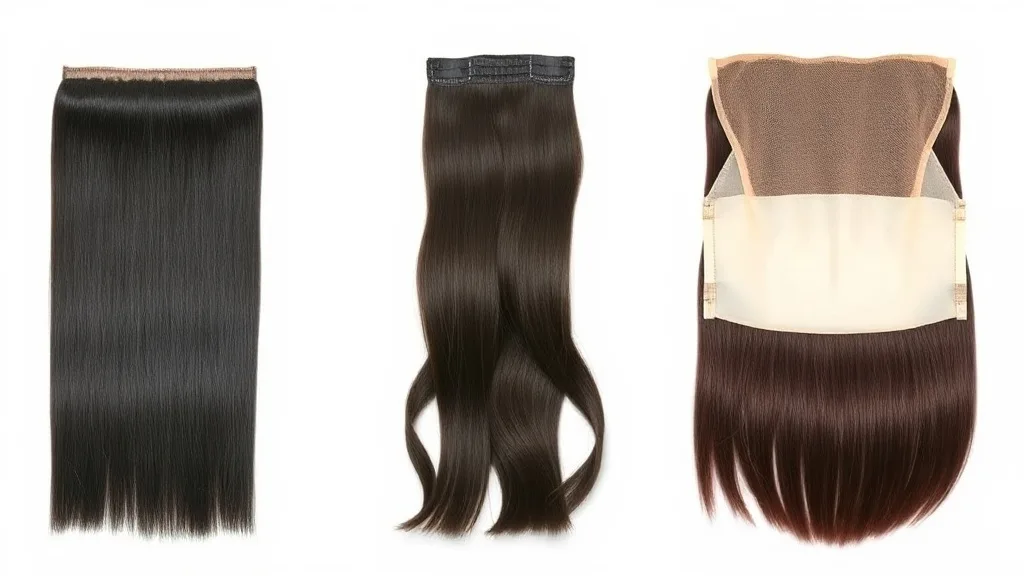
- Affordability: Compared to lace front or monofilament wigs, wefted wigs are generally cheaper.
- Variety: Wefts can be curled, straightened, or dyed (if human hair) just like your own hair.
- Durability: Machine wefts especially are tough and can withstand a lot of wear.
Cons
- Bulkiness: Multiple wefts stacked can create an unnatural bump, especially at the crown.
- Shedding: Poorly constructed wefts shed hair like a Golden Retriever in summer.
- Limited Styling: You can't part a wefted wig anywhere; you're stuck with the part line sewn into the cap.
- Heat: Synthetic wefts don't take heat styling well, and even human hair wefts can get damaged if you're not careful.
I've seen clients cry over shedding wefts. That's why I always recommend inspecting the weft construction before buying. A good weft should have tight, even stitching and minimal loose hairs.
How to Choose the Right Weft for Your Wig
Choosing the right weft depends on your lifestyle, budget, and desired look. Here's my expert advice:
- Consider your activity level: If you're active, go for hand-tied wefts with reinforced stitching. They bend with your movement and stay secure.
- Think about the part: If you want a realistic part, you might want a wig with a monofilament top or lace front instead of full wefts. But if you're okay with a fixed part, wefts are fine.
- Check the density: More wefts = more volume, but also more weight. For a natural look, aim for medium density (around 150-180% density).
- Inspect the weft width: Narrower wefts (2-3 inches) lay flatter and are more comfortable than wide wefts (5-6 inches).
And please, don't buy the cheapest wig you find online. I've seen wefts that look like they were sewn by a toddler. Invest in quality, and your head will thank you.
Caring for Wefted Wigs
Wefts need love, too. Here's how to keep them in top shape:
- Wash gently: Use sulfate-free shampoo and conditioners. Avoid scrubbing the wefts; instead, gently squeeze and rinse.
- Dry properly: Never wring out a wig. Pat dry with a towel and let it air dry on a stand.
- Store carefully: Hang your wig on a stand or lay it flat. Don't toss it in a drawer—the wefts can get tangled.
- Avoid heat: If synthetic, keep away from curling irons. Even human hair wefts should be heat-protected.
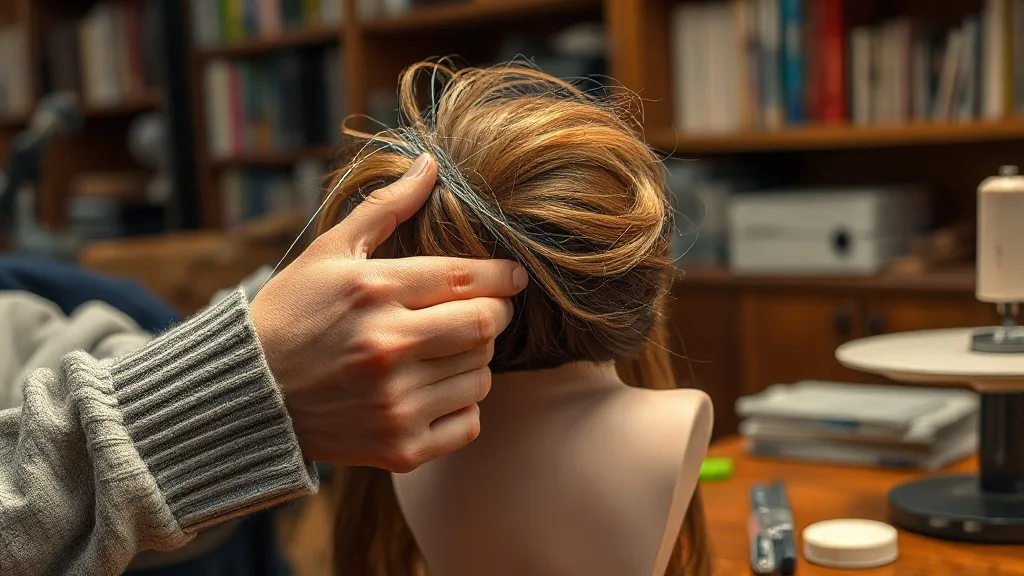
- Tighten loose wefts: If a weft starts to come loose, take it to a professional (like me!) to re-sew it. Don't use glue—that's a disaster waiting to happen.
I once had a client who tried to glue a loose weft back in place. She ended up with a bald spot and a sticky mess. Learn from her mistakes.
Final Words from Your Overprotective Wig Installer
Wig wefts might seem like a small detail, but they're the backbone of your wig. Whether you're going for a natural look or a dramatic style, understanding wefts helps you make an informed choice. Don't let cheap wefts or bad advice ruin your experience. Invest in quality, care for your wig properly, and you'll have a wig that stays secure through wind, rain, and even a roller coaster (yes, I've tested that). Stay beautiful, stay secure!