
What Exactly Is Wig Ventilation?
Wig ventilation is the art and science of attaching hair to the wig cap. It’s what determines how your wig moves, falls, and looks natural. Whether you’re new to wigs or a seasoned wearer, understanding ventilation is key to finding a wig that feels like *you*.
The Anatomy of a Wig Cap
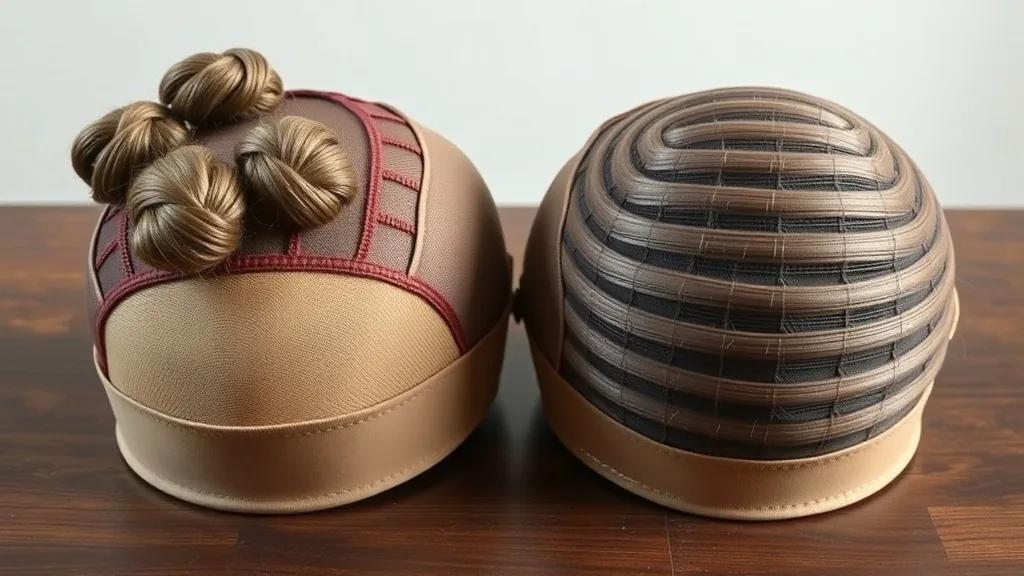
Wig caps come in different constructions: wefted caps have hair sewn onto strips, while monofilament and hand-tied caps have hair individually knotted. Each affects how the wig behaves on your head.
Hand-Tied vs. Machine-Wefted: The Real Deal
Hand-tied wigs offer 360-degree movement and a natural scalp look because each hair is tied by hand. Machine-wefted wigs are more affordable but can feel bulkier and less realistic. Your choice depends on your budget and how natural you want it to look.
Why Ventilation Matters for Realism
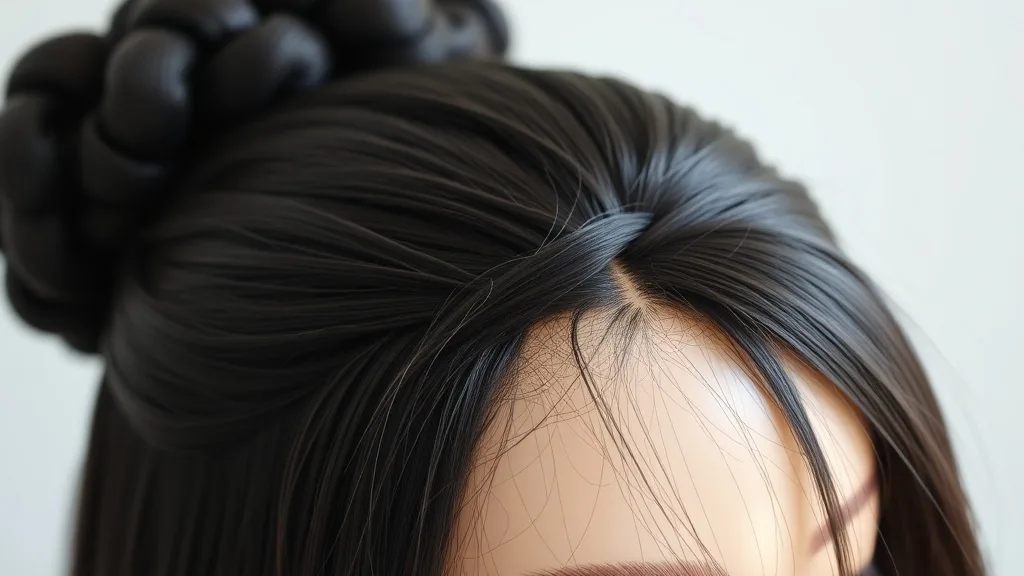
The ventilation method affects how the hair parts, the appearance of the scalp, and the overall movement. A well-ventilated wig can fool even the closest observer.
Finding Your Perfect Ventilation
If you have medical hair loss, a hand-tied wig with a monofilament top can give you the most natural look. For fashion wigs, a good quality wefted cap might suffice. Always consider your lifestyle and comfort.
Caring for Your Ventilated Wig
Gentle washing, storing on a stand, and avoiding excessive heat will prolong your wig’s life. Hand-tied wigs need extra care to avoid loosening knots.
Final Thoughts: Embrace Your Crown
Don’t be intimidated by ventilation terminology. Whether you go hand-tied or wefted, the best wig is the one that makes you feel like the badass you are. Rock it, queen!