

Introduction: Why Shedding Happens
If you’ve ever run your fingers through your wig and found a few stray hairs in your hand, you’re not alone. Shedding is one of the most common concerns among wig wearers, and it’s often misunderstood. As a wig conditioning chemist, I’ve spent years studying the structure of wig fibers and the factors that cause them to loosen. Let me assure you: a little shedding is completely normal. But when does it become a problem? And what can you do about it?
The Science of Shedding
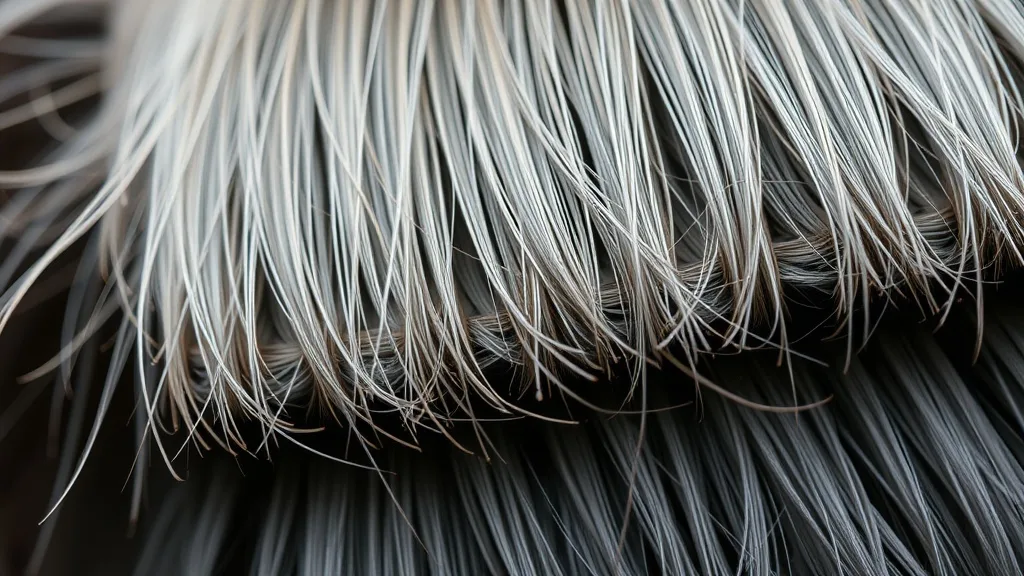
Every wig—whether synthetic or human hair—is constructed by attaching individual strands to a base. The method of attachment (wefting, knotting, or ventilating) determines how secure each hair is. Over time, friction, tension, and product buildup can weaken these attachments. Understanding the anatomy of a wig fiber helps you appreciate why some shedding is inevitable and how to minimize it.
Normal vs. Excessive Shedding
A brand-new wig may shed a few hairs initially due to loose strands from the manufacturing process—this is normal. But if you’re losing more than a dozen hairs per brushing session, or if entire wefts are separating, that’s excessive. Factors like poor construction, harsh styling, or lack of proper care can accelerate shedding. Let’s break down the most common causes.
Common Causes of Shedding
- Poor quality wefting: Machine-made wefts can be less secure than hand-tied ones.
- Overstyling: Excessive heat, brushing, or chemical treatments weaken fibers.
- Improper detangling: Starting from the roots instead of the ends causes breakage.
- Product buildup: Heavy gels and sprays can dry out the base and cause slippage.
- Environmental factors: Sun exposure, chlorine, and salt water degrade fibers over time.
How to Prevent Shedding
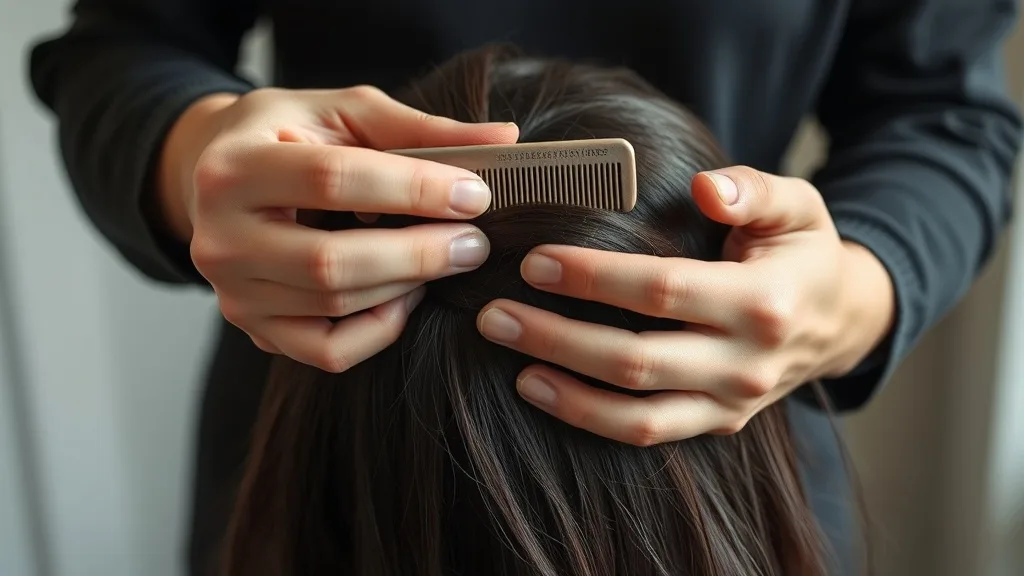
- Handle with care: Always detangle from the ends upward using a wide-tooth comb.
- Wash gently: Use sulfate-free shampoos and lukewarm water. Avoid scrubbing the base.
- Condition regularly: Apply a lightweight conditioner to keep fibers supple and reduce friction.
- Avoid excessive heat: If you must style with heat, use a heat protectant spray.
- Store properly: Place your wig on a stand or in a silk bag to prevent tangling.
What to Do If Your Wig Sheds Excessively
If your wig is shedding more than usual, don’t panic. First, try using a clear wig sealant or fabric glue along the wefts to reinforce the attachment. You can also take it to a professional for re-wefting. In severe cases, it might be a manufacturing defect—contact the seller for a replacement if the wig is new. Remember, regular conditioning can also help by keeping the fibers and base healthy.
The Role of Conditioning in Reducing Shedding
As a chemist, I’ve formulated conditioners that penetrate the cuticle of synthetic fibers to restore moisture and flexibility. Well-conditioned hairs are less likely to snap near the root or slip out of their knots. Oils like argan and jojoba mimic natural sebum, reducing friction and static. I recommend a silicone-free conditioner for synthetic wigs and a protein-rich one for human hair wigs. A little care goes a long way in keeping every strand where it belongs.
Final Thoughts
Wig shedding doesn’t have to be a source of anxiety. With the right knowledge and a gentle routine, you can significantly extend the life of your wig and enjoy a natural, full look. Remember, not all shedding is bad—it’s often just a sign that your wig is being worn and loved. If you have questions about specific products or techniques, don’t hesitate to reach out. I’m here to help you nurture your wig back to its best.