Why Customize Your Wig?
Most wigs come off the rack with a one-size-fits-all approach. But if you're like me—someone who spends hours studying celebrity hairlines and collecting authentic replicas—you know that perfection is in the details. Customization transforms a generic wig into a second skin. Whether it's plucking the hairline for a natural look, trimming the lace to fit your face shape, or adding subtle highlights, every tweak brings you closer to wig nirvana. I've customized wigs for everything from everyday wear to recreating Justin Bieber's iconic 'fro. Trust me, it's worth the effort.
The Customization Process: Step by Step
Customization can feel overwhelming, but breaking it down makes it manageable. Here's my go-to process:
- 1. Assess the wig: Check the cap construction, density, and hair quality. Is it lace front, full lace, or mono top? Knowing this determines what you can do.
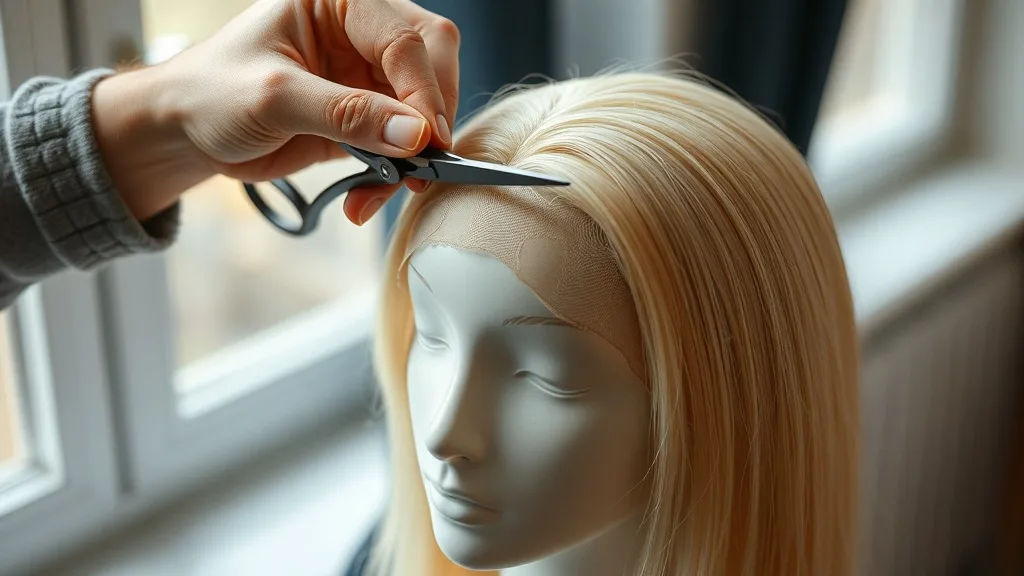
- 2. Trim the lace: Cut the lace close to the hairline, leaving about 1/8 inch for a seamless blend. Use sharp scissors and go slow.
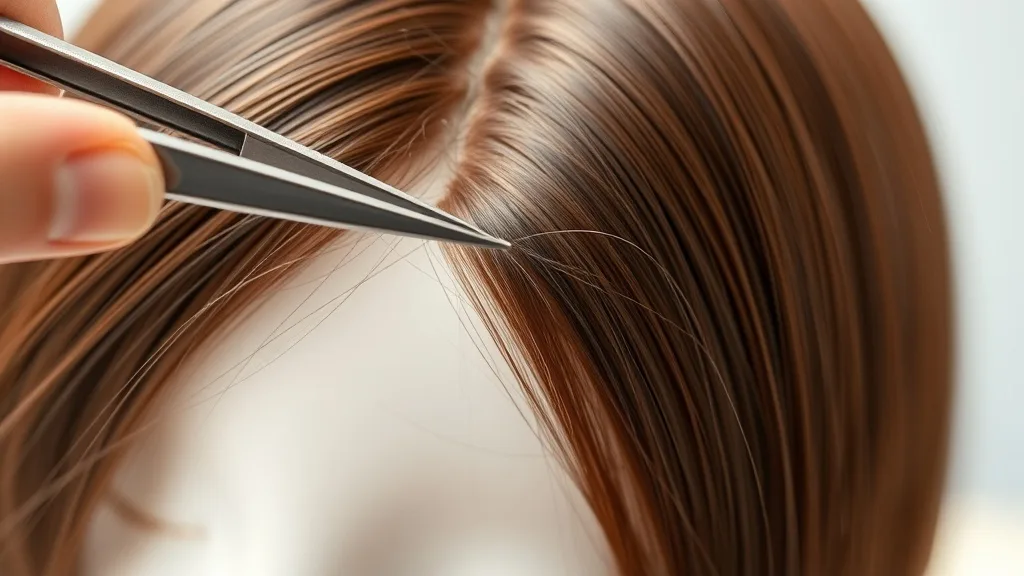
- 3. Pluck the hairline: Use tweezers to remove a few hairs at a time, creating a natural, irregular hairline. I spend at least 30 minutes on this step.
- 4. Customize the part: If the wig has a middle part, you can train it to a side part by wetting and styling. For a more realistic look, add concealer to the part line.
- 5. Style and cut: Trim the lengths to suit your face shape. I often layer wigs to mimic celebrity hairstyles—like adding face-framing pieces for a Zendaya-inspired look.
- 6. Add personal touches: Subtle highlights, baby hairs, or even a slight perm can take a wig from good to jaw-dropping.
Common Myths About Wig Customization
There's a lot of misinformation out there. Let me debunk a few:
- Myth: You need professional training to customize. Reality: With patience and practice, anyone can learn. I taught myself by watching tutorials and experimenting on cheap wigs.
- Myth: Customization ruins the wig. Reality: If you make mistakes, you can often undo them (e.g., using fabric softener to restore curls). Always start small.
- Myth: Only human hair wigs can be customized. Reality: Synthetic wigs can be customized too—with heat-friendly synthetics, you can even use heat tools on low settings.
DIY vs. Professional Customization
When should you DIY, and when should you call in a pro? I recommend DIY for simple tweaks like trimming lace, plucking, or adding baby hairs. For major overhauls—like completely restructuring the cap or dyeing a wig a drastically different color—a professional stylist who specializes in wigs is worth the investment. I've seen too many heartbreaks from botched home dye jobs. On my collector's budget, I reserve pros for my high-end celebrity replicas. For everyday wigs, I'll get my hands dirty.
Tips from a Collector: My Obsessive Hacks
Here are my trade secrets:
- Use a mannequin head with adjustable clamp for precision work. I've named mine 'Buster'.
- For a realistic scalp illusion, airbrush the part line with a mix of makeup and alcohol—my shade is a blend of 'Root Touch-Up' and 'Scalp Micropigmentation'.
- Keep a 'wig journal' with photos of celebrities and notes on hair patterns. I have over 200 pages on Justin Bieber's hair evolution alone.
- Invest in a high-quality detangling brush and heat protectant. A ruined wig is a tragedy.
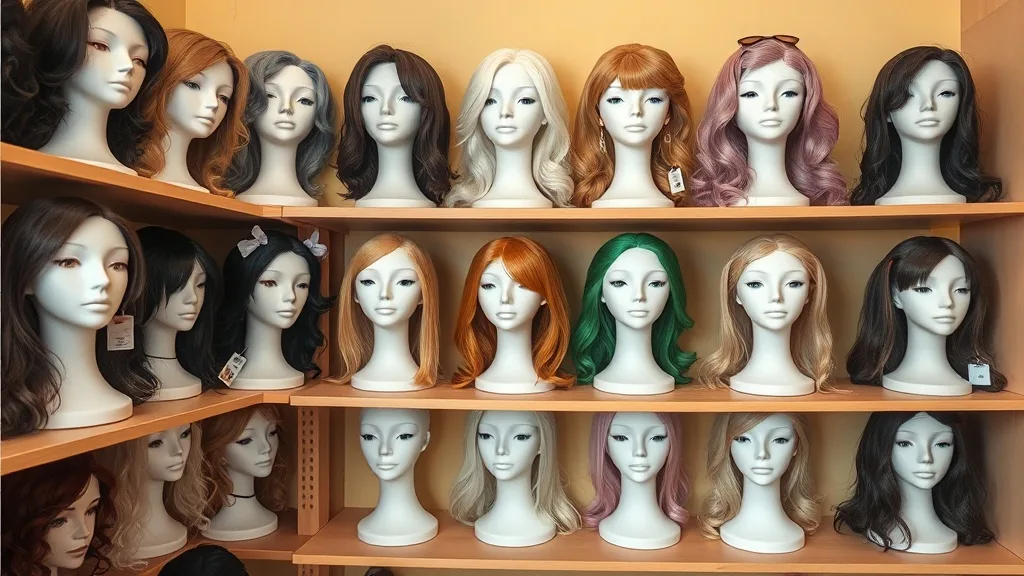
- Store wigs on foam heads to maintain shape. I color-code mine by era (e.g., 2010 Bieber vs. 2023 Bieber).
Conclusion: Embrace the Obsession
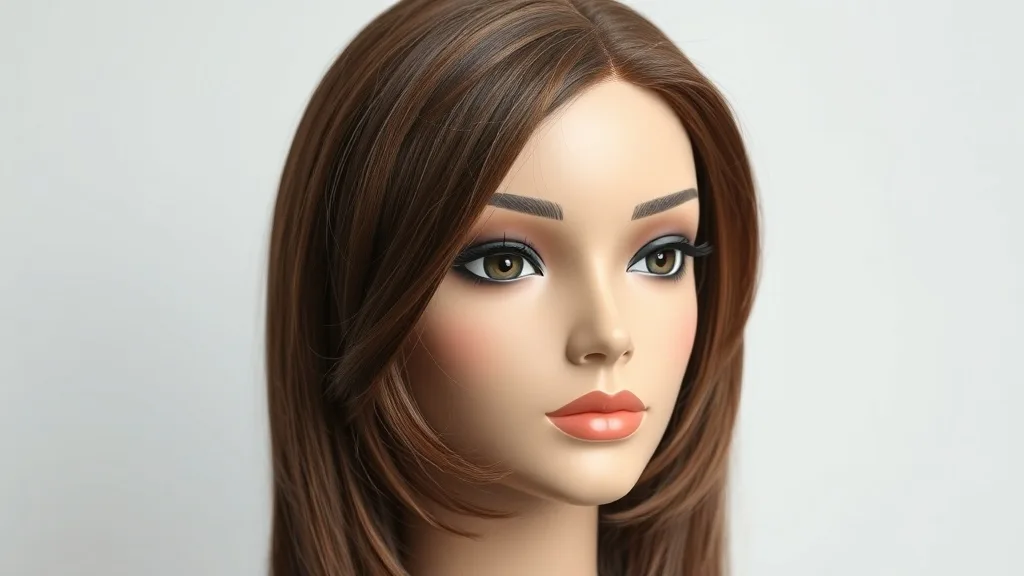
Wig customization is an art form. It's about expressing your identity, whether you're channeling your favorite celebrity or creating a look that's entirely your own. As a collector, I find joy in every pluck and trim. The truth is, a customized wig doesn't just look better—it feels like it belongs to you. So grab your tools, fire up a tutorial, and start transforming. Your perfect wig is waiting.