
Introduction
Every woman deserves to feel like a queen. For those of us experiencing thinning hair, a wig is more than an accessory—it's a crown. But let's be honest: the process of selecting the right color can be daunting. Myths about color matching abound, leaving many feeling confused and frustrated. I'm here to set the record straight, empower you with knowledge, and help you find a shade that makes you feel absolutely regal.
Myth #1: Your Wig Must Match Your Bio Hair Exactly
One of the most persistent myths is that your wig color must be an exact replica of your natural hair. In reality, an exact match is not only unnecessary but often unflattering. Your bio hair may have faded, been highlighted, or changed over time. Instead of aiming for perfection, look for a shade that complements your skin tone and personal style. Many wig wearers find that a color slightly darker or lighter than their natural hue looks more natural and vibrant.
Myth #2: Skin Tone Determines Everything
While skin tone is certainly a factor, it should not be the sole dictator of your wig color. Your eye color, your wardrobe, and even your mood play vital roles. For example, a warm skin tone might traditionally pair with golden blonde, but if you love the contrast of a cool ash brown, go for it! The most important thing is that you feel confident. As a queen, you get to choose your palette.
Myth #3: One Shade Fits All for Gray Coverage
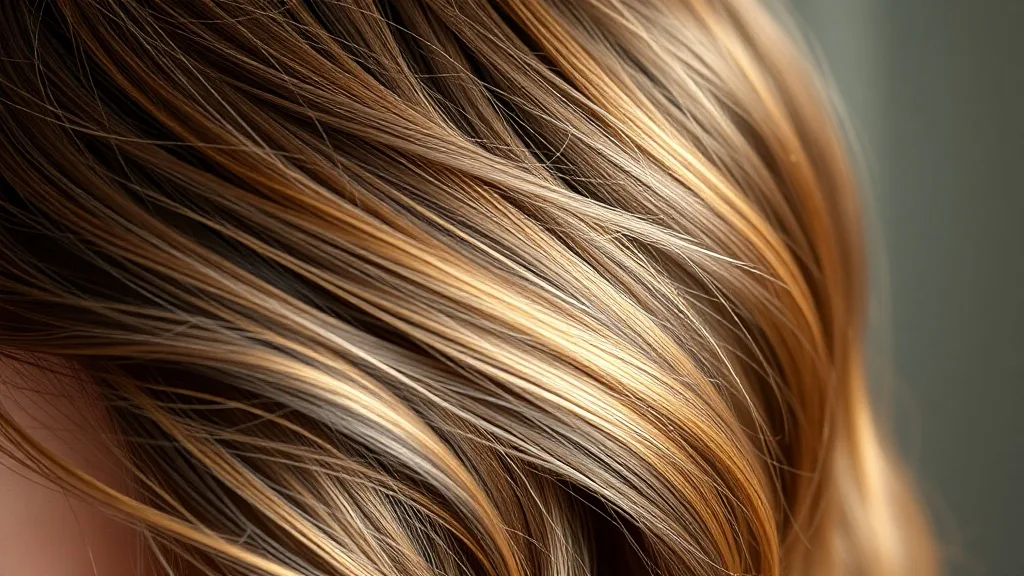
Many assume that covering gray hair means choosing a single solid color. But gray hair has beautiful variations—from salt-and-pepper to silver streaks. The truth is that blending with lowlights and subtle highlights creates a more natural and youthful look. For women with thinning hair, multi-tonal wigs add depth and illusion of volume. Don't be afraid to embrace the gray; just do it with dimension.
The Power of Highlights and Lowlights
Adding dimension to your wig color is like adding jewels to a crown. Highlights and lowlights mimic the natural variation of healthy hair, making your wig look more realistic. For those with thinning hair, strategic highlights can create the appearance of thicker, fuller strands. Consult with a stylist who understands how to place these tones to flatter your face shape and features.
How to Test Wig Colors Without Commitment
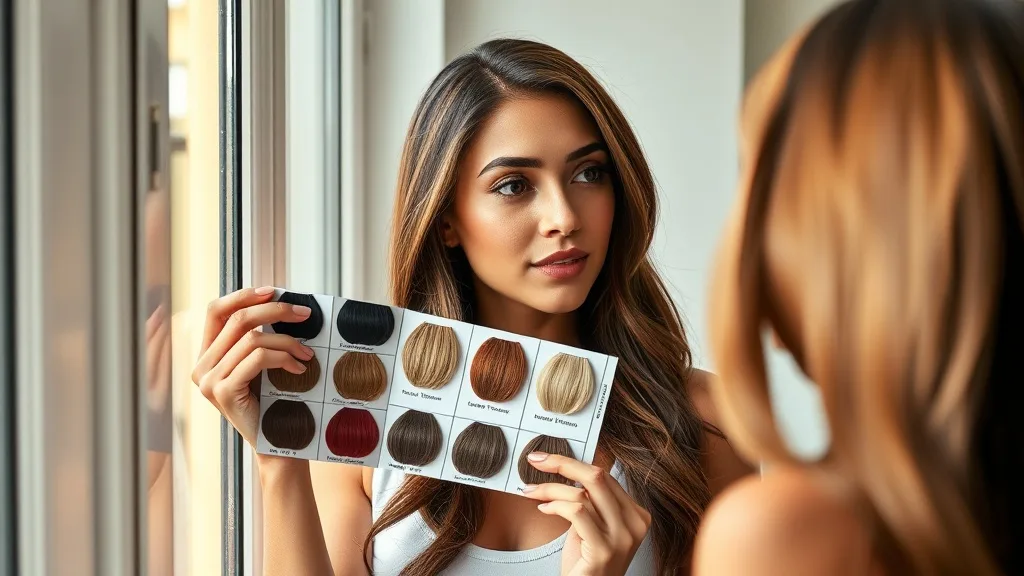
Worried about choosing the wrong color? There are easy ways to test before you buy. Order color rings or swatches from Wigplace—they allow you to hold the fiber against your skin. Use online virtual try-on tools that let you upload a photo. Or, even better, visit a showroom where experts can guide you. I always say: test your top three shades in natural light, and don't settle until you feel that sparkle of confidence.
Empowering Your Choice
At the end of the day, your wig color is a reflection of your unique majesty. Forget the rules that say you must look a certain way. Bold reds, soft pastels, classic brunettes—every shade is an invitation to express yourself. My mission is to make every woman feel like a queen, and that starts with embracing your authentic beauty. So go ahead, try that color you've been dreaming of. Your crown awaits.