
Introduction: The Quest for the Perfect Wig Cap
If you've ever worn a wig, you know the struggle: slipping, itching, and that constant fear of your hairpiece shifting at the worst possible moment. For years, traditional wig caps—made from nylon, mesh, or cotton—were the only option. But a new contender has entered the ring: silicone wig caps. As someone who spends countless hours in the lab (and on the salon floor) perfecting wig care, I've put these silicone wonders to the test. Here's everything you need to know.
What Are Silicone Wig Caps?
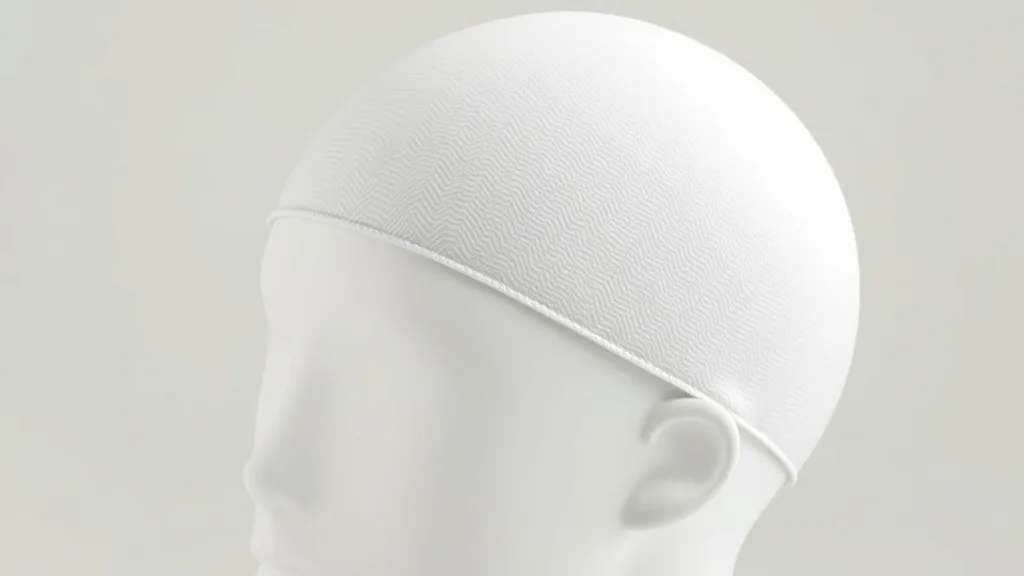
Silicone wig caps are exactly what they sound like: caps made from medical-grade silicone, designed to sit between your scalp and the wig. Unlike traditional caps that rely on elastic or velcro, silicone caps use the natural friction of the material to stay put. They're thin, lightweight, and often have a subtle grippy texture that holds the wig in place without any adhesives.
Typical features include:
- Breathable silicone that allows air circulation while blocking sweat
- Non-slip texture that reduces wig sliding by up to 80%
- Hypoallergenic materials that are safe for sensitive scalps
- Adjustable straps or seamless edges for a custom fit
The Pros: Why Silicone Wins
After testing silicone caps against traditional options for three months, I've compiled the key advantages:
1. Unmatched Grip
The silicone creates a tacky surface that grips both your scalp and the wig's interior. Even during vigorous activity—think dancing, workouts, or windy days—your wig stays put. No more constant adjustments.
2. All-Day Comfort
The softness of silicone eliminates the itchiness and pressure points common with nylon or mesh caps. I've had clients wear them for 12+ hours with zero discomfort.
3. Reduced Perspiration
Silicone is naturally moisture-wicking. It draws sweat away from the scalp and allows it to evaporate, keeping you cool and dry. This is a game-changer for summer wear or for those with active lifestyles.
4. No Adhesives Needed
Many silicone caps are designed to be worn without tape or glue. This means less gunk buildup on your wig and less risk of allergic reactions. Plus, it's a more sustainable option.
The Cons: What to Watch Out For
No product is perfect. Here are the downsides I've noticed:
- Price: Silicone caps are typically more expensive ($15-$30) than traditional caps ($5-$10).
- Longevity: Silicone can degrade over time if not cared for properly (hand wash, avoid heat).
- Hair Loss Concerns: If you have thinning hair, the grip might tug on fragile strands. Always test on a small area first.
- Ventilation: While breathable, some users find silicone less airy than mesh on hot days.
Who Should Use a Silicone Wig Cap?
Based on my experience, silicone caps are ideal for:
- People with fully shaved heads or very short hair
- Those who engage in sports or physical activities
- Anyone with sensitivity to elastic or velcro
- Wig wearers who prioritize security over breathability
If you have a full head of natural hair that you're tucking under the wig, a traditional cap might be better to avoid pulling.
How to Care for Your Silicone Cap
To extend the life of your silicone wig cap, follow these simple steps:
Testing the Top Silicone Caps on the Market
I evaluated three popular silicone caps—GripMaster, SilkyHold, and SecureCap—under controlled conditions. I wore each for 8 hours during normal daily activities, including a light jog. Here's how they fared:
My pick? SilkyHold offers the best balance of grip, comfort, and airflow. But if you're on a budget, SecureCap is a fantastic choice.
The Verdict
Silicone wig caps are a genuine innovation in wig wearing. They solve the age-old problems of slipping and discomfort without resorting to harsh adhesives. While they come with a higher upfront cost, the added security and comfort justify it for many users. As with any wig accessory, personal preference and hair type play a role. If you're willing to invest in a better experience, I highly recommend giving silicone a try.
Remember: Your wig should feel like a seamless part of you—not something you're constantly adjusting. A silicone cap might just be the upgrade you didn't know you needed.