
If you've been shopping for wigs, you've likely come across the term 'monofilament.' It's one of those buzzwords that sounds technical and maybe a little intimidating. But I'm here to demystify it for you. As someone who makes organic wig care products and has worked with wigs for years, I've seen firsthand how a good monofilament wig can transform not just your look, but your confidence. Let's get to the truth about monofilament wigs.
What Exactly Is a Monofilament Wig?
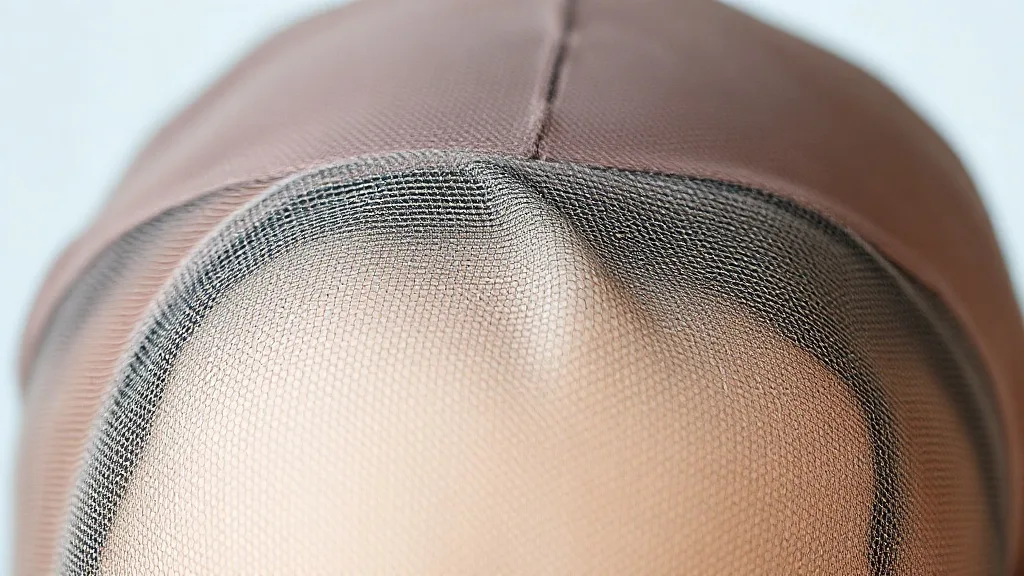
A monofilament wig is constructed with a fine, sheer mesh material at the top, or cap, of the wig. Each hair strand is individually hand-tied to this mesh, creating the illusion that hair is growing directly from your scalp. This is different from wefted wigs, where hair is sewn in rows. The monofilament material is usually a thin, breathable fabric that mimics the look of a natural scalp. The result? A wig that moves naturally, allows for multi-directional parting, and looks incredibly realistic.
Because the hairs are hand-tied, monofilament wigs are lighter and more comfortable than many other types. They also tend to have a more breathable cap, which is a blessing for those with sensitive scalps or who live in warmer climates. I often recommend them to clients who want a natural look without the bulk.
Who Should Consider a Monofilament Wig?
In my experience, monofilament wigs are ideal for anyone dealing with hair loss due to medical conditions like alopecia, chemotherapy, or thinning hair. The scalp-like appearance gives a realistic hairline and part. They're also great for people who want versatility in styling—you can part the hair anywhere on the cap and it will still look natural. However, if you're primarily looking for a fashion wig to change up your style occasionally, a less expensive wefted wig might suffice.
The Truth About Cost and Durability
Let's address the elephant in the room: monofilament wigs are more expensive. The hand-tying process is labor-intensive, and the materials are higher quality. You can expect to pay anywhere from $200 to over $1,000 for a good monofilament wig. But consider this: a well-cared-for monofilament wig can last a year or more with daily wear, whereas cheaper wigs may need replacing every few months. In the long run, investing in a monofilament wig can save you money and frustration.
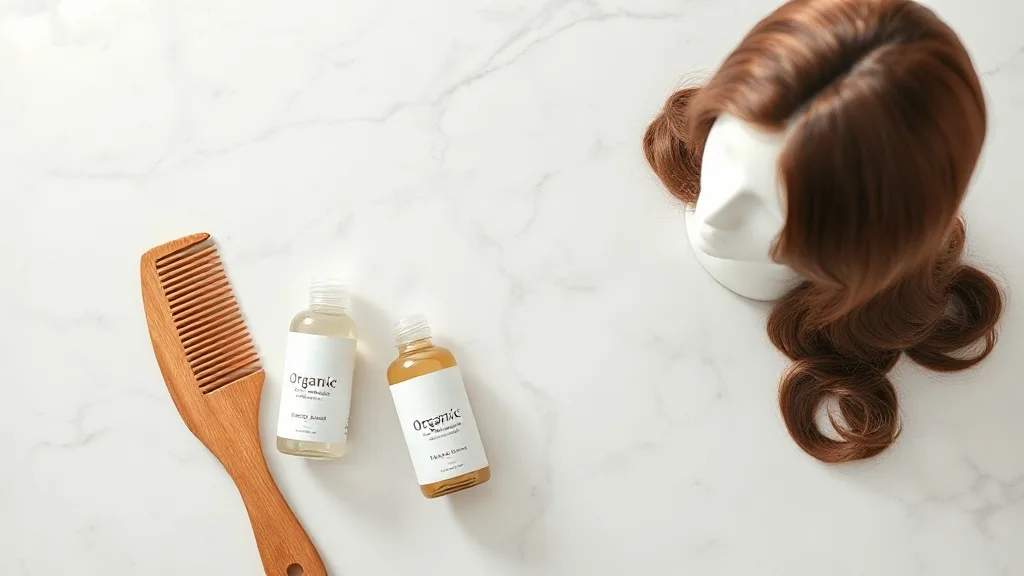
Caring for your monofilament wig properly is key to extending its lifespan. That's where my organic line comes in. Harsh chemicals found in many wig shampoos can break down the delicate mesh and dry out the hair. I recommend gentle, sulfate-free, organic cleansers and conditioners to keep the fibers soft and the cap intact.
How to Care for Your Monofilament Wig
- Use a wide-tooth comb or your fingers to detangle gently, starting from the ends.
- Wash your wig every 6-8 wears or when product buildup is visible.
- Use lukewarm water and a small amount of gentle wig shampoo.
- Avoid rubbing or twisting the cap—gently squeeze out excess water.
- Let the wig air dry on a wig stand to maintain its shape.
- Store your wig on a mannequin head or in a silk bag when not in use.
Monofilament vs. Lace Front vs. Full Lace
You may also encounter lace front wigs, which have a sheer lace panel at the front. Both offer a natural hairline, but monofilament gives a more realistic top and allows parting anywhere. Full lace wigs are even more flexible but are also more expensive and delicate. For most people, a monofilament wig strikes the perfect balance between cost, durability, and realism.
I always tell my clients: choose a wig that fits your lifestyle and budget. If you want something you can sleep in and still look great the next day, monofilament is a fantastic choice. Just be prepared to give it a little extra TLC.
In conclusion, monofilament wigs offer unmatched realism and comfort. They are an investment in your confidence and comfort. With the right care—using natural, gentle products—you can enjoy your wig for many months. And remember, I'm always here to help you choose the best products for your hair needs.