Understanding Curl Patterns and Fiber Types
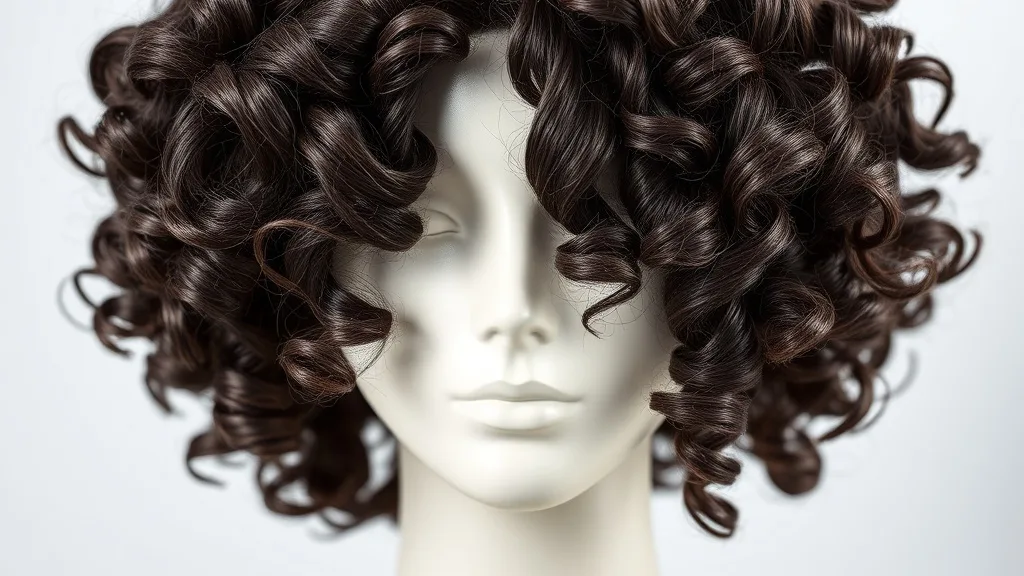
Before diving into wig selection, it's essential to understand the curl classification system. The Andre Walker system categorizes curls from 2A (loose waves) to 4C (tight zigzag coils). Human hair wigs offer the most versatility in curl manipulation, but they are expensive and require significant maintenance. Synthetic fibers, on the other hand, are engineered to hold specific curl patterns permanently. Modern synthetics use high-heat-resistant polymers that can be restyled, but the original curl is locked in during manufacturing. For curly wigs, the fiber's 'curl memory'—its ability to return to shape after stretching—is critical. Modacrylic and PVC blends excel in this area, while polyester tends to droop.
The Role of Polymer Composition in Synthetic Curly Wigs
Synthetic wig fibers are essentially plastic filaments extruded with a specific cross-section (e.g., trilobal for shine) and then crimped or curled using heat setting. The most common polymers for curly wigs are modacrylic, polyvinyl chloride (PVC), and polyethylene terephthalate (PET). Modacrylic is flame-retardant and has a natural feel but can be frizzy. PVC is more heat-resistant and holds curls longer but can be shiny. PET mimics human hair's luster. Blends like modacrylic/PVC (70/30) offer balanced memory and texture. Temperature resistance matters: if you plan to use hot tools, ensure the wig is labeled 'heat-friendly' up to 350°F (177°C). Chemical curling of fibers involves dipping in solvents and curing—this affects the curl's tightness and longevity.
Cap Construction for Volume and Root Definition
The cap's architecture determines how the curls sit on your head. For volume, look for a hand-tied cap where each hair is individually knotted (monofilament or lace). This allows hair to move naturally and be parted anywhere. For root definition—the appearance of hair growing from the scalp—ventilation techniques play a key role. Single-knot ventilation creates a more realistic scalp effect but takes longer to produce. Lace front caps (Swiss lace or French lace) give a natural hairline. Stretch lace panels at the nape ensure a secure fit. Avoid basic wefted caps if you want volume: wefts create flat areas. Instead, opt for a 360° lace or full lace cap for maximum versatility. Also consider cap size; small wig caps can constrict circulation and flatten curls.
- Lace front with invisible perimeter (Swiss lace is thinnest)
- Hand-tied or monofilament top for natural movement
- Adjustable straps and combs for security
- Breathable materials like cotton lining or open wefting
Matching Your Natural Curl Pattern
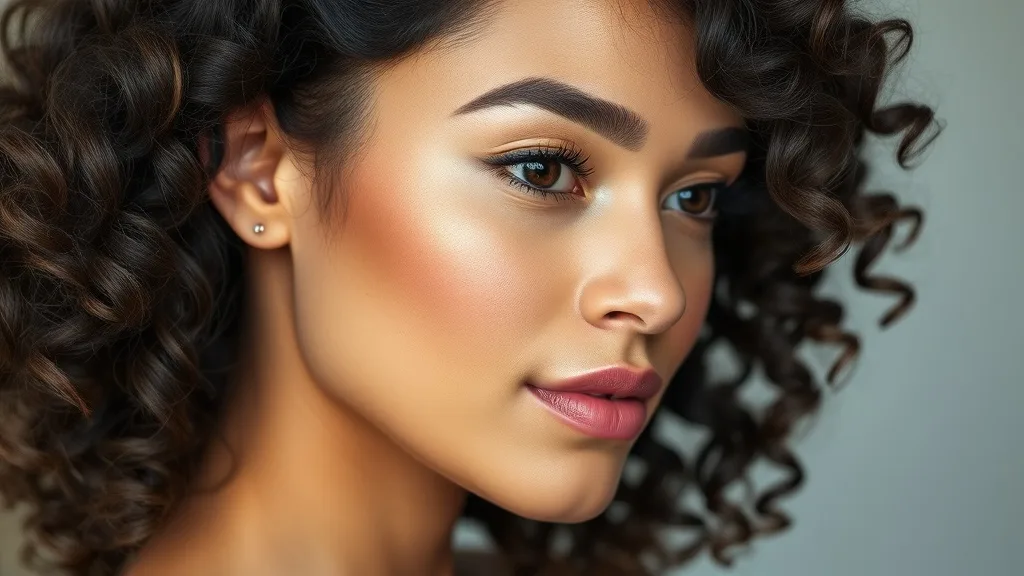
The biggest mistake consumers make is choosing a wig with a curl pattern drastically different from their own. If you have 3B curls, a 4C wig will look bulky and require excessive styling. Measure your curl diameter: loose curls (~1 inch), medium curls (~0.5 inch), tight coils (~0.25 inch). Also consider hair density—the number of fibers per square inch. High density (150%+ ) gives volume but can be heavy. For curly wigs, medium density (120%) is often most natural because curls add visual bulk. Texture: finer fibers (0.05 mm) blend better with natural hair, while coarser fibers (0.08 mm) hold curls longer. When ordering online, request a texture card or swatch to evaluate curl pattern and feel. Remember: human hair wigs can be restyled to match your curl, but synthetic wigs cannot—so choose wisely.
Conclusion: The Perfect Curly Wig Is a Balance of Science and Style
Selecting a curly wig doesn't have to be guesswork. By understanding polymer properties, cap construction, and your own curl metrics, you can make an informed choice. Whether you prefer the low-maintenance consistency of synthetic curls or the customizable nature of human hair, the key is aligning the wig's technical specifications with your personal needs. Next time you shop, think about tensile strength, curl memory, and ventilation density—not just color—and you'll walk out with a wig that curls beautifully and scientifically.