

The Fashion Revolution of Wigs
For decades, wigs have carried a stigma. Many people assume wigs are only for those experiencing hair loss due to medical conditions, chemotherapy, or genetics. But the truth is, wigs have been a staple of fashion and self-expression for centuries. From the elaborate powdered wigs of the 18th century to the colorful, synthetic styles of today, wigs are a versatile tool for anyone looking to change their look instantly.
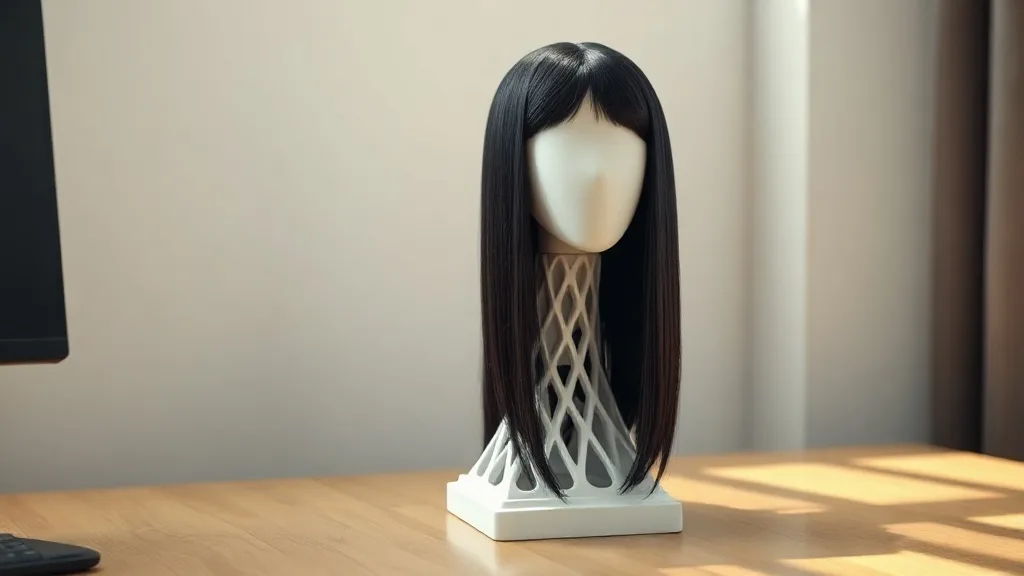
As a 3D printing enthusiast and wig salesman, I've seen firsthand how wigs can empower people. Whether you're a cosplayer, a busy professional, or someone who simply loves experimenting with different hairstyles, wigs offer endless possibilities. And with modern innovations like 3D-printed wig stands that perfectly cradle your custom pieces, maintaining your wig collection has never been easier.
History: Wigs as Status and Style
Wigs have been around for thousands of years. Ancient Egyptians shaved their heads and wore wigs to protect against sun and lice, while also signaling social status. In the 17th and 18th centuries, European aristocracy donned elaborate wigs as a symbol of wealth and power. Even today, judges and barristers in some countries wear wigs as part of their formal attire. The point is, wigs have never been solely about hair loss—they're about identity.
Wigs for Self-Expression and Experimentation
One of the greatest advantages of wigs is the ability to change your appearance without committing to a permanent cut or color. Want to try bubblegum pink hair for a weekend? Go for it. Need a sleek bob for a job interview but usually wear long waves? Slip on a wig. Wigs allow you to express different facets of your personality, from bold and edgy to classic and sophisticated.
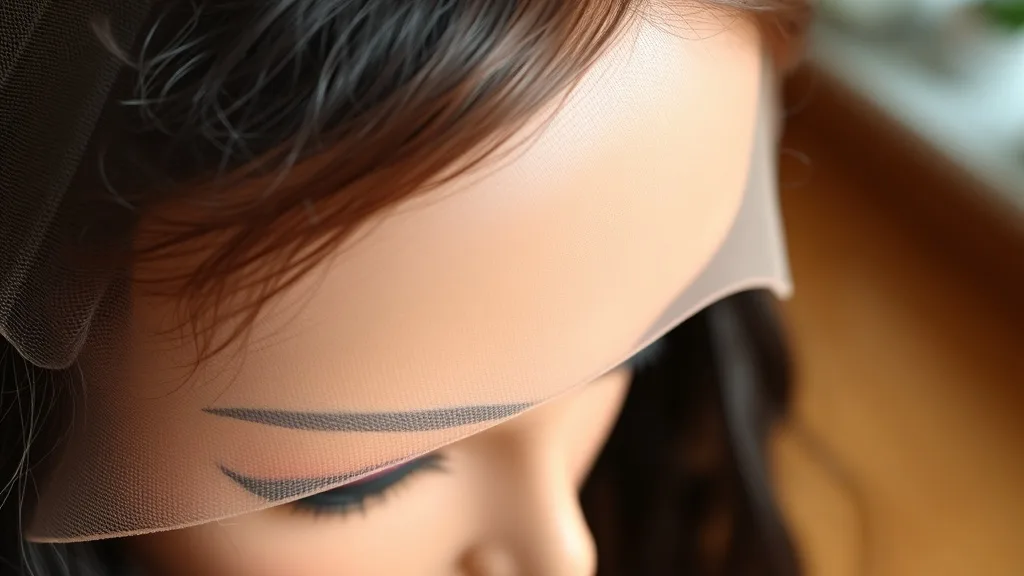
Moreover, wigs protect your natural hair from heat styling and chemical damage. Celebrity stylists often use wigs on set to prevent actresses from over-processing their own hair. With a high-quality lace front or human hair wig, no one will know it's not your own—giving you the freedom to experiment without consequences.
Convenience and Cost-Effectiveness
Let's face it: daily hair styling takes time. For those with busy mornings, a wig can be a lifesaver. Simply put it on, adjust the fit, and you're ready to go. This is especially appealing for travelers, parents, and professionals. Plus, investing in a few high-quality wigs can be more cost-effective than frequent salon visits for cuts, colors, and treatments. With proper care, a good wig can last for months or even years.
And here's where my niche interest comes in: 3D-printed wig stands. I design custom stands that fit the exact shape of a client's wig cap, preventing stretching and deformation during storage. These stands are lightweight, durable, and can be personalized with logos or patterns. It's a small innovation that makes wig maintenance a breeze—and a testament to how wigs have become a lifestyle, not a medical necessity.
Celebrities and Influencers Leading the Way
From Lady Gaga's ever-changing locks to Kylie Jenner's colorful wigs, celebrities have normalized wigs as a fashion accessory. Even models and influencers with full, healthy hair often wear wigs to achieve certain looks for photoshoots or events. The wig industry has exploded, with synthetic and human hair options available at every price point. The stigma is fading, and wigs are now seen as a creative medium.
Conclusion: It's Time to Rethink Wigs
Wigs are not just for hair loss—they are for anyone who wants to explore style, save time, or protect their natural hair. Whether you're a tech geek like me who loves 3D-printed accessories, or a fashionista who wants to change hair colors weekly, there's a wig out there for you. So next time you see a wig, don't think of it as a medical device. Think of it as a tool for transformation.