

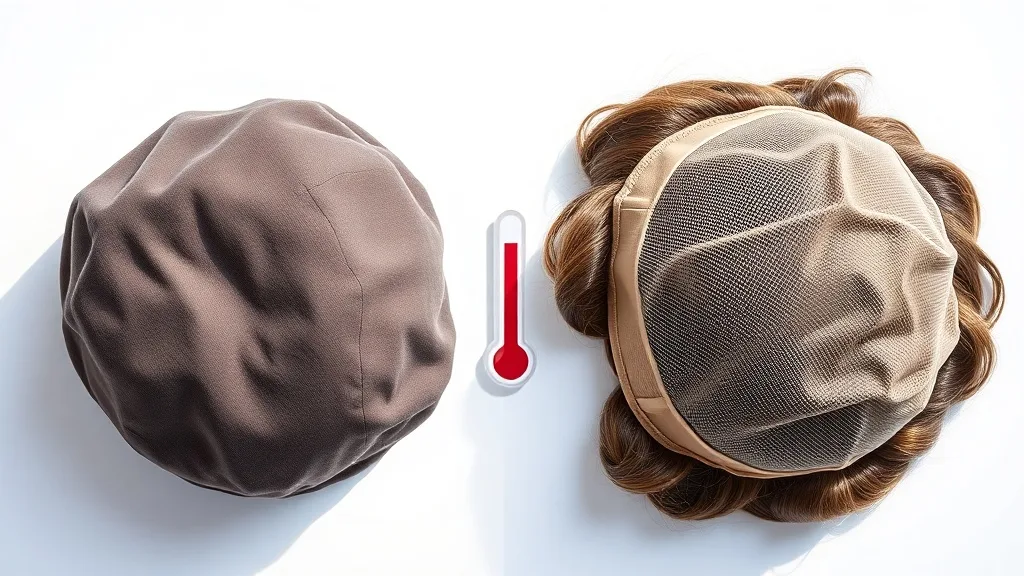

The Myth That Just Won't Quit
I'll never forget my first day at the office wearing a full lace wig. My coworker Janet walked by, fanning herself dramatically, and said, 'Oh honey, you must be so hot in that thing. Don't you just sweat like crazy?' That was five years ago. I've since worn dozens of wigs to work—from curly synthetic to straight human hair—and I can tell you with confidence: wigs are not always too warm. In fact, many are cooler than you'd think.
The 'hot wig' myth is one of the biggest misconceptions out there. It probably started back when wigs were heavy, ill-fitting, and made of non-breathable materials. But wig technology has come a long way. Today, whether you're looking for a synthetic wig or a human hair piece, comfort and breathability are top priorities for manufacturers.
Why Do People Think Wigs Are Hot?
First, let's look at where this myth comes from. Historically, wigs (think 18th-century powdered perukes or theater wigs) were heavy, tight, and made of coarse materials. They trapped heat and sweat, making the wearer miserable. Even today, some cheap, low-quality wigs can feel like wearing a winter hat in July. But the vast majority of modern wigs—especially those from reputable brands like Wigplace—are designed with the wearer's comfort in mind.
Another reason? People assume that any extra layer on your head will trap heat. But think about it: a lightweight, open-wefted cap can actually allow more air circulation than a thick head of natural hair. Ever had a bad hair day when your hair felt like a blanket? A wig can be less insulating than a thick mane.
The Science of Wig Breathability
Breathability comes down to three key factors: cap construction, materials, and how the wig fits. Let's break them down.
Cap Construction
Most modern wigs use one of these cap types:
- Monofilament cap: A fine mesh that mimics a natural scalp and allows air to flow through. It's like a cooling net on your head.
- Lace front/open weft: The front has a sheer lace that lets air in, and the wefts (rows of hair) are spaced to promote ventilation.
- Full lace cap: The entire cap is made of breathable lace. Essentially, your head is wrapped in a light, airy fabric.
- Hand-tied cap: Each hair is individually knotted to a soft, breathable base. Good airflow and a comfortable feel.
If you choose a wig with a full lace or hand-tied cap, you'll likely feel a breeze through your hair. Compare that to a cheap, closed-cap wig made of thick, non-porous material—and you'll understand why quality matters.
Materials Matter
Synthetic fibers today are much better than they used to be. Many are heat-friendly and made with 'cool touch' technology that wicks away moisture. Human hair wigs, of course, are natural and breathe like your own hair (because they are hair). The secret is the cap, not the hair itself.
Some wigs even incorporate mesh panels or ventilated wefts that actively allow heat to escape. For example, a monofilament crown with open wefting elsewhere can keep your scalp at a comfortable temperature even during a busy day at the office.
Fit and Breathability
A wig that's too tight will trap heat. A wig that's properly fitted can actually feel cooler because it sits slightly away from the scalp, allowing air to circulate. Many wigs have adjustable straps and combs to ensure a snug but not tight fit. And for those hot summer days, you can opt for a wig cap (a thin, breathable nylon shell) that adds a cooling layer between your scalp and the wig.
Real-World Test: Frank's Un-Sweaty Adventure
I decided to put my favorite wigs to the test. I wore a different wig each day for a week and recorded how my scalp felt. Here's a quick log (summarized, because nobody wants a minute-by-minute account of my scalp temperature):
- Monday: Short Lace Front Synthetic (Wigplace 'Breezy') – Felt like a light hat. No sweat after 8 hours.
- Tuesday: Long Human Hair Hand-tied – Actually cooler than my own hair because it was thin and light.
- Wednesday: Cheap Amazon wig (for science) – Toasty! But this confirmed it's about quality, not wigs in general.
- Thursday: Monofilament Curly Wig – Airy and comfortable, even after a brisk walk from the train.
- Friday: Full Lace Straight Wig – Barely noticed I was wearing it. Temperature-wise, it was like a gentle breeze.
My conclusion? The myth is perpetuated by cheap, outdated wigs. With the right cap and proper fit, a wig can be as cool as—or cooler than—your natural hair.
Tips for Keeping Your Cool in a Wig
If you're still worried about warmth, here are some practical tips:
- Choose light colors: Dark wigs absorb more heat. A champagne blonde or soft brown will reflect sunlight.
- Go for shorter styles: Less hair means less insulation. A bob or pixie cut is naturally cooler.
- Opt for a wig cap that wicks moisture: Some brands sell cooling caps made of bamboo or microfiber.
- Take breaks: If you wear a wig all day, give your scalp a breather when you get home.
- Use a dry shampoo for wigs: It absorbs oil and sweat, keeping the wig feeling fresher and cooler.
And remember, sweat is normal. Even people with biological hair sweat. A wig doesn't make you sweat more; it just changes where the sweat goes. But a well-ventilated wig will let that moisture evaporate quickly.
The Verdict
So, the next time someone tells you that wigs are always too warm, give them a knowing smile. You're armed with the facts: modern wigs can be cool, comfortable, and even temperature-regulating. Whether you're a first-time wearer or a seasoned pro like me, don't let the heat myth stop you from experimenting with different styles. I've worn wigs to summer barbecues, crowded subway cars, and even outdoor weddings. The secret is simply choosing the right wig for the occasion.
At Wigplace, we carry a wide range of breathable, lightweight wigs that are perfect for year-round wear. Check out our selection and find a wig that lets you stay cool while looking fabulous.