
Understanding Your Forehead Size
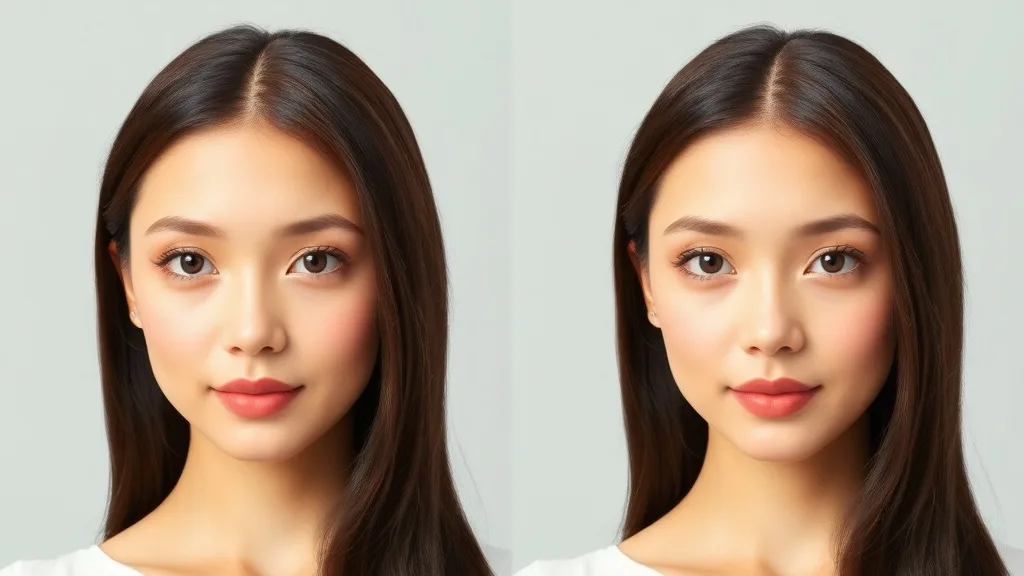
When it comes to wig selection, forehead size matters more than you might think. A small forehead – typically less than three finger widths from brow to hairline – requires special attention to avoid a wig that looks too high or overwhelms your face. The goal is to create a seamless, natural hairline that complements your proportions. Before shopping, measure your forehead height and note your natural hairline shape. This will guide your choices in cap construction, lace front design, and styling.
Key Wig Features for Small Foreheads
Not all wigs are created equal. For a small forehead, look for these features:
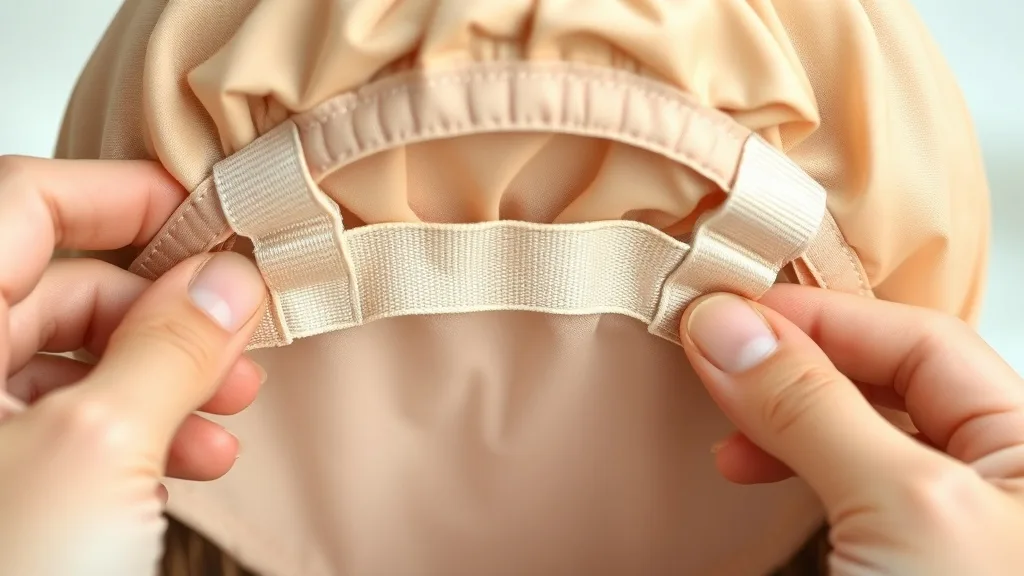
- Adjustable straps: Ensure you can tighten the cap to sit lower on your forehead.
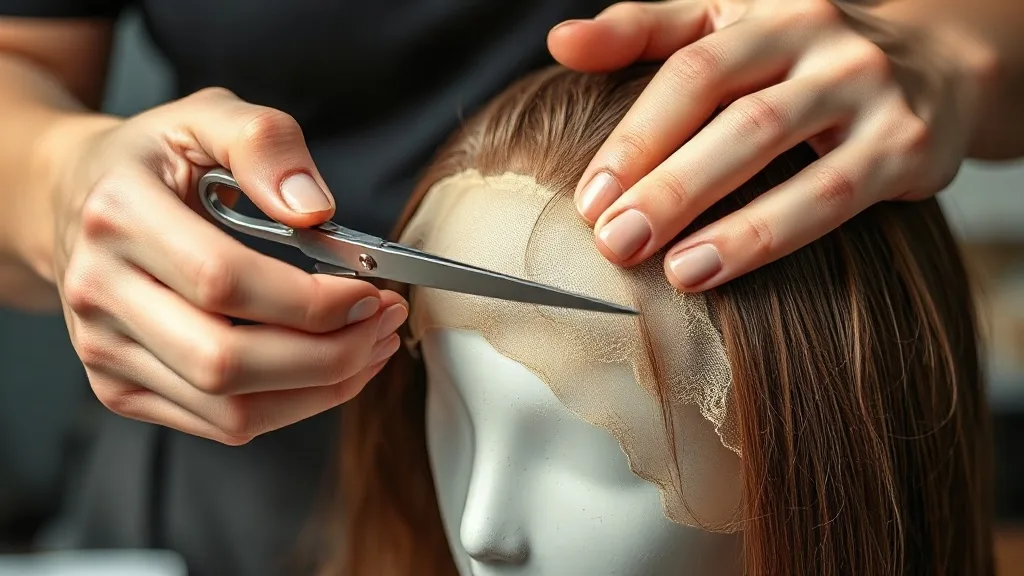
- Lace front: Allows you to place the hairline exactly where you want it, often lower than the wig's default.
- Monofilament top: Creates the illusion of natural scalp and can be parted to suit your forehead.
- Less volume at the crown: Excessive volume can make the forehead appear smaller by contrast.
Avoid wigs with very high hairlines or heavy bangs that cover the entire forehead, as these can look disproportionate. Instead, opt for a wig that allows customization of the hairline placement.
Lace Front vs. Monofilament
Both lace front and monofilament wigs offer benefits for small foreheads, but they work differently.
Lace front wigs have a sheer mesh panel along the hairline that mimics scalp. You can trim the lace to lower the hairline by up to half an inch, making it ideal for smaller foreheads. The individual strands are hand-tied, allowing for natural movement and parting. Monofilament wigs, on the other hand, have a thin mesh cap that gives the appearance of natural hair growth. While the hairline is typically fixed, some monofilament caps offer adjustable front tabs to shift the hairline down.
For the most versatility, choose a wig that combines both: a monofilament top with a lace front. This gives you the best of both worlds – realistic scalp simulation and adjustable hairline.
Choosing the Right Hairline
The hairline style can make or break a natural look. For small foreheads, a slightly irregular, wispy hairline looks more realistic than a straight, harsh line. Look for wigs with baby hairs or a gradual density increase from the hairline. If your wig has a lace front, you can pluck some hairs at the hairline to soften it. Also consider the part: a side part can visually lengthen a short forehead, while a center part may emphasize its smallness.
Styling Tricks to Minimize Forehead
Sometimes the right styling can compensate for a wig that's not perfectly fitted. Here are a few tricks:
- Add soft, side-swept bangs that graze the eyebrows – they shorten the forehead appearance and draw attention to the eyes.
- Create volume at the temples with backcombing or a small teased section – this balances the forehead.
- Use a headband or scarf worn low on the forehead to cover a slightly high hairline.
- Tint the lace front with foundation to match your scalp, making the hairline disappear.
Remember, the goal is to enhance your natural features, not hide them. Small foreheads can be elegant and youthful; the right wig will celebrate that.
Tips for Adjusting Your Wig
If you already have a wig that's a bit too high on the forehead, don't despair. You can often modify it:
- Tighten the nape straps to pull the cap forward. Most caps have adjustable tabs at the back – use them to bring the hairline down.
- Re-sew the lace front: Carefully remove the lace and reattach it slightly lower. This is a more advanced alteration, but many wig stylists can do it.
- Apply wig tape or glue along the front edge to secure it lower on your skin.
- Use a wig grip band that sits at the nape and pulls the whole cap down.
Always test adjustments in small increments. A wig that sits too low can cause discomfort or look unnatural.
Conclusion
Selecting a wig for a small forehead doesn't have to be a challenge. Focus on adjustable features like lace fronts and straps, choose wigs with natural hairlines, and use styling to your advantage. Remember, less is more – a minimalist approach to volume and hairline placement will give you the most flattering result. At Wigplace, we believe that every face shape deserves a perfect fit. Browse our collection with these tips in mind, and you'll find a wig that looks like it was made for you.