
Why Natural? The Philosophy Behind a Seamless Wig
As someone who wears a different wig every single day, I've become obsessed with the art of making each one look like it grew from my own scalp. Natural isn't just about avoiding plastic shine; it's about harmony with your face, your movements, and your life. Over hundreds of wigs, I've distilled my process into a few non-negotiable principles.
Cap Construction: The Foundation of Reality
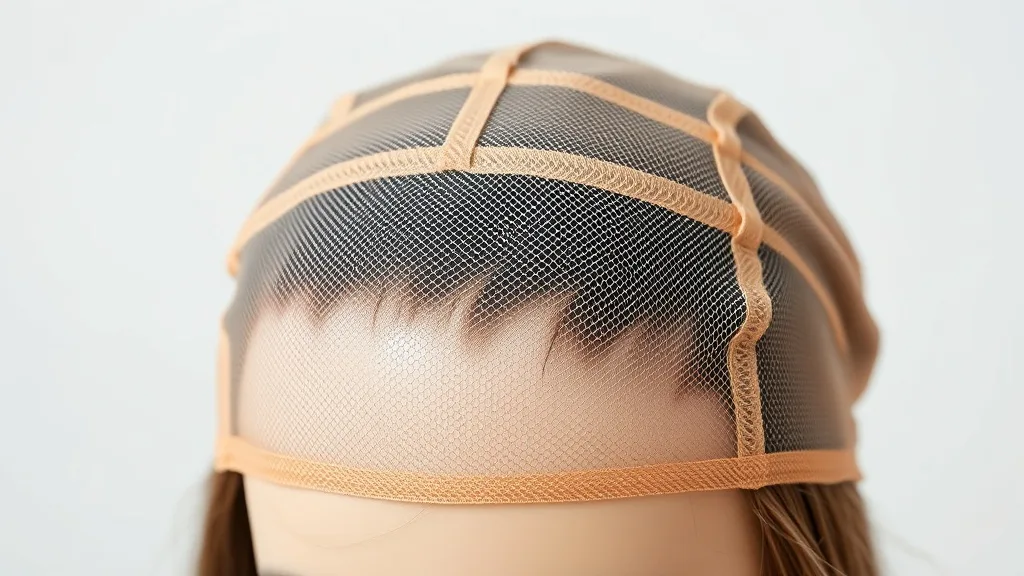
The secret to a natural wig starts underneath. Look for caps with a lace front, as they allow you to create a hairline that mimics real growth. Monofilament tops are also essential – they let the hair part in any direction, just like your natural hair would. I always opt for a cap that allows me to see the “scalp” color through the parting, avoiding that obvious doll-like seam.
- Lace front: necessary for a realistic hairline
- Monofilament top: creates a natural parting
- Adjustable straps: ensure a snug, comfortable fit
Hair Fiber: Human vs. Synthetic
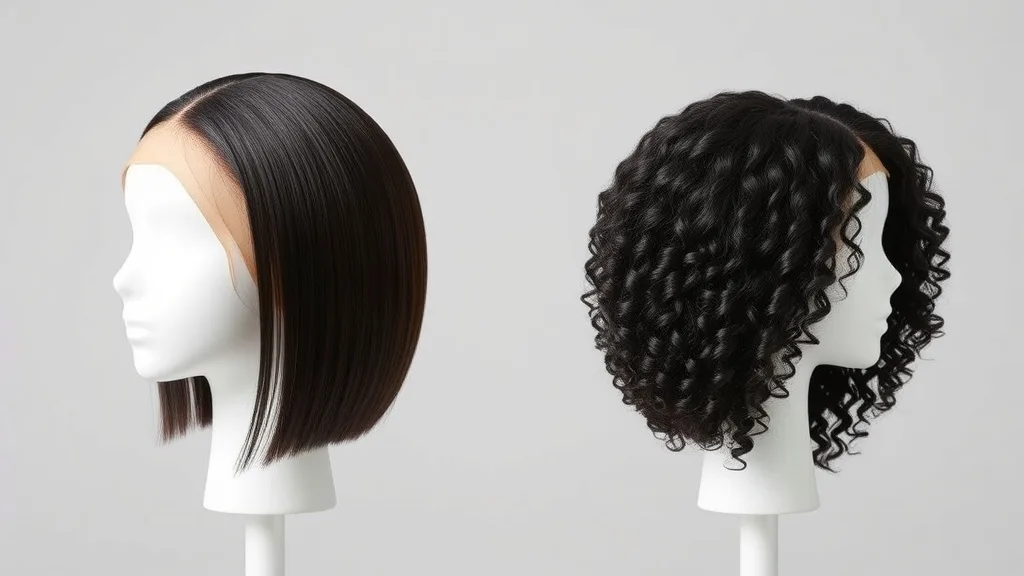
For the most natural look, human hair is unbeatable. It moves like yours, styles with heat, and even takes on a bit of your natural oil over time. But synthetic wigs have come a long way – many now have subtle highlights and a soft sheen that looks real from a few feet away. I keep both in my rotation: human hair for special events, synthetic for my everyday adventures.
Color and Highlights: The Devil in the Details
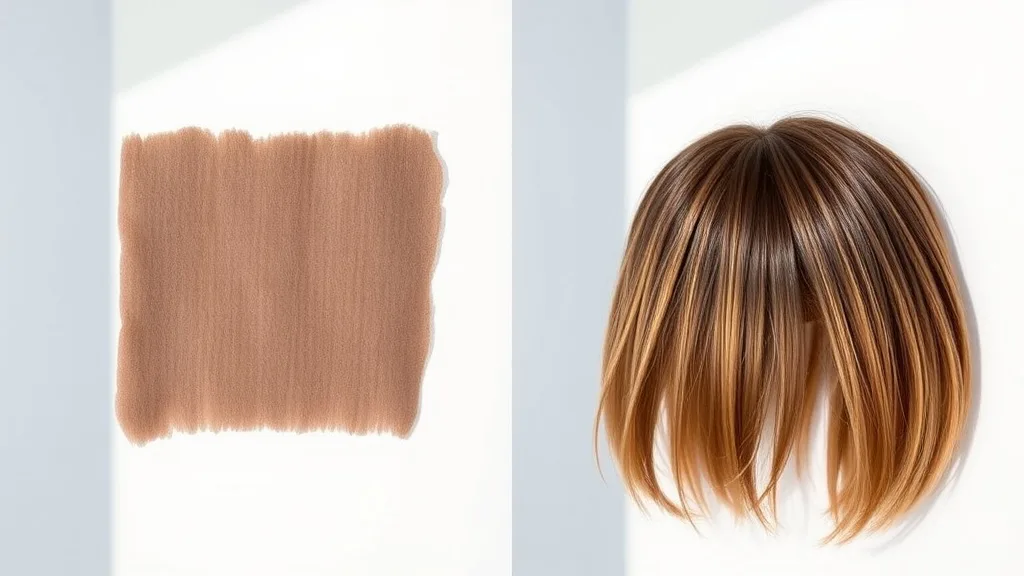
Nothing screams “wig” like flat, monochromatic color. Nature’s hair is never one shade – it’s packed with subtle highlights and lowlights that add depth. When choosing a wig, look for one with dimension: a root shadow, lighter ends, or a mix of tones that complement your skin's undertones. I always take a photo of myself in natural light to compare colors.
Density and Length: Less Is More
Many wigs come with heavy density – think 150% or more. That’s a dead giveaway. I look for wigs with light to medium density (100-130%) that mimic the natural thickness of human hair. Length matters too: a wig that’s too long can look costume-like unless it’s styled or layered. My rule: if you wouldn’t naturally have that length, the wig won’t look natural either.
Styling and Customization: Making It Your Own
No wig is perfect out of the box. I always pluck the hairline slightly, trim baby hairs, and sometimes add a little dry shampoo to dull any excess shine. For lace fronts, using a bit of foundation on the lace can help it blend with your skin. And never underestimate the power of a good hairspray – it holds the style without stiffness.
- Pluck the hairline to remove obvious rows
- Trim and layer for movement
- Use concealer or foundation on the lace
Final Thoughts: Your Diary of Wig Adventures
Choosing a wig is a journey, not a one-time decision. With each new wig I try, I learn a little more about what looks natural on my face. Start with the basics – good cap construction, human hair (or high-quality synthetic), and dimension in color – and then experiment. Remember, the most natural wig is the one that makes you feel like the best version of yourself.