Introduction
If you've ever admired a wig that looked completely natural at the hairline, you were likely looking at a lace front wig. The term 'lace front' refers to a transparent lace material at the front of the wig that allows for a seamless blend with the wearer's skin. But what exactly makes this possible? In this guide, we'll break down the anatomy, materials, and technology behind lace front wigs from a material science perspective.
What Is a Lace Front Wig?
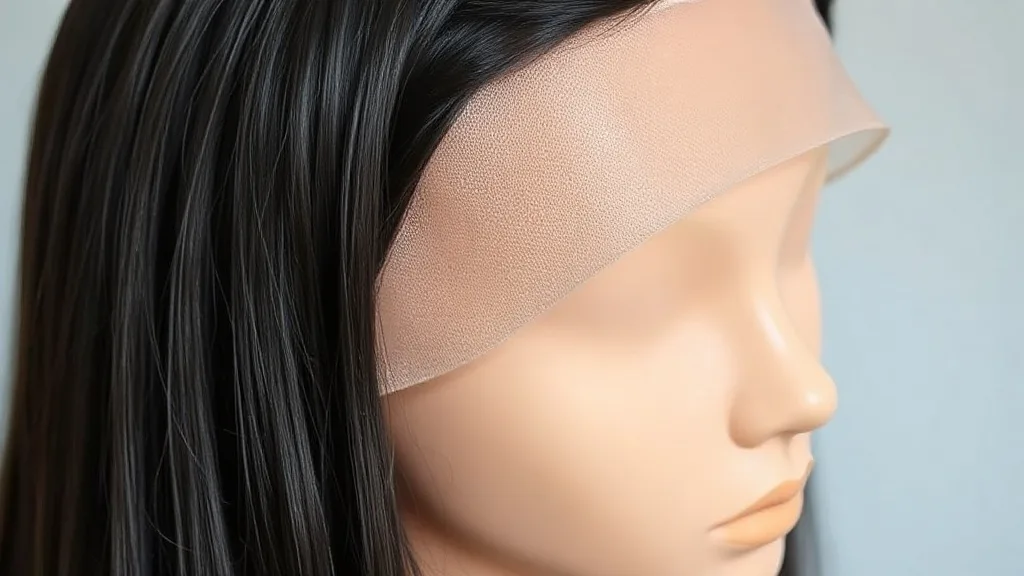
A lace front wig features a sheer lace panel that covers the hairline from ear to ear. Individual hairs are hand-tied to this lace, creating the illusion of hair growing directly from the scalp. The rest of the wig cap may be made of a different material, such as monofilament or standard wefts. The key innovation is the lace itself—a delicate, breathable mesh that mimics the appearance of bare skin when placed against the head.
The Science of Lace Materials
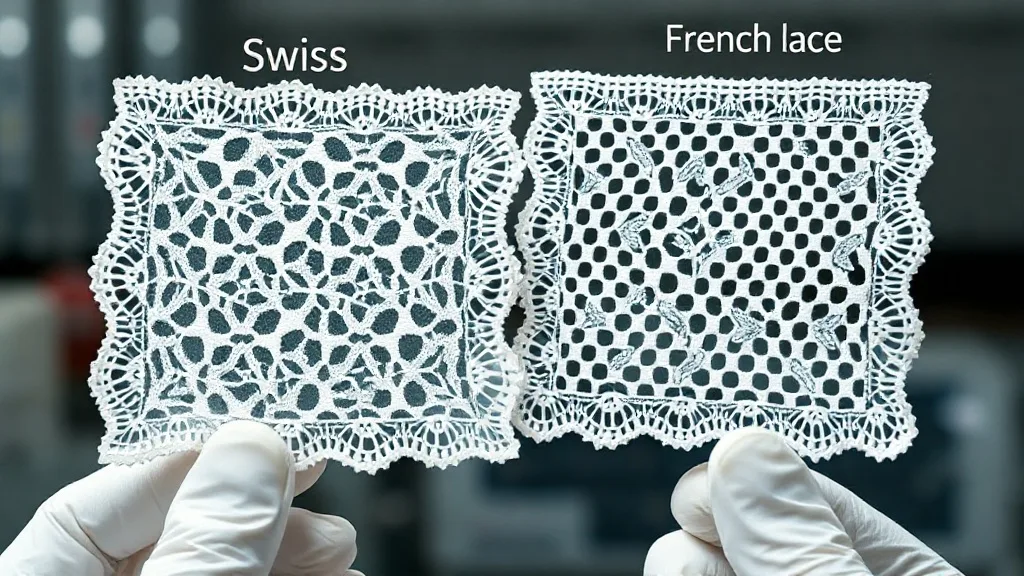
Lace used in wig construction is typically made from either Swiss lace or French lace. Swiss lace is finer, softer, and more transparent, making it ideal for achieving an invisible hairline. French lace is slightly more durable and visible, but still offers a natural look. Both are made from polyester or nylon threads woven into a hexagonal grid. The thread thickness, hole size, and weave density determine the lace's transparency and strength.
- Swiss lace: Thinnest (0.2mm), most transparent, delicate
- French lace: Slightly thicker (0.3mm), more durable, less transparent
- HD lace: Ultra-thin, nearly invisible, requires careful handling
How Lace Fronts Are Constructed
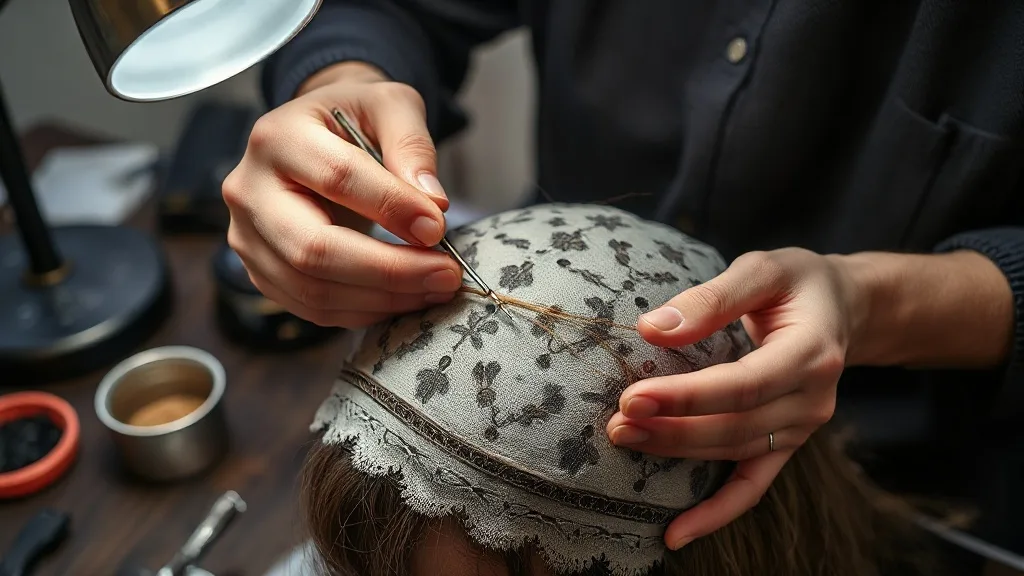
The construction of a lace front involves several steps. First, a cap is sewn to match the wearer's head measurements. A pre-cut lace piece is then attached along the front perimeter. Hair (human or synthetic) is ventilated into the lace using a small hook—each strand is knotted onto the lace grid. This hand-tied process takes hours and requires precision to ensure the knots are hidden beneath the lace holes. The result is a wig that allows for multiple parting directions and natural movement.
Application and Styling
Lace front wigs can be applied using adhesive or wig tape for a secure hold. The lace is trimmed to match the wearer's hairline, leaving a small amount to blend. Adhesives like glue or tape bond the lace to the skin, while concealer or foundation can be applied to the lace for extra realism. Styling options include pulling hair away from the face, creating a middle part, or even wearing the wig in a high ponytail—the lace allows the hairline to look natural from any angle.
Benefits and Drawbacks
- Benefits: Natural-looking hairline, versatile styling, breathable (less sweating), allows for off-the-face styles
- Drawbacks: Higher cost, requires maintenance (cleaning lace, replacing adhesive), delicate lace can tear, limited lifespan compared to non-lace wigs
Care and Maintenance Tips
To extend the life of a lace front wig, gentle care is essential. Wash the lace with sulfate-free shampoo and condition the hair regularly. Avoid harsh rubbing—pat the lace dry. Use a lace glue remover to dissolve adhesive without pulling. Store the wig on a mannequin head to maintain its shape. Replace the lace front if it becomes yellowed or frayed, typically after 3-6 months of regular wear.
Conclusion
Lace front wigs represent a pinnacle of wig technology, blending material science with craftsmanship. Understanding the lace types, construction process, and care requirements empowers you to make informed choices. Whether you're a wig newbie or a seasoned wearer, the lace front remains one of the most effective ways to achieve a truly natural look.