

The Label That Means Everything and Nothing
When I first started working with wigs, I assumed "100% human hair" was a gold standard—a guarantee of quality, durability, and natural beauty. But after years of analyzing hair samples under a microscope (old habits die hard), I've learned that this label is more like a handshake than a contract. It tells you what the hair is made of, but not how it was treated, where it came from, or how long it will last. Let's pull back the cuticle and see what's really inside.
The Basics: What "100% Human Hair" Actually Means
Legally, the phrase "100% human hair" means the product contains no synthetic fibers, animal hair, or other fillers. It's a straightforward declaration of material composition. But here's the kicker: it says nothing about whether the hair is virgin (never chemically processed) or colored, whether it's from a single donor or multiple sources, or whether the cuticle—the protective outer layer—is intact. In short, it's a true but often insufficient promise.
The Hidden Variables: Cuticle, Source, and Processing
As a former chemist, I crave specifics. The three biggest variables that determine real-world quality are:
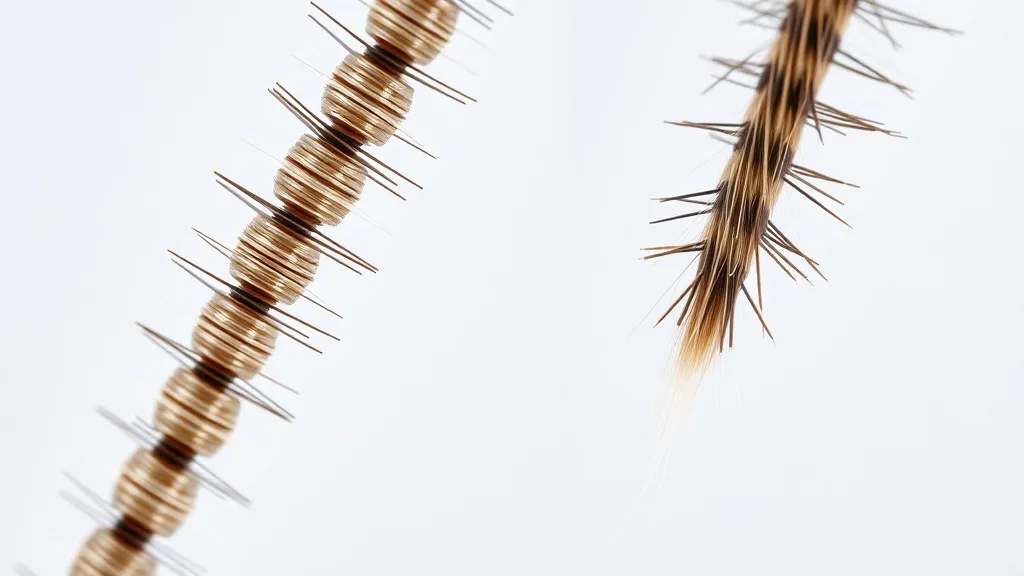
- Cuticle alignment: Hair with cuticles intact and aligned in the same direction (aka "Remy" hair) resists tangling and maintains its luster. Non-Remy hair has cuticles stripped or mismatched, leading to matting and a shorter lifespan.
- Source: European, Indian, Brazilian, and Chinese hair all have different natural diameters, textures, and durability. No single origin is inherently superior—it's about matching your needs to the hair's innate properties.
- Processing: Hair that's been bleached, dyed, or permed has undergone chemical trauma. Virgin, unprocessed hair is the strongest, but it also lacks color versatility. The term "100% human hair" covers both extremes.
So when you see that label, ask yourself: Is this Remy? Virgin? Single donor? The answers matter more than the raw material.
What the Label Doesn't Tell You
Beyond the cuticle and source, there's an entire universe of quality signals that the label ignores:
- Grading: Many vendors use an A–AAA system (or even A–AAAAA) to indicate quality, but there's no universal standard. One seller's AAA might be another's A+.
- Texture and shine: Human hair can be dull or glossy depending on processing and sealing treatments. A low-pH wash can restore some shine, but damaged cuticles can't be fully repaired.
- Lifespan: Well-sourced, minimally processed human hair wigs can last 1–3 years with proper care. Poorly processed hair may fray and thin within months.
The label won't tell you that the hair might have been chemically stripped to remove natural pigment before being dyed—a process that compromises strength. It won't tell you if the cuticles were sanded off to create a uniform look (spoiler: that destroys longevity). Knowledge is your best defense.
How to Shop Beyond the Label
You don't need a chemistry degree to spot quality. Here's my tried-and-true checklist:
- Check the cuticle direction: Run your fingers from tip to root. Smooth = cuticles aligned (good). Rough = cuticles misaligned (bad).
- Look at the ends: Split ends are a sign of heavy processing or poor handling.
- Beware of the shine: Excessive gloss often means silicone coatings, which wash out quickly and leave hair dull.
- Ask specific questions: "Is this Remy?" "What is the hair grade?" "Can you confirm it's single donor?" Reputable sellers will answer transparently.
And remember: a higher price often correlates with more careful sourcing and processing. But even budget-friendly finds can perform well if you know what to look for.
The True Guarantee Is Knowledge
"100% human hair" is a starting point, not a destination. It guarantees the material—but not the craft, the durability, or the beauty. The best guarantee you can get is the one you give yourself by becoming an informed shopper. So next time you see that label, smile and remember: you know exactly what questions to ask. And if the seller hesitates? Well, my meticulously calibrated wig instinct says walk away.
Here at Wigplace, we believe every wig deserves a proper pH-balanced wash—and a clear description. Happy wig hunting!