What Are Vegan Wigs?
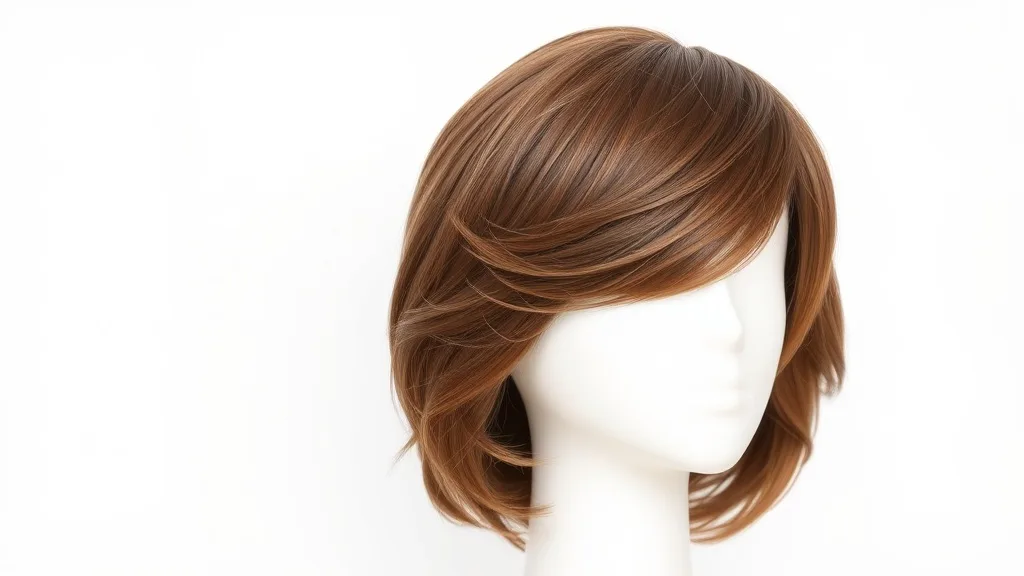
Vegan wigs are wigs made without any animal-derived materials. Traditional human hair wigs rely on donated hair, which often involves unethical practices or animal testing. Synthetic wigs, on the other hand, are created from high-tech fibers that are completely animal-free and cruelty-free. As a tech-loving wig specialist, I'm always excited to see how innovation makes vegan wigs better than ever.
The Science of Synthetic Fibers
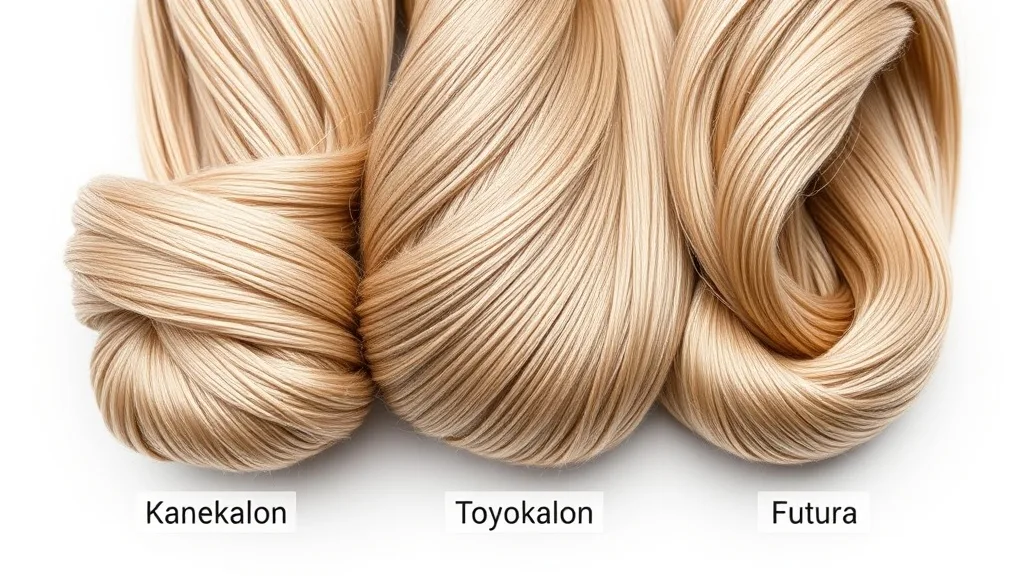
Modern synthetic wigs use advanced polymers like Kanekalon (a modacrylic fiber) and Toyokalon (a blend of polyester and modacrylic). These fibers are heat-friendly, meaning you can style them with low-heat tools. Some high-end synthetics even mimic the natural luster and movement of human hair. Let's break down the most common types:
- Kanekalon: Lightweight, flame-retardant, and tangle-resistant – perfect for everyday wear.
- Toyokalon: More shiny and silk-like, ideal for special occasions.
- Futura: A premium fiber that looks incredibly natural and holds styles well.
- Monofilament caps: Not a fiber but a construction technique that gives a realistic scalp appearance.
Synthetic vs. Human Hair: The Vegan Debate
Many people assume human hair wigs are always better, but synthetic wigs offer distinct advantages. They're pre-styled, so you don't need to spend hours curling or straightening. They also retain their shape after washing. And importantly, they don't involve any animal exploitation. Human hair wigs may require harsh chemicals or come from donors in vulnerable situations. With synthetic, you get a consistent, ethical product every time.
Caring for Your Vegan Wig
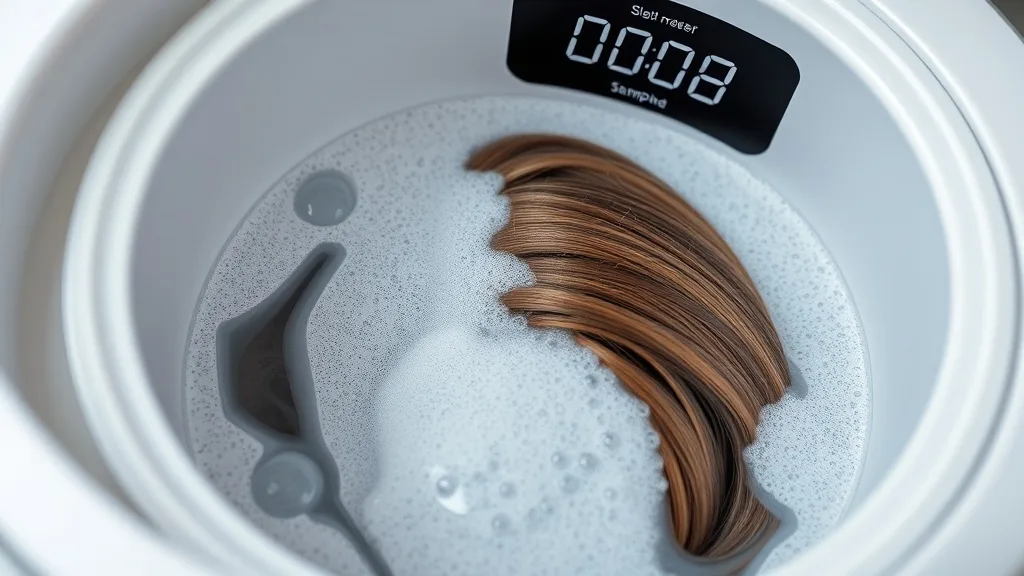
Synthetic wigs require special care to last longer. Here's where my tech expertise comes in: I recommend using an ultrasonic cleaner for deep cleaning. Ultrasonic waves gently remove dirt, oils, and product buildup without damaging the fibers. This high-tech method is far gentler than traditional washing. For daily care, use a wig brush with flexible bristles and store on a wig stand. Avoid high heat (above 300°F) unless your wig is labeled heat-friendly.
Styling Options and Longevity
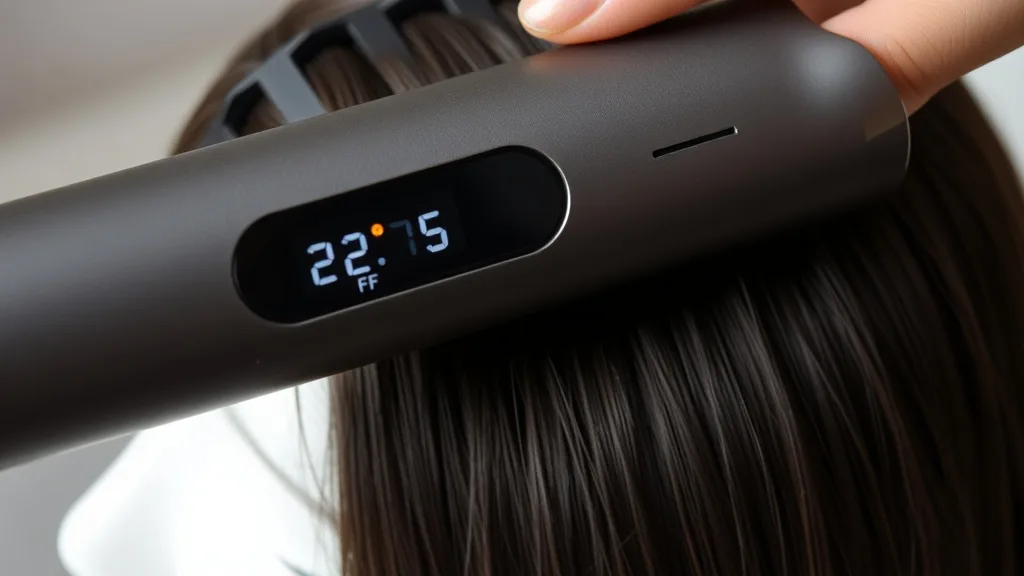
With heat-friendly synthetics, you can curl, straighten, or wave your wig using low heat. I've tested many brands, and the best ones can last 6-12 months with proper care. For vegan wigs, avoid alcohol-based styling products – opt for water-based or silicone-free formulas. If you're adventurous, try a lace front synthetic wig for a seamless hairline. And remember, even if you're not vegan, choosing synthetic reduces your carbon footprint.
Final Thoughts
Vegan wigs aren't just a compromise – they're a technological marvel. Whether you're passionate about animal rights, want low-maintenance hair, or love cutting-edge materials, synthetic wigs have something for you. At Wigplace, we carry a wide range of vegan-friendly options. Embrace the future of hair with confidence!