
Introduction: The Quest for Natural-Looking Hair
As a wig stylist for the theater, I’ve seen it all—wigs that survive scorching stage lights, wigs that move like real hair, and wigs that look obviously fake. When you’re performing under hot lights, the last thing you want is a wig that screams 'costume.' That’s why I always recommend human hair wigs for clients who need the most natural look and feel. Let me walk you through why human hair wins every time.
1. Texture and Shine: The Real Deal
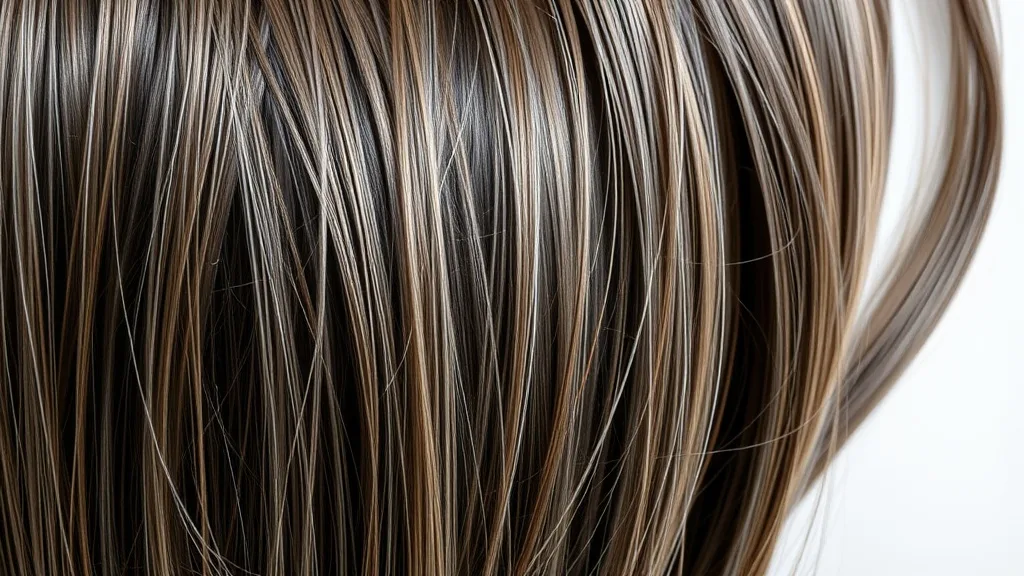
Synthetic fibers have an unnatural, plastic-like sheen that catches light in a flat way. Human hair, on the other hand, has subtle variations in color and luster that mimic biological hair. Each strand has a cuticle layer that reflects light naturally, creating depth and dimension. In theater, under bright spots, that difference is night and day.
- Human hair cuticles lie flat, reducing frizz and enhancing smoothness.
- Synthetic fibers are uniform, often leading to a 'wiggy' appearance.
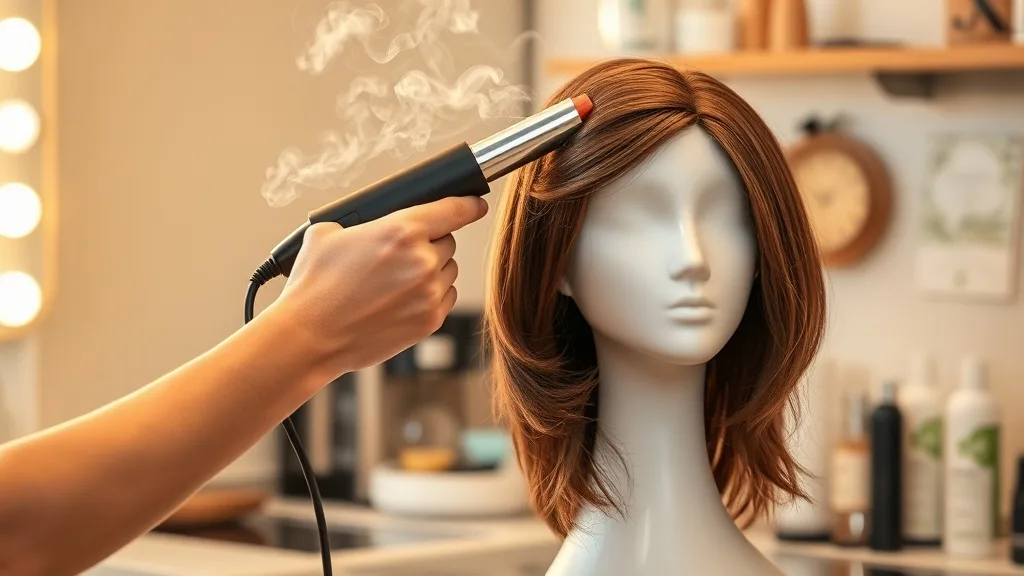
- Human hair can be styled with heat tools to match your client's natural texture.
2. Movement and Flow: Not Stiff, But Lively
Ever seen a synthetic wig that bounces like a stiff brush? That's because synthetic fibers have a memory—they spring back to their original shape even after styling. Human hair, however, moves with gravity and body motion. It sways, falls, and flips just like the hair you were born with. For actors who need to toss their hair or run their fingers through it, human hair is essential.
- Human hair responds to wind, head movement, and touch naturally.
- Synthetic wigs often remain in place, looking static.
- Heat styling allows you to add waves or curls that move organically.
3. Styling Versatility: Endless Possibilities
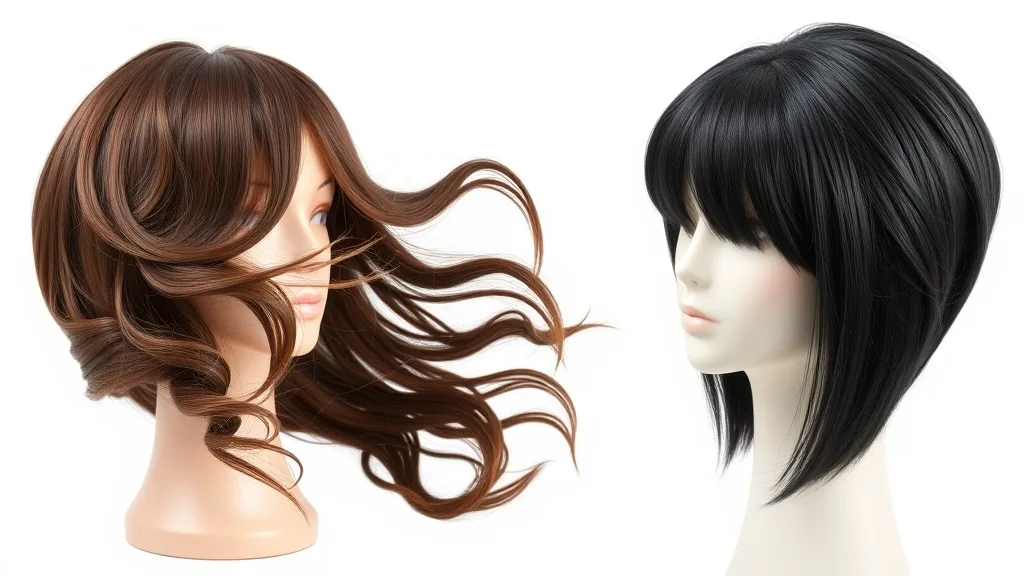
One of the biggest advantages of human hair wigs is that you can style them any way you like. Need a sleek updo for a period drama? Use hot tools and product. Want beachy waves for a modern production? A curling iron and some sea salt spray will do the trick. Synthetic wigs can't handle high heat, so you're limited to pre-set styles that may not fit the role.
- Human hair can be cut, colored, and permed just like natural hair.
- Synthetic wigs must be replaced if you need a different style.
- Human hair holds styles longer, saving time during quick changes.
4. Durability Under Pressure (Literally)
Theater wigs go through hell—sweat, heat, repeated styling, and rough handling. Human hair withstands this abuse far better than synthetic fibers, which can melt, frizz, or lose shape. I’ve had human hair wigs last for years with proper care. For actors performing eight shows a week, that durability is a lifesaver (and a budget-saver).
- Human hair can be washed and conditioned without damage.
- Synthetic fibers degrade quickly under heat and friction.
- Human hair wigs can be re-styled multiple times without losing luster.
5. Realistic Hairline and Parting
A natural-looking hairline is the hallmark of a good wig. Human hair wigs often feature lace fronts or monofilament tops that allow the hair to be parted in any direction, revealing a believable scalp. The tiny knots and individual hairs mimic natural growth patterns, so up close—even under stage lights—it looks like your own hair.
- Lace front human hair wigs have invisible hairlines.
- Synthetic wigs often have thicker, obvious edges.
- Human hair can be plucked or bleached knots for extra realism.
Conclusion: Invest in the Real Thing
After years of working backstage, I know that the difference between a good performance and a great one can be a natural-looking wig. Human hair wigs cost more upfront, but their versatility, durability, and authenticity make them worth every penny. Whether you're on stage or just want to feel your best, choose human hair for that undeniably natural feeling.