

Introduction: Why I'm Hooked on Synthetic Wigs
Picture this: I’m freefalling at 120 mph, the wind screaming past my ears, and my wig is flowing like a superhero’s cape. Synthetic? You bet. I’ve tested wigs in the most extreme conditions—skydiving, bungee jumping, even a motorcycle ride through a desert. And the ends? They’re the first thing to take a beating. So let’s talk about what really happens to synthetic wig ends, and how you can make them last longer than a single thrill ride.
The Anatomy of a Synthetic Wig Fiber
Synthetic wigs are typically made from fibers like Kanekalon or Toyokalon, which are plastic polymers extruded into thin strands. Unlike human hair, these fibers lack a cuticle layer—the protective outer scale that helps prevent split ends. Instead, the ends of synthetic fibers are either heat-sealed or cut by lasers during manufacturing. That seal is your first line of defense, but it can break down with friction, heat, and time.
Common Problems with Synthetic Wig Ends
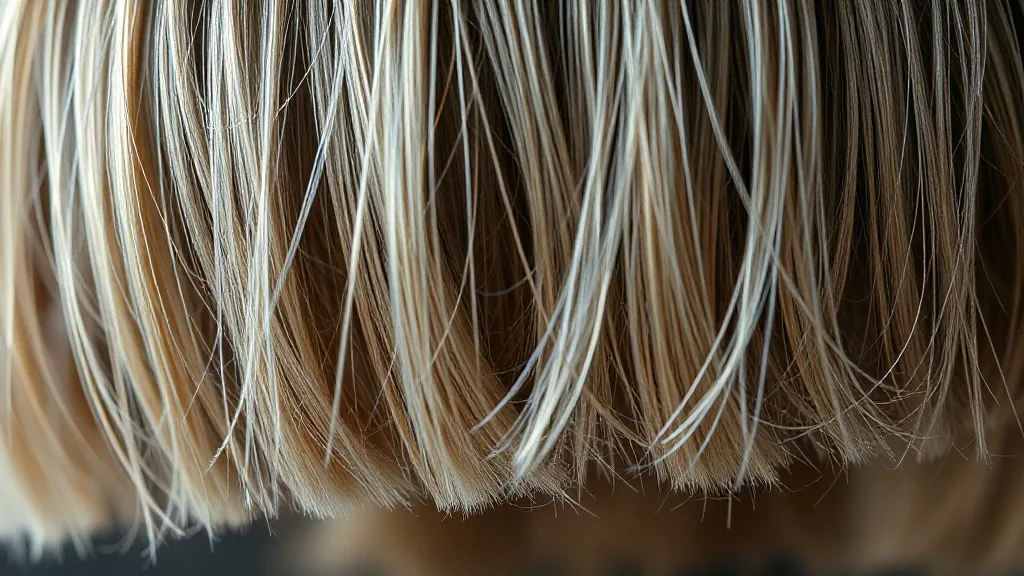
- Fraying: The ends unravel into tiny, fuzzy brush-like tufts.
- Splitting: The fiber splits lengthwise, creating a forked look.
- Tangling: Damaged ends catch on each other, leading to knots.
- Frizz: Static electricity causes ends to stick out and look messy.
Why Do Synthetic Ends Fray More Than Human Hair?
Human hair has a natural cuticle that lies flat and can be sealed with oils. Synthetic fibers are smooth and slick—until they get damaged. Because there’s no natural moisture, friction from brushing, heat from styling tools, or even just the wind in a skydive can cause the ends to fray. Lack of porosity also means products can’t penetrate to repair the damage from within. It’s a battle of physics, not biology.
How to Prevent Damage to Your Synthetic Wig Ends
- Always use cool water (never hot) when washing to avoid melting the fibers.
- Avoid high-heat styling tools unless the wig is labeled heat-resistant.
- Use a wide-tooth comb or wig brush to gently detangle from the ends upward.
- Apply a small amount of silicone-based shine serum or fabric softener to reduce static and friction.
- Store your wig on a mannequin head or in a silk bag to prevent rubbing.
Can You Fix Frayed Ends? Yes, But Be Brave
If your ends are already fraying, don’t panic—I’ve brought back wigs from the brink after a rough jump. One method is to carefully trim the frayed tips with sharp scissors, cutting at an angle to blend. Another trick: use a steam iron or a pot of boiling water (carefully!) to dip the ends for a few seconds. The heat can re-seal the fibers, but test on a hidden strand first. I’ve done this at 10,000 feet—well, not literally, but you get the idea.
When to Give Up and Buy a New Wig
Sometimes the damage is too deep. If the ends are frizzed beyond trimming, or the wig is thinning out, it’s time for a new one. The good news? Synthetic wigs are affordable—often under $100—so you can switch styles as often as you switch extreme sports. Compare that to human hair wigs that cost hundreds and require regular maintenance. For an adrenaline junkie on a budget, synthetic is a no-brainer.
Final Verdict: Are Synthetic Wig Ends Worth It?
Absolutely. With proper care, synthetic wig ends can look great for months—even after a few wild adventures. The key is to treat them with respect: avoid heat, detangle gently, and seal ends when needed. They won’t last forever, but they’ll give you the freedom to change your look without breaking the bank. And if you’re brave enough to wear one while skydiving, you’re brave enough to handle a little fraying.
My Top Synthetic Wig Recommendations for Active Lifestyles
- X-Treme Adventure Wig by Wigplace – lightest, most wind-resistant construction.
- Street Style Bob – short layers minimize end friction.
- Long Luxe Curls – pre-styled to hide any mild fraying.
- Sport Wrap Wig – stays secure during high-impact activity.
Conclusion: Keep the Thrill Alive
Synthetic wig ends may not be invincible, but with a little know-how, they can survive everything from a night out to a free fall. Remember, every frayed end tells a story—and mine usually involves a parachute. So go ahead, take that leap. Your wig can handle it.