
What Are Synthetic Wig Fibers Made Of?
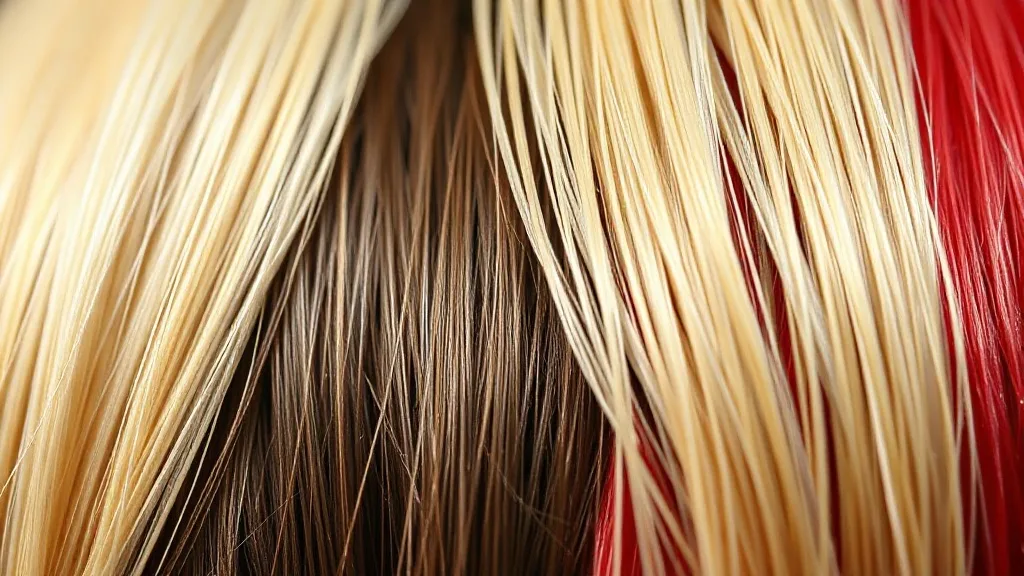
Synthetic wig fibers are typically made from polymers—long chains of molecules that mimic the look and feel of natural hair. The most common materials are acrylic, modacrylic, polyester, and polyvinyl chloride (PVC). Each has unique properties: acrylic is lightweight and heat-resistant, modacrylic blends add natural movement, polyester holds curls well, and PVC creates a silky sheen. As a former chemist, I find it fascinating that by tweaking the polymer formulation, manufacturers can achieve everything from ultra-straight to springy curls without any heat styling.
The Pros of Synthetic Wigs
- Budget-friendly: Synthetic wigs cost a fraction of human hair wigs.
- Low maintenance: They hold their style through rain, humidity, and sweat.
- Color and style variety: Bright colors, funky curls, and trendy cuts are easy to produce.
- Frizz-resistant: Unlike human hair, synthetics don’t react to moisture.
The Cons of Synthetic Wigs
- Heat sensitivity: Most synthetic wigs cannot be heat-styled (unless labeled heat-friendly).
- Shorter lifespan: Typically 4–6 months with regular wear vs. 1–2 years for human hair.
- Less natural movement: Some fibers have a plastic-like shine or stiff texture.
- Limited restyling: Once the style is set, you’re stuck with it—no curling or straightening allowed.
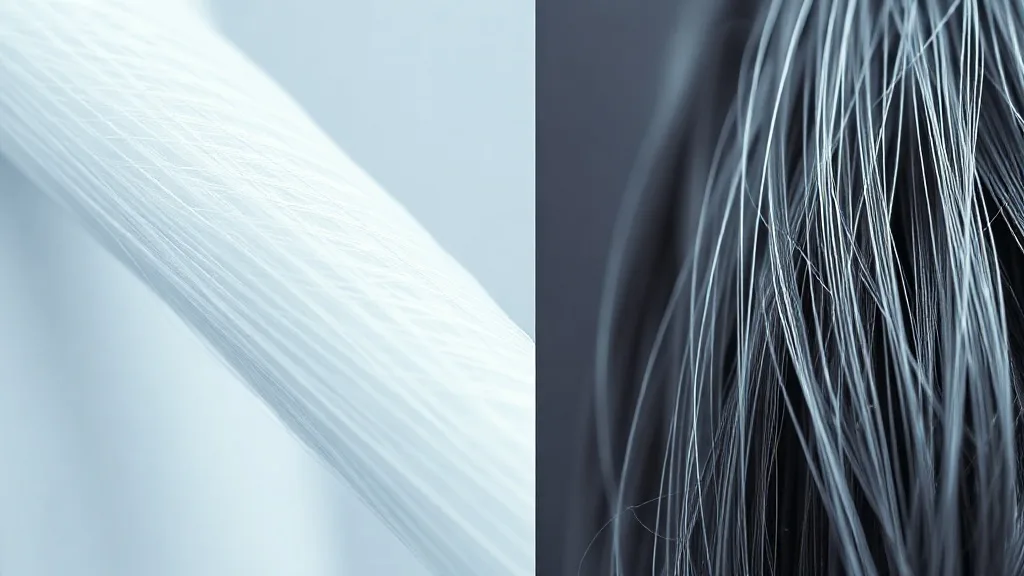
Synthetic vs. Human Hair: A Side-by-Side Comparison
Choosing between synthetic and human hair wigs depends on your priorities. If you value convenience and affordability, synthetic wins. If you want maximum realism and styling flexibility, human hair is the way to go. Let’s break it down.
The Science Behind Fiber Quality
Not all synthetic wigs are created equal. The best synthetic fibers are made from high-quality modacrylic blends that mimic the cuticle structure of human hair. Look for terms like “premium synthetic” or “heat-friendly fiber” (usually made from polyester or a blend that can withstand up to 350°F). Cheaper wigs use basic acrylic that looks plasticky and tangles easily. My advice? Always check the fiber composition label—just like reading ingredients on a food package.
How to Care for Synthetic Wigs to Extend Their Life
- Wash with cold water and sulfate-free shampoo every 6–8 wears.
- Use a specialized synthetic wig conditioner to reduce static and frizz.
- Air dry on a wig stand—never wring or twist.
- Store away from direct sunlight to prevent fading.
- Avoid sleeping or showering in your wig (moisture and friction cause tangling).
The Verdict: Is a Synthetic Wig Right for You?
If you’re a busy person who wants a consistent, ready-to-wear style without the fuss, synthetic wigs are a fantastic choice. They’ve evolved dramatically over the decades: today’s fibers are softer, shinier, and more realistic than ever. While they may not last forever, their low cost and low maintenance make them a workhorse in any wig collection. As I always say, “Give a wig a name, wash it with love, and it will serve you well.”