
Your Scalp Deserves to Breathe
When you're just starting out with wigs, the sheer number of options can feel overwhelming. But if there's one thing I've learned from years of reviewing wigs, it's that breathability changes everything. A wig that lets your scalp feel the air isn't just comfortable—it's confidence. Let's talk about the two main contenders: synthetic and human hair. Which one lets you feel the breeze?
What Makes a Wig Breathable?
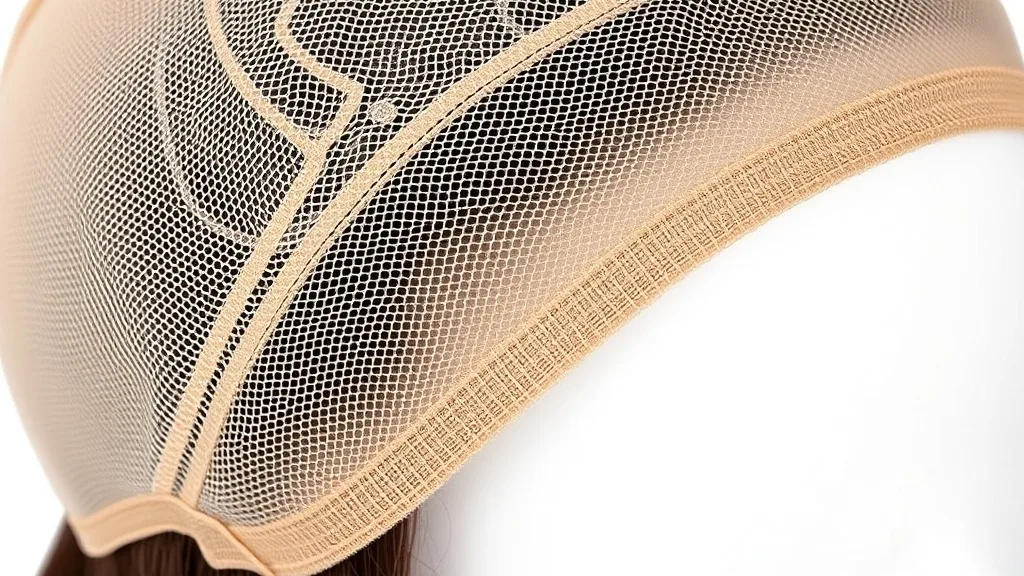
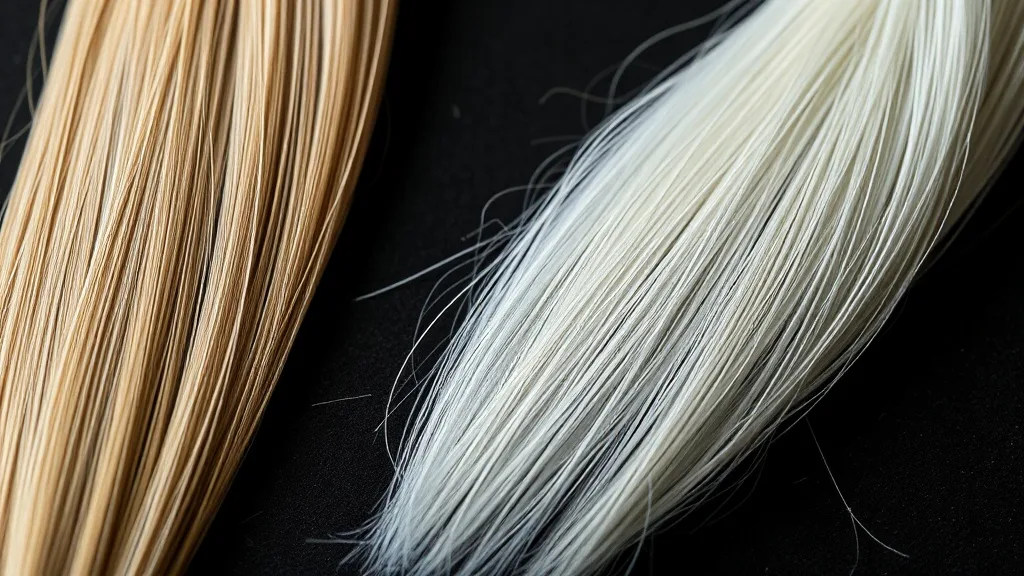
Breathability comes down to two factors: the hair fibers themselves and the cap construction. Synthetic fibers are plastic-based and often less breathable because they don't allow air to pass through as easily. Human hair, on the other hand, is porous and naturally allows airflow. But don't write off synthetics just yet—modern cap designs can make a huge difference.
Synthetic Wigs: Lightweight but Trapped Heat?
Synthetic wigs are popular for their affordability and low maintenance. They hold their style even after washing, which is great for beginners. However, because the fibers are non-porous, they can feel warm, especially in summer. The good news? Many synthetic wigs now feature monofilament tops and hand-tied caps that create ventilation channels. Look for terms like 'open wefting' or 'lace front'—these designs let air flow directly to your scalp.
- Pros: Budget-friendly, style retention, wide color variety
- Cons: Less breathable fibers, can get warm, limited heat styling
- Best for: Low-maintenance wearers who prioritize cost
Human Hair Wigs: The Breeze Lover's Choice
If you're like me and you crave that airy sensation, human hair is where it's at. The cuticles allow moisture and air to pass through, making your scalp feel naturally cool. Plus, you can style them with heat tools, so no worries about melting fibers. But remember: the cap matters. A full lace wig with a sheer lace front is the gold standard for breathability. It creates a microclimate that mimics your natural scalp.
- Pros: Superior breathability, natural movement, heat styleable
- Cons: Higher price, requires more maintenance, color fades over time
- Best for: All-day wearers who value comfort and realism
Cap Construction: The Secret to Airflow
Even the best fibers won't help if the cap is a sweatbox. For maximum breathability, look for these cap features: monofilament tops (they have tiny holes that vent air), lace fronts (the mesh lets heat escape), and open wefting (spaced wefts allow air circulation). Avoid heavily capless wigs or those with thick, glued wefts that block airflow.
Which One Should a Beginner Choose?
Start with a high-quality synthetic wig with good cap ventilation. It lets you learn about fit and care without breaking the bank. But if you live in a warm climate or have a sensitive scalp, invest in a human hair wig for that constant breeze. I always say: if you can feel a gentle whoosh when you fan your wig, you're on the right track.