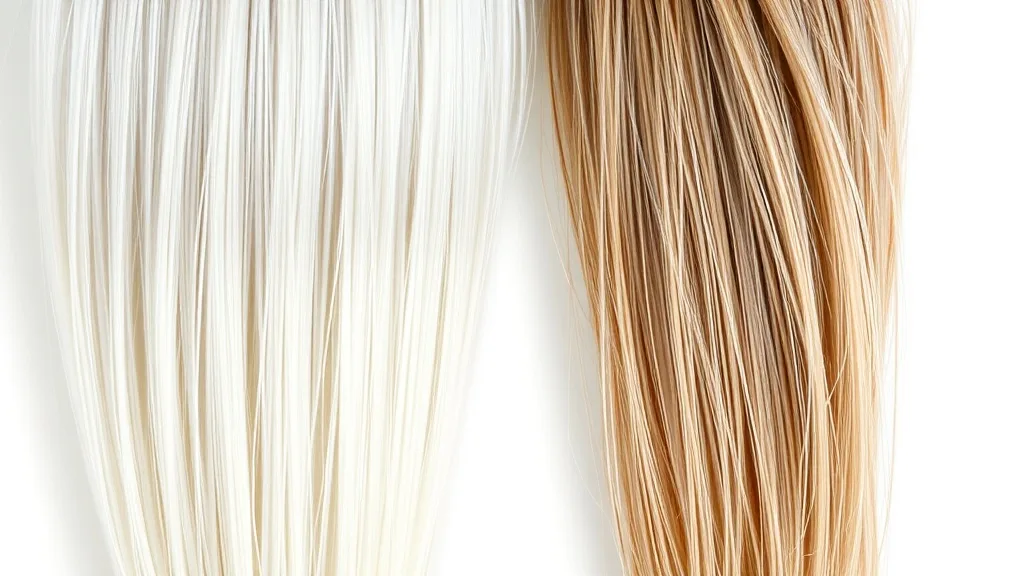


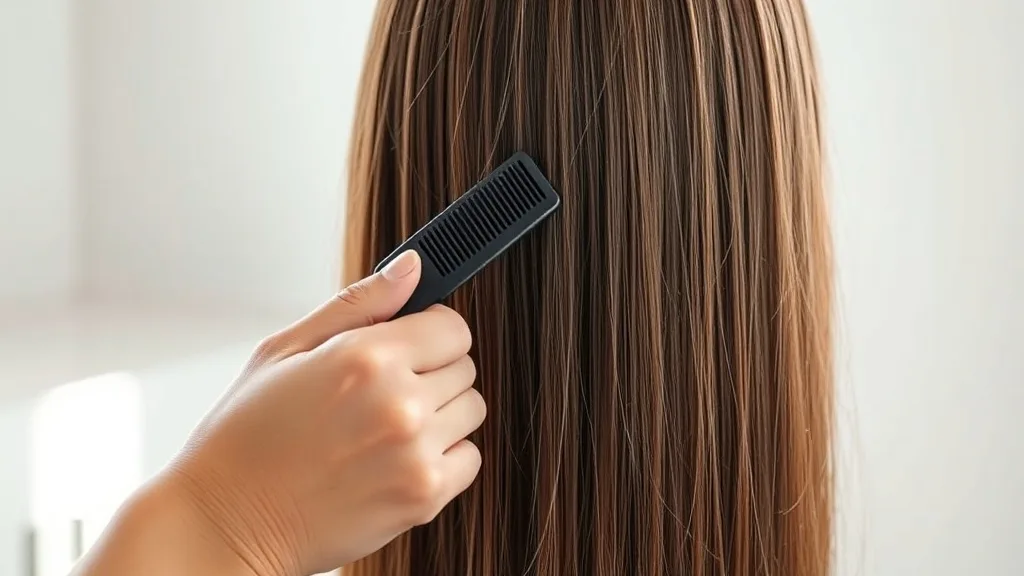
If you're new to wigs, the first big decision is choosing between synthetic and human hair. Each has its own chemistry, care routine, and look. As a wig conditioner chemist, I've broken down the differences so you can find your perfect match.
The Fundamental Difference: Hair Structure and Material
Synthetic fibers are made from polymers like polyester, acrylic, or modacrylic. These are extruded into uniform strands, which means every hair is identical—no cuticle, no natural variation. Human hair, on the other hand, retains its natural cuticle layer (if it's Remy hair) and has a complex structure of keratin proteins. This gives it a more natural movement, luster, and ability to hold moisture. Under a microscope, synthetic fibers look like smooth cylinders, while human hair has overlapping scales that catch light differently.
Heat Styling: A Key Distinction
One of the biggest differences is heat tolerance. Standard synthetic wigs cannot handle heat above 180°F (82°C)—they will melt, frizz, or lose their shape. Human hair wigs can be styled with curling irons, flat irons, and blow dryers, just like your natural hair. However, there are now 'heat-friendly' synthetic wigs that can withstand up to 350°F (177°C), but they're more expensive and still lack the protein structure of real hair.
- Synthetic: Do not use heat styling tools unless labeled heat-friendly.
- Human hair: Can be curled, straightened, and blown out; use heat protectant.
- Heat-friendly synthetic: Can be styled at moderate temperatures, but avoid excessive heat.
Durability and Lifespan
Synthetic wigs typically last 4 to 6 months with regular wear (3–4 times a week). Because the fibers are plastic, they can become frizzy, shiny, or tangled over time, especially at the ends. Human hair wigs, with proper care, can last a year or more. However, they require more maintenance: regular washing, deep conditioning, and gentle handling. The cuticle layers can wear down, leading to tangling, so a good conditioner (like the ones I formulate) is essential.
Cost Considerations
Synthetic wigs are more budget-friendly, ranging from $30 to $300. Human hair wigs start around $150 and can go well over $1,000 for high-quality Remy hair. But remember: human hair wigs are an investment. You can restyle them indefinitely, which offsets the upfront cost if you like to change your look often. Synthetic wigs are pre-styled; once the style loses shape, you'll need a new wig.
Maintenance Routine: What's Your Time Commitment?
Synthetic wigs are almost maintenance-free: a gentle wash every 2–4 weeks with specialized synthetic wig shampoo, and they're good to go. No need for daily styling—just shake and go. Human hair wigs require a routine similar to your own hair: wash every 1–2 weeks, deep condition, detangle gently, and style. If you're short on time, synthetic might suit your lifestyle better. If you enjoy hair rituals, human hair offers more creative freedom.
Realism and Look
High-end synthetic wigs have come a long way—they now feature lace fronts, realistic scalp tones, and subtle highlights. But they still have an undeniable 'plastic' shine because the fibers reflect light uniformly. Human hair wigs have natural sheen variations and move more fluidly. They can be dyed (if uncolored), highlighted, or even permed. For a 100% natural look, human hair wins, but many people are happy with the quality of modern synthetics.
Conclusion: Making Your Choice
The best choice depends on your priorities. If you want low maintenance, variety of colors, and affordability, go synthetic. If you want natural movement, versatility in styling, and longevity, invest in human hair. Consider your budget, time for care, and whether you like to change styles often. Remember: there's no right or wrong—just what makes you feel confident. And whatever you choose, your wig is your crown; treat it like royalty.