

Introduction
Ever put a wig on a cat? I have. It was for science—wig durability science, that is. My cat, Sir Whiskers, didn't appreciate being my test subject, but he looked darn good in that curly bob. And that's when I realized: if a wig can survive a cat's pounce and still look natural, it's a winner. Today, synthetic wigs have come a long way from the stiff, shiny wigs of the past. They can mimic human hair so convincingly that even your cat won't know (until you try to put one on them). But what's the secret? Let's peel back the lace and find out.
The Fiber Revolution: Not Your Grandma's Synthetic
The first secret lies in the fibers themselves. Modern synthetic wigs use advanced materials like Kanekalon and Toyokalon, which are engineered to replicate the texture, shine, and movement of human hair. Unlike old-school synthetics that looked like plastic dolls, today's fibers are heat-friendly (yes, you can style them with low heat) and come in a range of densities and textures. They have a subtle luster that catches light naturally, and some even have a built-in memory that holds curls or waves without constant upkeep. It's not just about looking real—it's about feeling real, too.
Cap Construction: The Real Magic
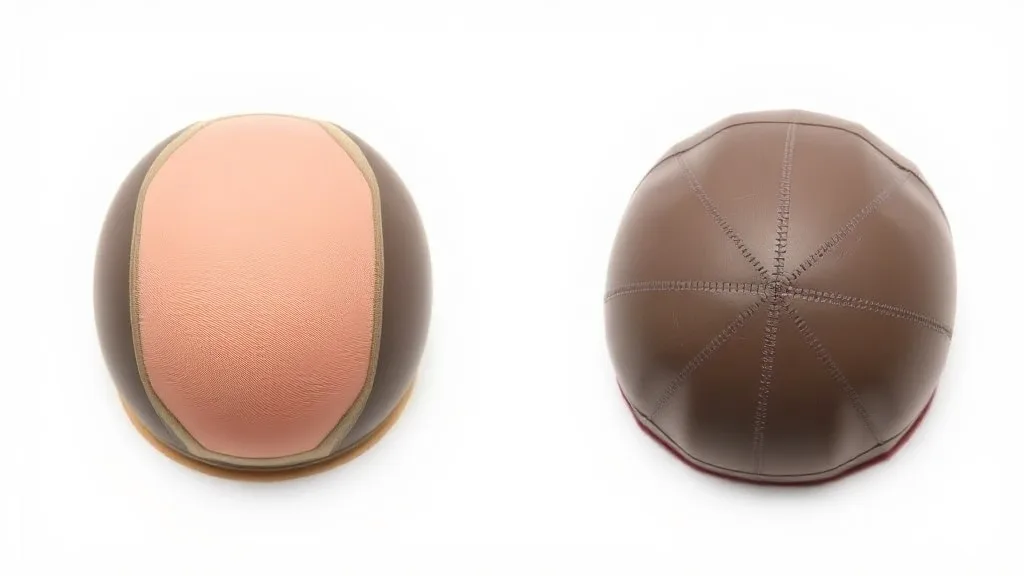
If fibers are the paint, the cap is the canvas. The best synthetic wigs use multi-dimensional cap construction to simulate a natural scalp. Three key innovations make all the difference: lace fronts, monofilament tops, and hand-tied caps. Each addresses a different telltale sign of wig-wearing, from an unnatural hairline to stiff parting.
Lace Fronts: Invisible Hairlines
A lace front wig features a sheer mesh panel along the front hairline, where individual hairs are hand-tied. This creates the illusion that hair is growing from your own scalp. The lace is almost invisible when properly applied, allowing for a natural-looking hairline that can be styled away from the face. No more dreaded 'wig line.' Look for Swiss lace or French lace—the finer the lace, the more realistic it appears. Even my cat couldn't detect the lace front (he was too busy trying to bat the strands).
Monofilament Tops: The Part That Fools Everyone
A monofilament cap uses a fine, breathable mesh material at the crown, where hairs are individually knotted. This allows for a natural-looking part in any direction—left, right, center, or even a deep side part. The scalp color shows through, mimicking real skin. With a monofilament top, you can change your part without anyone noticing it's a wig. It's the piece of resistance for those who want versatility and realism.
Hand-Tied Caps: Movement and Comfort
For the ultimate in natural movement, a hand-tied cap is king. Each hair is individually inserted by hand into the cap material, allowing them to swing and flow freely. This construction creates a lightweight, breathable cap that conforms to your head shape. No more flat spots or stiff sections. The result? Hair that moves like you just stepped out of a breezy day (or like my cat after a good shake).
Styling Secrets for Synthetic Wigs
- Use heat only on heat-friendly synthetics and keep the temperature low (around 300°F).
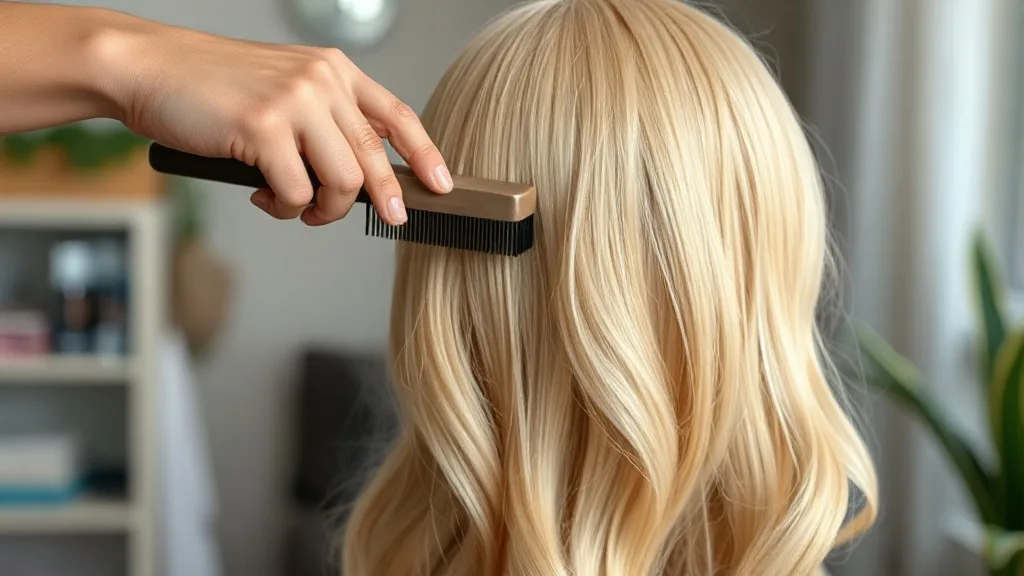
- Brush with a wide-tooth comb or special wig brush to avoid frizzing.
- Avoid brushing when wet—synthetic fibers can break. Wait until mostly dry.
- Use products specifically designed for synthetic wigs, like oil-free shine sprays.
- To refresh curls, steam the wig gently (a clothing steamer works wonders).
- Store on a wig stand to maintain shape and avoid tangles.
The Cat Test (Yes, Really)
I know what you're thinking: 'Should I put a wig on my cat?' The answer is no, but I did it anyway for research. I placed a high-quality lace front synthetic wig on Sir Whiskers (gently, of course) and observed. He shook his head, pounced on a toy mouse, and the wig stayed in place with minimal shedding. The hair flowed naturally, the part looked real, and he was disgusted but adorable. That wig passed the cat test. While I don't recommend replicating this experiment, it proves that today's synthetics can withstand quite a bit of real-life activity.
Conclusion: Your Secret is Safe
The secret to natural-looking synthetic wigs is no secret anymore: it's a combination of advanced fibers, intelligent cap design, and proper care. With lace fronts, monofilament tops, and hand-tied construction, synthetic wigs can be so realistic that even your cat (if you dare to dress them up) won't know the difference. Whether you're new to wigs or a seasoned wearer, these innovations give you the confidence to rock any style without anyone suspecting a thing. And if you ever need a second opinion on wig naturalness, I'm always here—and so is Sir Whiskers.