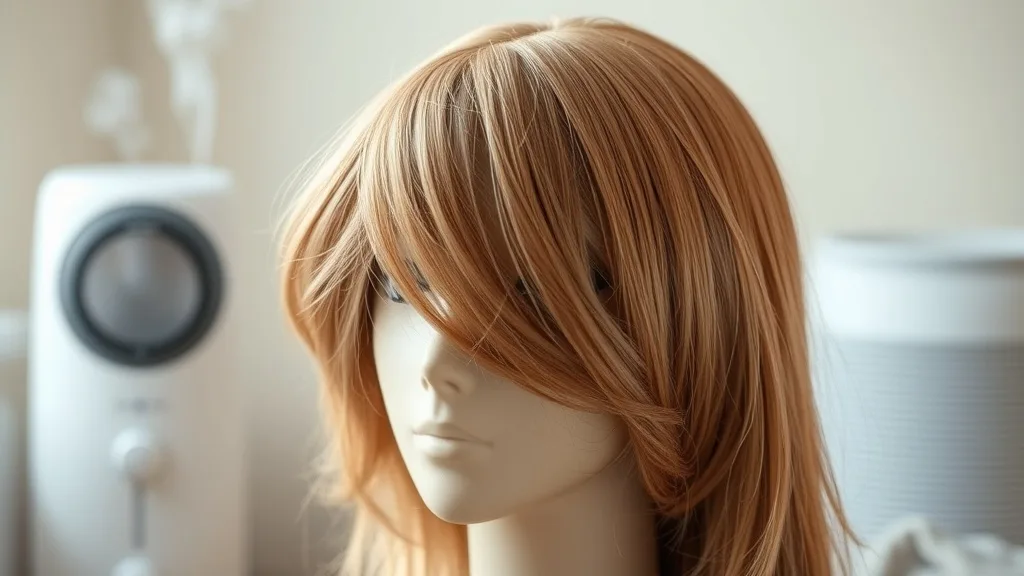

Introduction: The Allure of Human Hair
When you're shopping for a wig, the promise of “natural movement” and “never frizz” is tempting. Human hair wigs command a premium price — often hundreds or even thousands of dollars — with the implicit guarantee that they will behave just like your own hair, or better. But as any seasoned wig wearer will tell you, human hair wigs can and do frizz. The difference lies in how you care for them.
In my years studying wig economics — what I call “Wigonomics” — I've seen countless customers pay top dollar believing they are buying a maintenance-free solution. The truth? Human hair wigs are just as vulnerable to humidity, heat, and mechanical damage as the hair on your head. Let's dismantle the myth once and for all.
Why Does Human Hair Frizz?
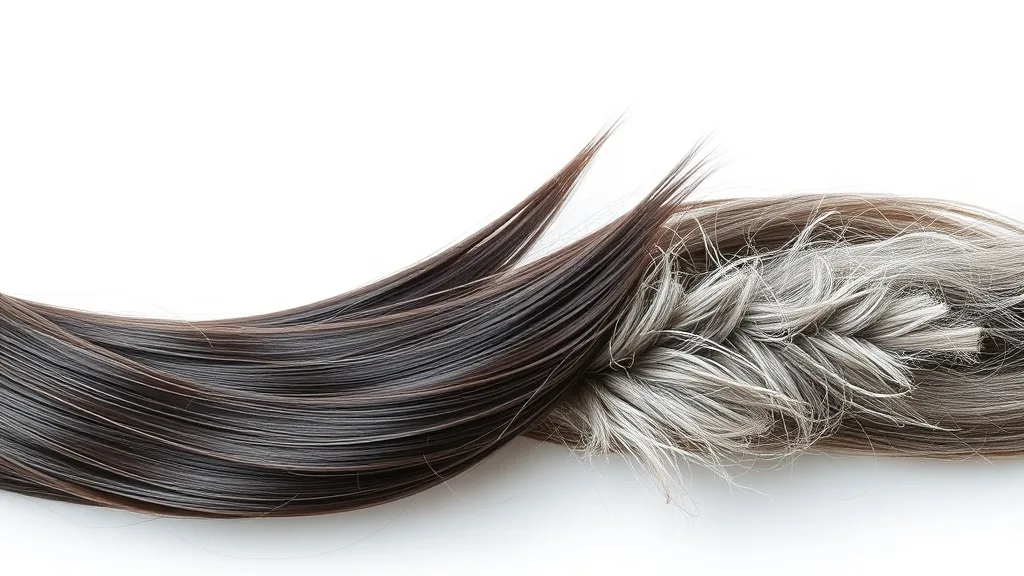
Frizz happens when the outer layer of the hair shaft — the cuticle — is raised, allowing moisture to penetrate and swell the cortex. This causes the hair to bend and puff. Human hair wigs, though harvested and processed, still have cuticles (unless they are cuticle-stripped, which is rare). The cuticles of human hair wigs are often aligned during manufacturing, but over time, friction, heat styling, and environmental humidity can disrupt them.
Key factors that cause frizz in human hair wigs:
- Humidity: High moisture in the air raises the cuticle, leading to frizz.
- Heat damage: Excessive use of hot tools without heat protectant burns the cuticle.
- Washing with harsh shampoos: Sulfates strip natural oils, leaving the cuticle exposed.
- Friction: Rubbing against collars, pillows, or brushing aggressively roughs up the cuticle.
The Economics of Frizz: Human Hair vs. Synthetic
From a cost-benefit perspective, understanding frizz is crucial. Synthetic wigs are made from plastic fibers that are pre-styled and resistant to humidity. They will not frizz in the same way, but they also lack the versatility of human hair. A high-quality synthetic wig can cost $200, while a comparable human hair wig may run $600–$2000. If you're paying that premium, you need to know what you're getting — and what you're not.
Human hair wigs offer unmatched realism and styling flexibility, but they require ongoing investment in products and time. The true cost of a human hair wig includes conditioners, anti-frizz serums, and possibly regular professional maintenance. In contrast, synthetic wigs are “set and forget.”
How to Minimize Frizz in Human Hair Wigs
Does this mean you should avoid human hair wigs? Absolutely not. But you should enter the purchase with your eyes open. Here are strategies I recommend to my clients — all backed by good wigonomics:
- Choose Remy hair: Remy hair has cuticles aligned in the same direction, reducing friction and frizz.
- Use sulfate-free, moisturizing shampoos and conditioners: Invest in wig-specific care products.
- Apply a leave-in conditioner or anti-frizz serum: A lightweight silicone‑based product can seal the cuticle.
- Avoid over-washing: Wash your wig only every 10–14 wears to preserve natural oils.
- Heat style with caution: Always use a heat protectant spray and keep temperature below 350°F.
- Store properly: On a wig stand in a cool, dry place away from direct sunlight.
The Bottom Line
The myth that human hair wigs never frizz is just that — a myth. But with proper care, you can keep frizz to a minimum and enjoy the natural beauty of real hair for months or even years. When you calculate the total cost of ownership — factoring in care products and time — a human hair wig can still be a worthwhile investment if you value realism and styling flexibility. Just don't expect a magic bullet.
Remember: your wig is an investment. Treat it like one, and it will reward you.