
Why Do People Think Human Hair Wigs Are Heavy?
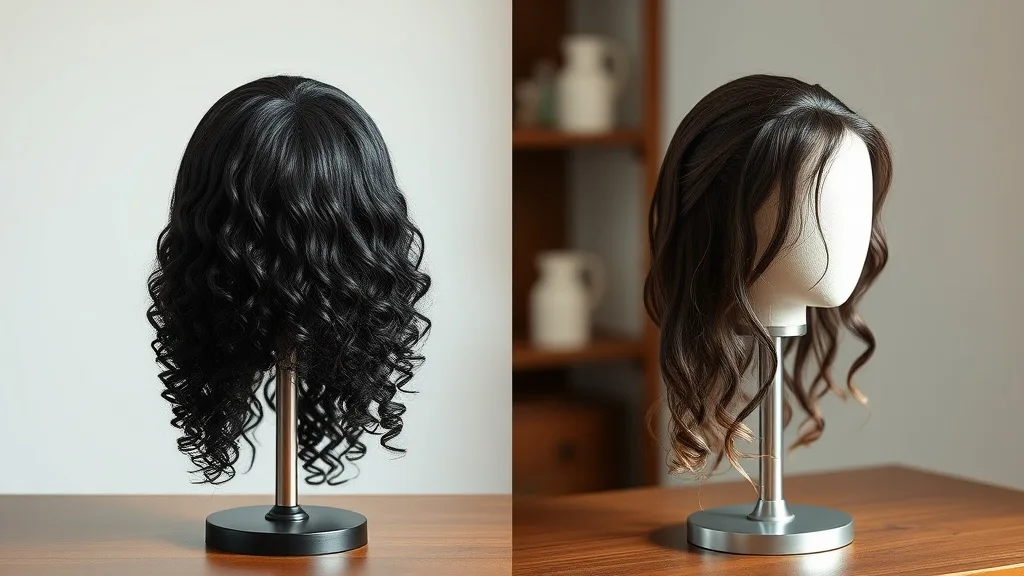
It's a question I hear nearly every day in my wig studio: "Aren't human hair wigs really heavy?" It's a common misconception, and I understand why. Years ago, human hair wigs often came with thick, bulky caps and dense hair that weighed down on the scalp. But the wig industry has evolved dramatically, and today's human hair wigs can be surprisingly lightweight — sometimes even lighter than synthetic counterparts.
As a stylist working with chemo patients, I need wigs that feel as natural and effortless as possible. My clients want to forget they're wearing a wig, and a heavy piece would be a constant reminder. That's why I'm passionate about showing that human hair wigs can be light, breathable, and comfortable for all-day wear.
What Determines the Weight of a Human Hair Wig?
The weight of any wig, regardless of hair type, depends on several key factors:
- Cap construction: Mono tops, lace fronts, and hand-tied caps can reduce weight by removing bulky wefts.
- Hair density: Human hair wigs are available in light, medium, or heavy density — you can choose a lighter option.
- Hair length: Longer hair naturally adds weight, but shorter or layered cuts minimize it.
- Wefting technique: Machine-wefted wigs tend to be heavier; hand-tied or ventilated caps distribute hair more sparsely.
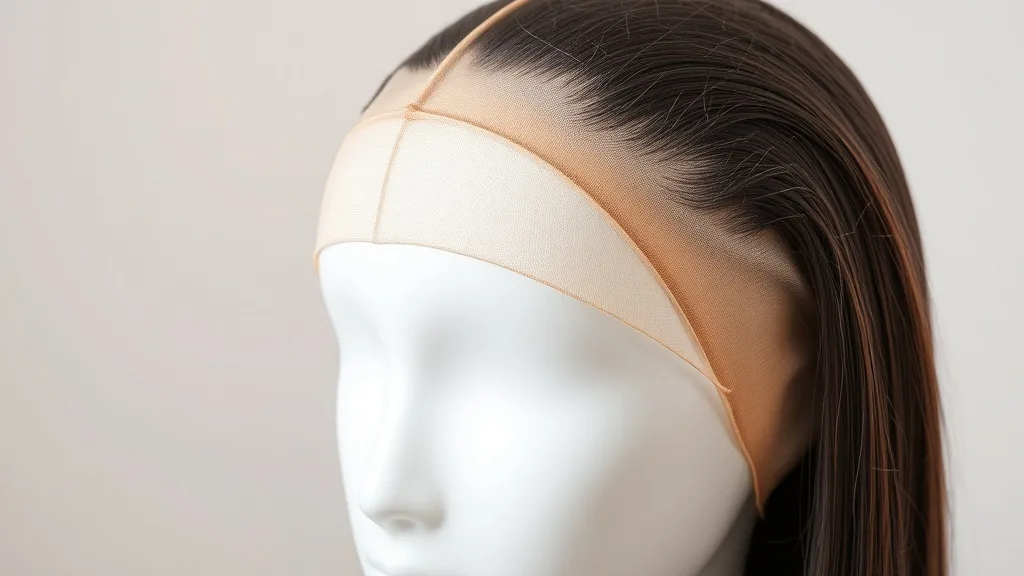
Modern cap designs use breathable materials like Swiss lace, ultra-fine mesh, and monofilament that mimic the scalp. These materials are so light you barely feel them. And because human hair wigs can be styled, you can have the hair thinned or layered to reduce bulk even further.
Comparing Human Hair and Synthetic Wig Weight
Let's look at real numbers. I've weighed dozens of wigs in my studio. A standard synthetic wig with average density and cap often weighs between 3 to 5 ounces (85–140 grams). A similar human hair wig, especially one with a lightweight cap like a full lace or monofilament top, typically ranges from 4 to 6 ounces (110–170 grams). That's only an ounce or two difference — about the weight of a slice of bread. When you consider that synthetic wigs often have heat-resistant fibers that are stiffer and less breathable, the slight weight difference becomes negligible.
Many of my clients are surprised when I hand them a human hair wig and they exclaim, "Oh, it's so light!" That's because they've been conditioned to think human hair wigs are heavy. The reality is that a well-made human hair wig can feel almost weightless.
The Role of Cap Construction in Comfort
The secret to a lightweight human hair wig lies in the cap. Let me break down the most common types:
- Monofilament caps: A fine, sheer mesh at the crown creates the illusion of natural hair growth. This cap is very lightweight because the hair is hand-tied individually to the mesh, not sewn in wefts.
- Lace front wigs: The front is made of transparent lace, which is virtually weightless. The remainder of the cap can be a lightweight stretch material that conforms to the head without bulk.
- Full lace wigs: The entire cap is made of delicate lace, making them one of the lightest options available. They're ideal for people with sensitive scalps.
- Hand-tied caps: Each hair is individually knotted into a soft, breathable material. These caps are ventilated, meaning they have tiny holes that reduce weight and increase airflow.
I often recommend hand-tied monofilament wigs for my chemo patients because they combine the natural movement of human hair with an ultra-light cap that feels like a second skin.
How to Choose a Lightweight Human Hair Wig
If you're worried about weight, here are my top tips:
Don't be afraid to ask your wig specialist about the weight before you buy. At Wigplace, we provide detailed specifications so you can compare confidently.
Why I Love Human Hair Wigs for Chemo Patients
In my work, I see the emotional impact of hair loss every day. My goal is to create wigs that not only look like my clients' own hair but also feel like it. Human hair offers incredible realism — it moves, shines, and styles just like natural hair. And with today's lightweight caps, my clients can wear them through chemo treatments, doctor's appointments, and everyday life without discomfort.
One of my clients, Sarah, was convinced she'd need a synthetic wig because she'd heard human hair wigs were too heavy for her sensitive scalp after radiation. I showed her a lightweight hand-tied human hair wig, and she cried when she put it on. "It doesn't feel heavy at all," she said. "It feels like me." That's the magic of modern wig technology.
Final Thoughts: Don't Let the Myth Hold You Back
If you've been avoiding human hair wigs because you think they'll be heavy, it's time to reconsider. The industry has made huge strides in cap design, density options, and materials. A human hair wig can be just as lightweight, breathable, and comfortable as any synthetic wig — if not more so. The key is choosing the right cap and density for your needs.
Visit our guide on Synthetic vs Human Hair to learn more, or come see me at Wigplace. I'll help you find a wig that's as light as a feather and as beautiful as your own hair.