
Understanding Wig Weight
When it comes to choosing a wig for your child, weight is a top concern. A heavy wig can cause discomfort, headaches, and even skin irritation. Both synthetic and human hair wigs come in various weights, but there are general differences. Let's explore what makes each type light or heavy.
Synthetic Hair Wigs: Light and Carefree
Synthetic wigs are typically lighter than human hair wigs because the fibers are hollow and less dense. This makes them a popular choice for children who need a comfortable, low-maintenance option. The cap construction also plays a role—many synthetic wigs use lightweight mesh or lace that allows the scalp to breathe.
- Average weight: 2-4 ounces (57-113 grams)
- Less bulk means less strain on the neck and head
- Ideal for active kids who play sports or run around
- Easy to care for: just wash and go, no styling needed
Human Hair Wigs: Natural and Versatile
Human hair wigs offer the most natural look and can be styled like real hair, but they are often heavier. The weight depends on the quality and length of the hair. For children, a shorter, lighter human hair wig can still be comfortable, but it may require more effort to keep in place. The cap must be well-fitted to distribute weight evenly.
- Average weight: 3-6 ounces (85-170 grams)
- Longer hair adds more weight
- Requires more maintenance (washing, styling, products)
- Better for special occasions or when a natural look is essential
Which Is Lighter? A Side-by-Side Comparison
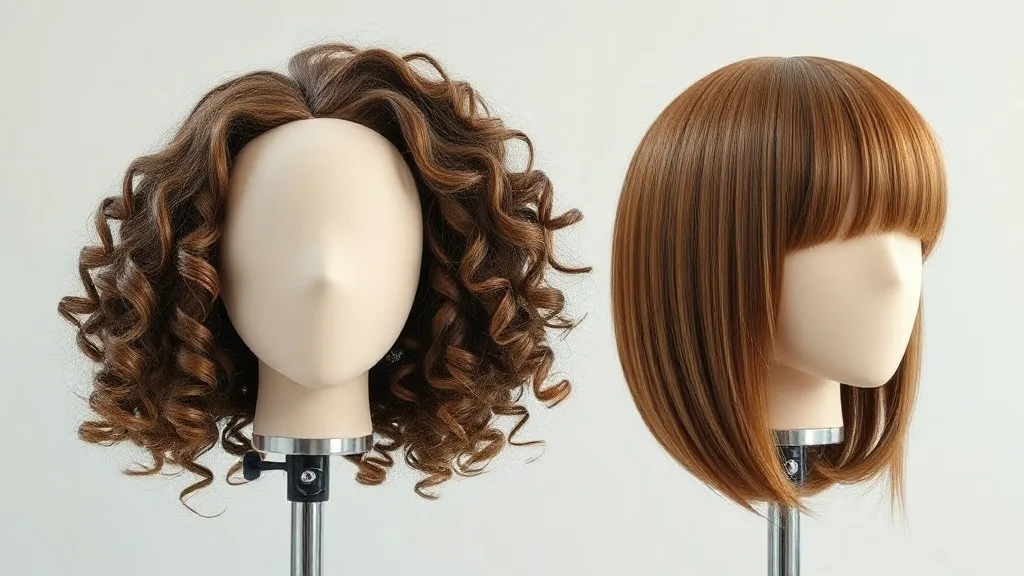
In general, synthetic wigs are lighter than human hair wigs. However, not all synthetic wigs are created equal—some high-quality synthetic cap constructions can be a bit heavier. Similarly, a short, thin human hair wig might be lighter than a thick, long synthetic wig. Here's a quick comparison:
Expert Advice from Ann Martin
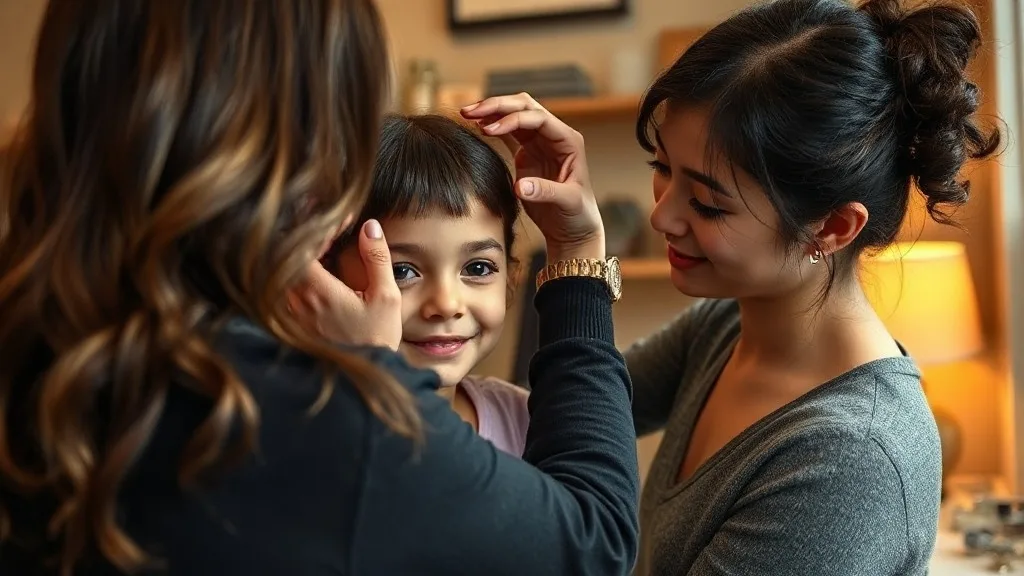
As a pediatric wig designer, I've seen many children try on both types. For everyday wear, I usually recommend synthetic wigs because they're lighter and less likely to cause discomfort. But for special events or when a child wants to match their natural hair exactly, a high-quality human hair wig can work—just make sure it's properly fitted. Always involve your child in the decision and prioritize their comfort.
Final Thoughts
Both synthetic and human hair wigs have their pros and cons, but when it comes to weight, synthetic wigs win for lightness. However, the best choice depends on your child's needs, lifestyle, and comfort. At Wigplace, we offer a range of both types, and our specialists can help you find the perfect fit. Remember, a happy child is one who feels good in their wig!