

Why Cap Size Matters
I’ve been in wig shops from Tokyo to Toronto, and the one thing every stylist agrees on: fit is everything. A wig that’s too tight gives you a headache and can damage your hairline. One that’s too loose slips, shifts, and screams "I’m wearing a wig." The cap size is the foundation of a natural, comfortable look. Whether you're buying online or in-store, knowing your measurements saves time, money, and frustration.
How to Measure Your Head for a Wig
Grab a soft measuring tape and a mirror. (Or better yet, ask a friend!) Measure around your head where a wig would sit: starting at your hairline in front, above your ears, and around the nape of your neck. Write down that circumference in inches or centimeters. Also note the front-to-nape length (from hairline to the hollow at the back of your neck) and ear-to-ear across the top. Wig size charts typically use these three measurements.
- Circumference: Around your head, following the natural hairline.
- Front to nape: From your forehead hairline to the nape of your neck.
- Ear to ear (over the top): From the top of one ear to the top of the other, going across your crown.
Standard Wig Cap Size Categories
Most brands categorize caps as Small, Medium, Large, and Extra Large or Large+. A Small cap fits about 21–21.5 inches circumference, Medium 22–22.5 inches, Large 23–23.5 inches, and XL 24 inches or more. But every manufacturer’s tolerances vary. Always check the specific brand's sizing chart. I've seen a "Medium" in one country fit like a "Large" in another.
Adjustable Caps vs. Custom Caps
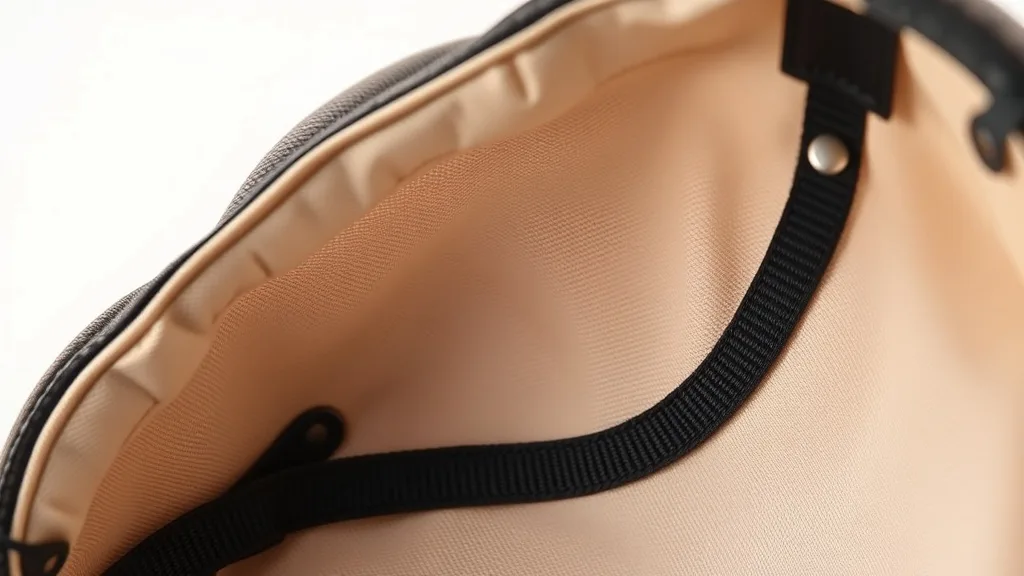
Adjustable caps have combs, clips, or Velcro straps to fine-tune the fit. They're great for between sizes or if your head changes shape (yes, weight loss or medication can affect it!). Custom caps are made to your exact measurements—ideal for those with very small or very large heads, or medical needs like chemotherapy. I once spent a day in a Seoul wig workshop where they crafted a custom cap in under two hours. It was magical.
Common Mistakes to Avoid
- Assuming one-size-fits-all:
- Shopping by lace size alone:
- Ignoring your head’s unique shape:
One-size-fits-all caps are rarely comfortable. They may work for a while, but for long-term wear, proper sizing is crucial. Lace front size matters for natural appearance, but the cap must still fit your head. And head shapes vary—some have flatter crowns, others rounder. A good wig boutique will measure you properly.
Globetrotter Tips from My Travels
In Bangkok, I learned to bring my own wig cap to test in-store. In London, a stylist taught me to wet-set a wig for a custom feel. And in Mumbai, I discovered that air humidity affects cap elasticity. If you're shopping abroad, keep these in mind: try wigs in natural light, bring your own wig cap (sanitary), and don’t be shy about asking for a fitting. The perfect cap size is out there—measure twice, buy once.
Conclusion
Cap size isn't glamorous, but it’s the backbone of any great wig look. Whether you're a first-timer or a veteran, take the time to measure, consult charts, and try different brands. Your scalp will thank you—and so will your confidence.