
The Hidden Dimension in Wig Fitting
When clients come to me for a custom wig, they usually rattle off head circumference, ear-to-ear, and nape measurements. But there’s one number they almost never give: shoulder width. And that’s a mistake. Your shoulder width is like the secret key that unlocks a truly flawless fit. I’ve seen too many wigs that look perfect on the mannequin but shift, gap, or feel tight on the person—and nine times out of ten, it’s because no one accounted for those collarbone-to-collarbone inches.
Why Shoulder Width and Head Size Go Hand in Hand
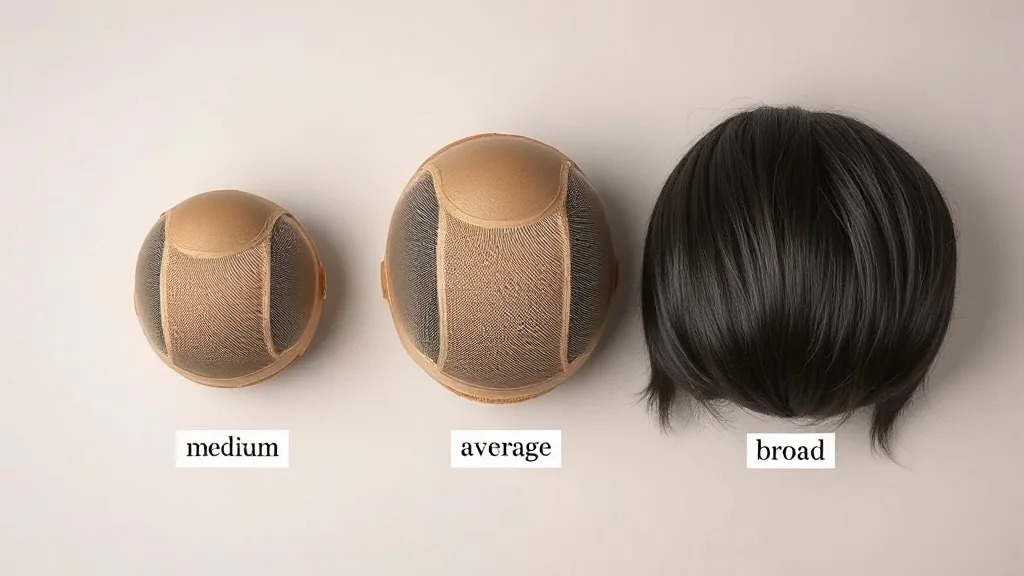
Think of your body as a beautifully interconnected sculpture. Broad shoulders often accompany a larger cranial structure—wider temples, a more robust occipital bone, and a longer nuchal ridge. Conversely, narrow shoulders usually mean a smaller, more delicate skull. Your wig cap needs to reflect that natural harmony. A cap designed for a narrow-shouldered frame will look pinched and strained on someone with linebacker shoulders, while a cap meant for broad shoulders might slide off someone with narrow shoulders like a loose hat.
How to Measure Your Shoulder Width the Right Way
For the most accurate results, grab a flexible tape measure and a friend (or a mirror). Stand naturally with your arms relaxed at your sides. Place the zero end of the tape at the outer edge of your left shoulder joint—the bony bump where your arm meets your torso. Run the tape straight across the back, not curved, to the same point on your right shoulder. That number, in inches or centimeters, is your biacromial width. Record it alongside your other head measurements.
- Use a flexible tape measure (not a metal one).
- Keep your posture neutral—no puffing your chest or slouching.
- For broad shoulders, consider adding ¼ inch to your cap circumference.
- For narrow shoulders, a standard cap with adjustable straps often works best.
The Fit Equation: Shoulder Width Meets Cap Construction
In my decade of custom wig design, I’ve developed a simple rule: shoulder width within 2–3 inches of average (about 16–18 inches for women, 18–20 for men) usually matches a medium cap. Outside that range, you’ll need to adjust. Broad shoulders often require a large or extra-large cap, but more importantly, a longer back and wider weft placement to prevent the wig from riding up. Narrow shoulders may call for a petite cap with shorter nape length and softer lace fronts to avoid gaps.
Real Talk: One Size Does Not Fit All
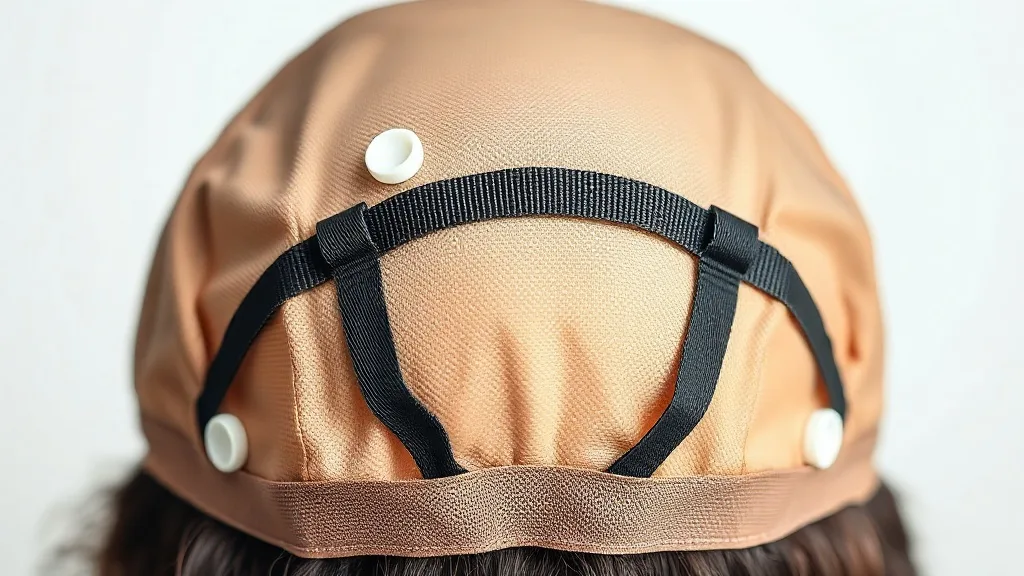
I once made a replica of Beyoncé’s Lemonade braid for a client with a 19-inch shoulder width. Standard patterns were way off. The wig kept tilting forward because the weight wasn’t distributed correctly. After remeasuring and adding internal silicone grips along the occipital area—adjusted for her broader frame—it sat like a second skin. That’s the level of detail shoulder width demands. Never settle for a cap that‘s “close enough.”
Customizing for Your Body’s Proportions
Here are my top three adjustments based on shoulder width:
- Broad shoulders: Request a cap with a deeper nape (at least 5 inches) and reinforced back to prevent riding up.
- Narrow shoulders: Opt for a smaller cap with thinner straps and lighter lace to reduce bulk.
- Average shoulders: Most standard caps will work, but always test the fit with a mirror and shoulder-width check.
Final Thoughts: Measure Everything
Your shoulder width isn’t just a number—it’s a blueprint for how your wig will behave in real life. Whether you’re swaying in a windstorm or hugging a friend, the right fit starts from your shoulders. So grab that tape measure, jot down that biacromial width, and bring it to your next consultation. Your wig—and your confidence—will thank you.