


Introduction: Why Short Wigs Demand Perfect Measurements
I've fitted wigs for A-list celebrities and everyday women alike. I'll tell you the truth: short wigs are the most unforgiving. With longer hair, a small miscalculation can be disguised. But a short wig? Every millimeter shows. If you're okay with a wig that slips, shifts, or gapes, stop reading. If you want a secure, natural look that stays put, pay attention. There are no shortcuts. Let's get to work.
Tools You'll Need
Before we start, gather these items. Don't substitute. Don't guess. Use the right tools.
- A soft, flexible measuring tape (the kind used for sewing)
- A mirror or a trustworthy assistant
- A hair clip to pin back your own hair
- A pen and paper to record measurements precisely
- A wig cap to smooth your hair flat (optional but recommended)
Measurement 1: Head Circumference
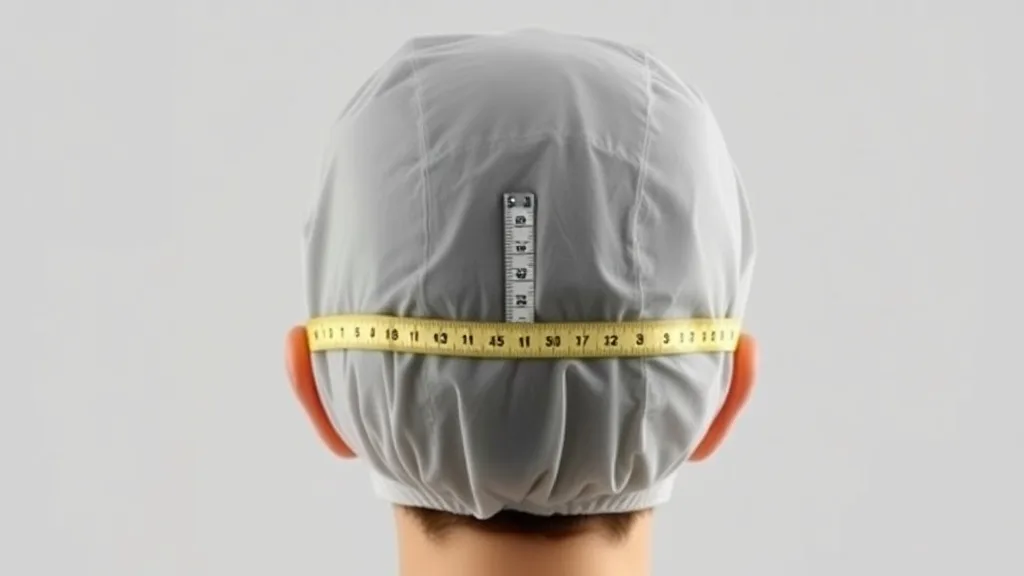
This is the most critical measurement. It determines your cap size. Place the tape at the center of your forehead, about an inch above your eyebrows. Wrap it around your head, just above your ears and across the occipital bone at the back (that bump at the base of your skull). The tape should be snug—not loose, not tight. Write down the number. If you're between sizes, always go smaller. A short wig can be stretched; it cannot be shrunk.
Measurement 2: Front to Nape
This measures the length of your head from front to back. Place the tape at your hairline in the front (where your forehead meets your scalp). Bring it over the top of your head, following the curve, down to the nape of your neck—the bony prominence at the base of your skull. Keep the tape centered. Record it. This ensures the wig sits correctly forward to back.
Measurement 3: Ear to Ear (Over the Top)
Short wigs often have less cap coverage, so this measurement is crucial. Start at the top of one ear (the point where the front of the ear meets the scalp). Bring the tape over the crown of your head to the same point on the other ear. The tape should touch your head along the entire path. This helps the wig stay planted from side to side.
Measurement 4: Temple to Temple (Around the Back)
This one is often overlooked. Place the tape at one temple (the hairline notch slightly above and in front of your ear). Wrap it around the back of your head, just below the occipital bump, to the other temple. This measurement ensures the wig closes properly around the nape and doesn’t ride up.
Measurement 5: Nape of Neck Width
Short wigs with a tapered nape require a precise neck width. Measure from the base of one ear (where the earlobe meets the head) horizontally across the nape to the other ear. This prevents the wig from flaring out at the back. A wig that gaps at the nape is a dead giveaway.
Measurement 6: Crown to Front Hairline
Place the tape at the highest point of your head (the crown). Bring it straight down to the center of your forehead hairline. This gives you the depth needed for the wig's front. Short wigs often have a shorter front-to-crown ratio, so don't assume it's the same as your total front-to-nape.
Final Checks and Adjustments
Now that you have your numbers, compare them to the wig's sizing chart. If you fall between sizes, add a silicone grip strip or adjust the ear tabs. Never buy a long wig and cut it short to avoid measuring—that's a disaster waiting to happen. Short wigs must be built on a short wig block with the correct measurements. Trust me, I've seen the horror stories.
One more thing: a short wig should feel snug but not painful. If you feel pressure points, it's wrong. Proper fit distributes tension evenly. Don't settle. Your wig should move with you, not against you. That's the secret.
Conclusion
Measuring for a short wig is not optional. It's the foundation of a natural, secure look. I've seen too many people waste money on wigs that don't fit because they skipped these steps. Don't be one of them. Take the time, do it right, and you'll never look back. If you have any doubts, bring your measurements to a professional. But if you follow my method, you'll get it right. I demand nothing less than perfection, and so should you.