Why Accurate Measuring Matters
A wig that fits poorly is a wig that won't stay put. Whether you're a seasoned wig wearer or a first-timer, taking the time to measure correctly makes all the difference. I've seen countless folks struggle with slipping, pinching, or gaping wigs—all because they skipped the measuring step. As a hardware specialist, I can tell you that the foundation of a secure fit starts with the numbers, not the clips or adhesives.
Tools You'll Need
Before we dive in, gather these simple tools: a flexible cloth tape measure (the kind used for sewing), a mirror, a pen and paper to record measurements, and a hair clip to pin back your bio hair. If you don't have a cloth tape, a piece of string and a ruler work just as well.
Step-by-Step Measuring Guide
1. Head Circumference
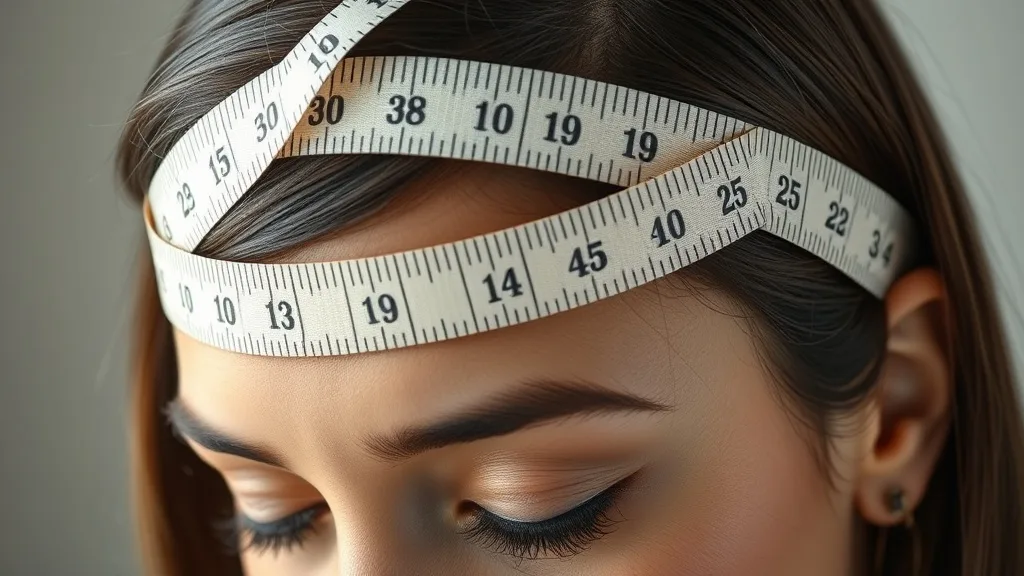
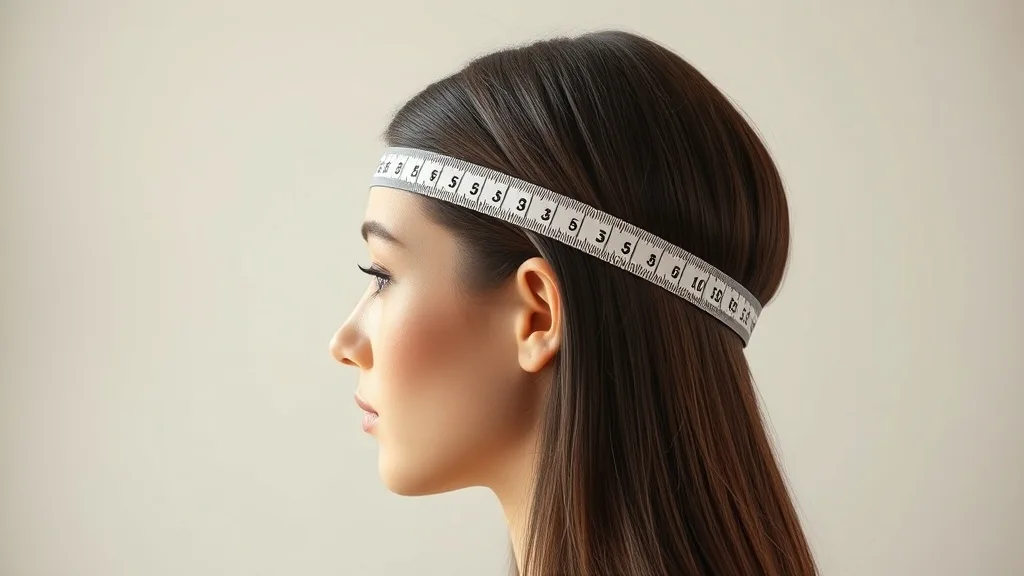
Place the tape measure about ¼ inch above your ears, across the middle of your forehead—not too high, not too low. Wrap it around the occipital bone at the back of your skull. Keep the tape snug but not tight. Record the measurement. This is your baseline circumference.
2. Front to Nape
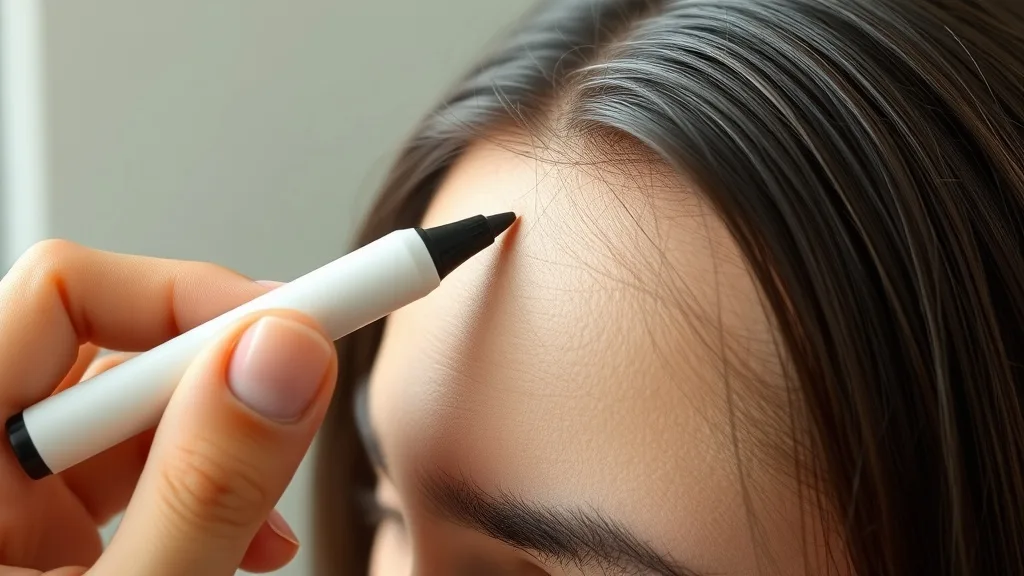
Starting at your natural hairline in the center of your forehead, run the tape measure over the top of your head to the nape of your neck (where your skull meets your neck). Make sure the tape follows the curve of your head. Write it down.
3. Ear to Ear (Over the Top)
Measure from the top of one ear, over the crown, to the top of the other ear. This ensures the wig's side panels align with your ears.
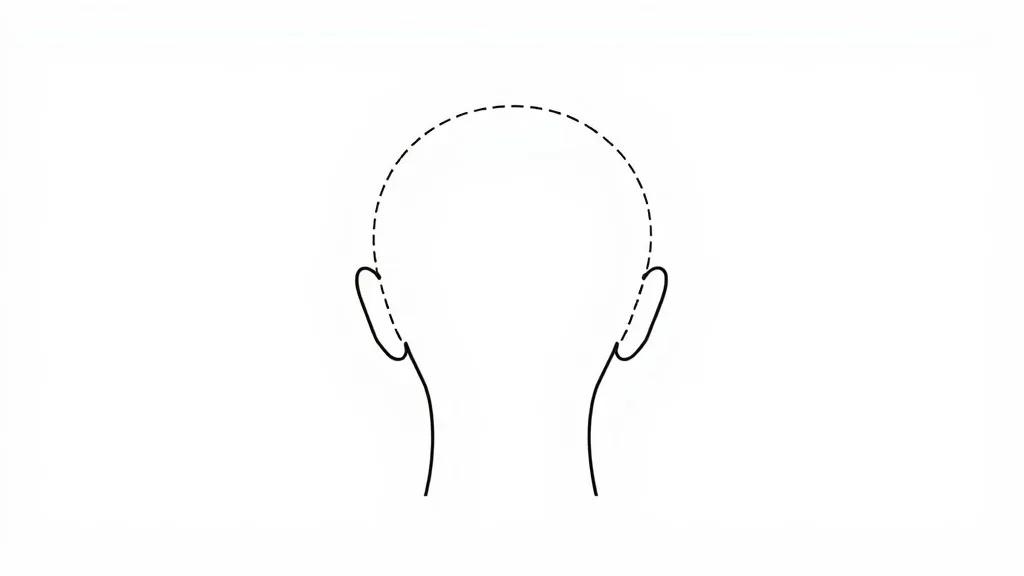
4. Ear to Ear (Around the Back)
Measure from the top of one ear, around the back of your head (just below the occipital bump), to the top of the other ear.
5. Temple to Temple
Measure across your forehead from one temple to the other. This helps determine wig width.
6. Nape of Neck
Measure for nape width if you have a narrow or wide neck base: from the bottom of one ear across to the bottom of the other.
Common Measuring Mistakes
- Measuring over bulky hair (pin it flat).
- Pulling the tape too tight or too loose.
- Using a metal tape measure that doesn't flex.
- Skipping the ear-to-ear measurements for ear tabs.
What to Do With Your Measurements
Most wig size charts use circumference (petite, average, large) plus front-to-nape and ear-to-ear. Compare your numbers to the brand's sizing guide. If you're between sizes, opt for the larger one and use adjustable straps, clips, or silicone grips for a custom fit. Remember, a little wiggle room is better than a headache-inducing squeeze.
Final Thoughts
Measuring is the secret weapon of every confident wig wearer. It's a five-minute task that saves you from hours of frustration. And if you ever need help choosing the right hardware to fine-tune your fit—velvet lining, combs, or tension straps—you know where to find me.