

The One-Size Myth: Straight Out of the 80s?
Greetings, big-hair enthusiasts! It’s your girl Sue, coming at you from my time capsule of a wig closet. I’ve been rocking 80s-inspired wigs since the decade itself, and let me tell you—nothing ruins a killer poof like a wig that slides off your head. I used to believe the rumor that all wigs are standard sizing. I thought, “Hey, a head is a head, right?” Wrong! Just like shoulder pads came in different sizes (remember those?), wigs do too. Let’s set the record straight and banish this myth to the hair metal bands of yesteryear.
Why Wig Sizing Matters: More Than Just a Cap
Imagine spending hours teasing your hair to perfect Aqua Net heights, only to have your wig shift during a power ballad. Tragic. A well-fitted wig stays put, feels comfy, and lets you strut your stuff without constant adjusting. The truth is, heads come in all shapes and sizes—round, oval, long, petite, average, large. Standard sizing is a myth because wig manufacturers cater to different head measurements. And with 80s-style wigs often having massive volumes, a secure fit is non-negotiable.
Measuring Your Head: A Step-by-Step Guide
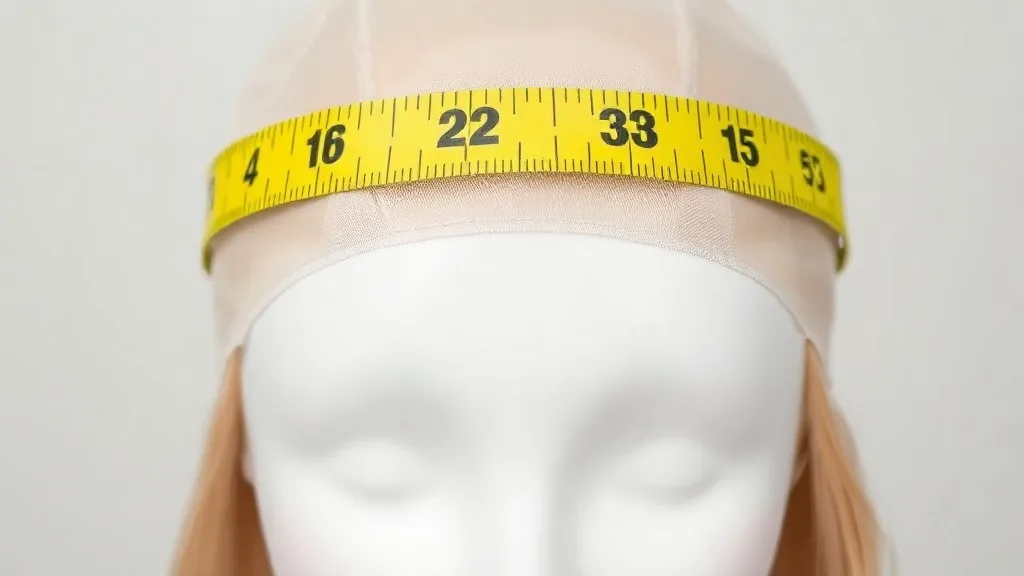
Looking for the perfect fit? Grab a soft measuring tape and channel your inner rockstar. Here’s how to get your head measurements:
- Circumference: Measure around your head, just above your ears and eyebrows. Write that number down.
- Front to Nape: From your hairline at the forehead, over the top of your head, down to the nape of your neck.
- Ear to Ear Across Forehead: From the top of one ear, across the forehead, to the top of the other ear.
- Ear to Ear Over Top: From one ear, over the crown, to the other ear.
- Nape of Neck: Measure the width of your neck at the base of your hairline.
Compare these numbers to the wig's sizing chart (yes, actually read the chart!). Don't assume a 'medium' fits all—many brands consider 21.5-22.5 inches as average, but others have petite, average, and large designations.
Different Wigs, Different Fits
Not all wigs are created equal, especially when it comes to construction. Lace front wigs, monofilament tops, and classic wefted caps all have different stretch and adjustability. Wigs from the 80s often had stiff, bulky caps that didn’t give much. Modern wigs have adjustable straps, elastic bands, and sometimes even combs to secure them. But even with adjustments, the base size is the key. Always check the cap construction and sizing options—don’t just grab the one that looks cool.
How to Adjust a Wig That’s Too Big or Too Small
So you bought a wig that doesn’t fit perfectly? Don’t panic—I’ve been there more times than I want to admit. Here are some retro remedies:
- Too big? Use wig grips (a velvet band that adds friction) or sew in elastic bands at the nape. You can also add foam strips inside the cap.
- Too small? Stretch the wig cap using a wig block and steam, or carefully cut the netting inside to release tension. (Note: This may void warranty, so proceed with caution.)
- Slight looseness? Apply double-sided wig tape or glue along the hairline for extra security.
Don’t Let the Myth Hold You Back
Whether you’re going for a classic Farrah Fawcett feathered look or a full-on Debbie Harry punk explosion, your wig should feel like it’s part of you—not a borrowed helmet. The myth that all wigs have standard sizing is just that: a myth. It’s time to measure, check sizing charts, and embrace the variety that makes wig-wearing fabulously individual. Now go forth, get measured, and rock that hairstyle like it’s 1985!