

If you have a convex head – one that's rounder at the back and crown – you know the struggle: wigs that slip, tilt, or just don't feel secure. But measuring for a wig when you've got a bit more curve doesn't have to be a game of hide and seek with your wig. As a mom of two wig-loving kids, I've turned this into a fun, foolproof method that works every time. Ready to get that perfect fit? Let's play!
Why Convex Heads Need Special Attention
Most wig sizing charts assume a standard head shape – but our heads are as unique as our fingerprints! A convex head means the back of your skull is more prominent, which can cause the wig to tilt forward or lift at the nape. The good news? With the right measurements, you can customise any wig to stay put. Think of it like finding the perfect hiding spot – once you know the shape of the space, you can tuck in snugly.
Gather Your Tools (No, Not a Treasure Map!)
- Flexible measuring tape (the soft, cloth kind – no metal tape measures, please!)
- A notepad and pen (or your kid's crayons – I won't judge)
- A hair clip or a headband to keep your hair flat
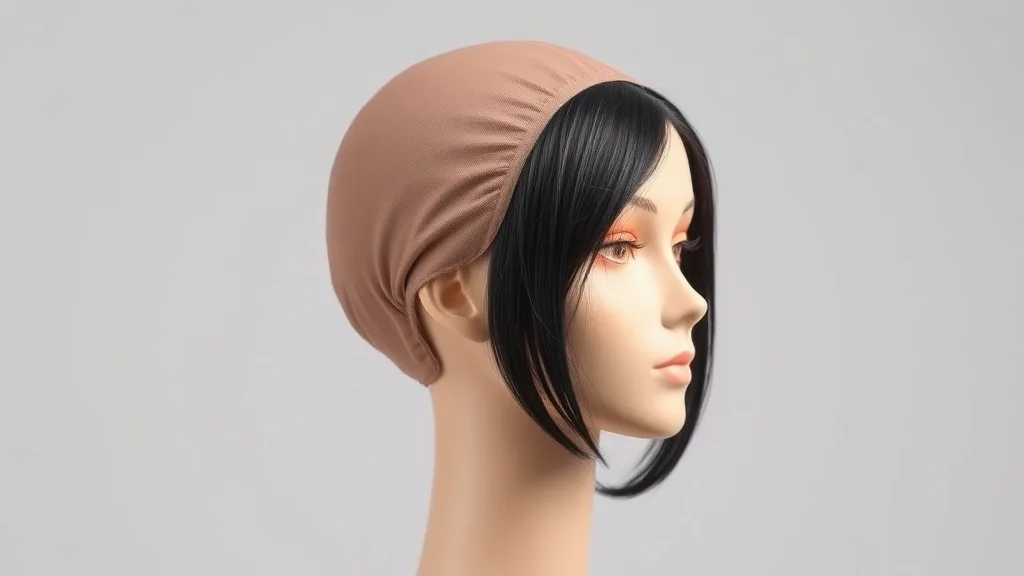
- A wig cap (optional but helpful for accuracy)
- A mirror you can see the back of your head (or a patient child to help)
The Step-by-Step Measuring Game
Let's turn measuring into a game. I call it 'Crown, Curve, and Catch' – because once you get the numbers, your wig will stay caught on your head! Here are the three measurements you need:
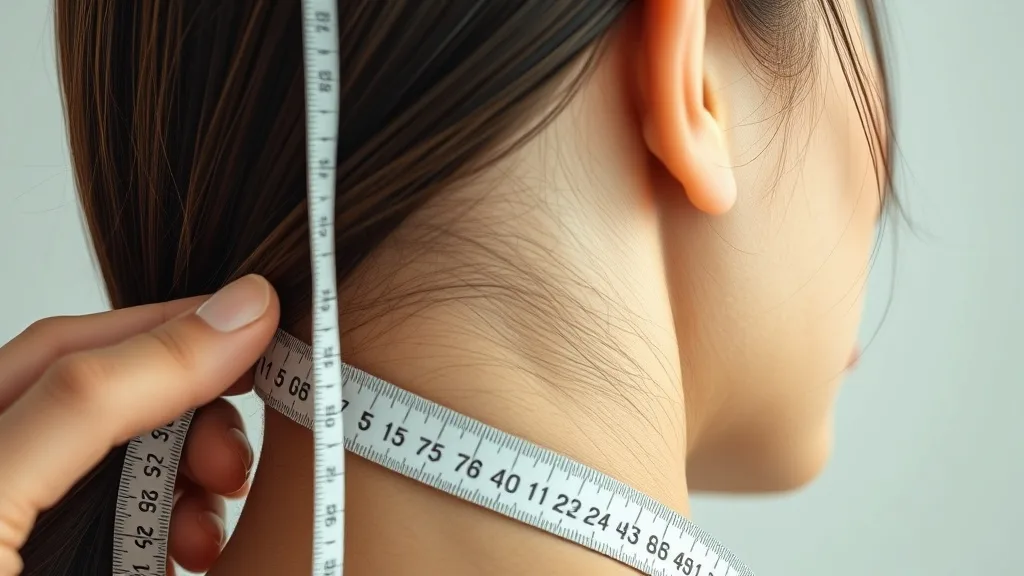
- Circumference: Wrap the tape around your head, just above your ears and eyebrows. Make sure it's snug but not tight. Write down the number.
- Front to Nape: Start at your hairline (forehead) and go over the top of your head to the nape of your neck. For convex heads, angle the tape slightly so it follows the curve of your crown.
- Ear to Ear: Measure across the top of your head from one ear to the other, just above the ears. This helps ensure the wig doesn't pinch or slide sideways.
Pro tip: If your head is especially convex, add an extra quarter inch to the 'front to nape' measurement. That little extra gives your wig room to accommodate the curve without feeling tight.
Mom-Tested Tricks for a Perfect Fit
My kids have taught me that the best solutions come from thinking outside the box (or outside the wig cap!). Here are a few tricks I've discovered:
- Use a wig grip band: It's like a headband with silicone – it grabs the wig and keeps it from sliding, even on the roundest head.
- Add combs or clips: Sew in a couple of small wig combs at the temples and nape. They 'hug' your convex shape like a friend giving a hug.
- Try a concave wig cap: Yes, they exist! These caps are shaped to fit rounder heads and reduce bulk.
- Do the 'shake test': Put your wig on and shake your head gently (like you're saying 'no' to a cookie before dinner). If it moves, you need more adjustment.
Common Pitfalls (and How to Dodge Them)
Even the best of us can make mistakes. Here are the ones I see most often:
- Measuring over too much hair: Always flatten your hair or use a wig cap. Loose hair can add inches and give you a false reading.
- Ignoring the back curve: Many people only measure the circumference. But for convex heads, the front-to-nape measurement is crucial.
- Using a too-small wig: It might seem secure, but it will likely ride up and cause a headache (and a grumpy mom!).
- Skipping the trial run: Once you have your measurements, test them with a cheap wig or a friend's wig before you invest in a pricey one.
Conclusion: You've Got This!
Measuring for a wig with a convex head isn't hard – it's just a little different. With these steps and a playful attitude, you'll find a fit that feels like it was made for you. And remember, even if the first attempt is a bit off, that's okay. Wigs are like kids – they need a little patience and a lot of love to get them just right. Happy measuring!