
Introduction
A well-fitting wig is the foundation of comfort and natural appearance. As a materials scientist specializing in wig polymers, I can tell you that even the finest synthetic or human hair wig will underperform if the fit is off. Accurate head measurement is the first critical step. Unlike elastic textiles, wig caps are engineered to minimal tolerance—typically ±0.5 cm in critical dimensions. This guide provides a systematic method to measure your head with scientific precision, ensuring your next wig hugs your scalp without slipping or pressure points.
Tools and Preparation
Before you begin, gather the following tools:
- Flexible, non-stretch measuring tape (cloth or plastic; avoid metal tapes that don't conform to curves)
- Hand mirror or a helper (for accuracy in posterior measurements)
- Hair clips or pins (to hold hair flat if necessary)
- A small notebook and pen to record each measurement
- Hair cap or wig grip (optional, to simulate wearing conditions)
Ensure your hair is in its natural state—no heavy products, braids, or extensions that alter head contours. If you wear a wig grip, wear it during measurement.
Step 1: Head Circumference (Fullest Part)
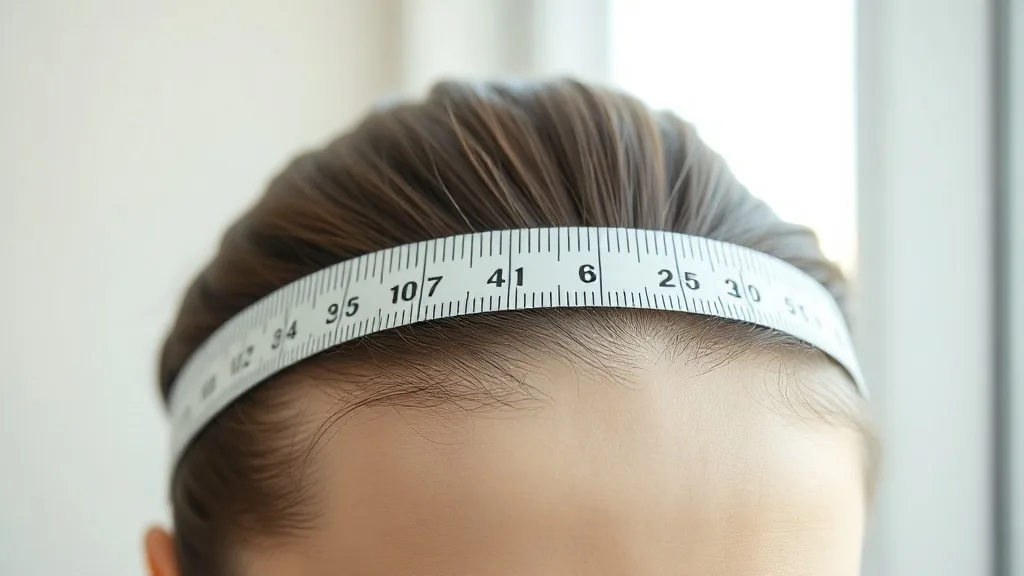
This is the primary measurement for wig size (petite, average, or large). Place the tape around your head, crossing the middle of your forehead (about 1 inch above your eyebrows), above your ears, and over the occipital protuberance (the bony bump at the back of your skull). The tape should be flat against your skin, snug but not tight—just a light contact. Record the circumference at the intersection of the tape ends. For most adults, this ranges 52–62 cm.
Step 2: Front to Nape Length
Measure from the center of your front hairline (at the peak of your forehead) straight back over the top of your head to the nape of your neck (where your skull meets the cervical spine). Keep the tape centered. This dimension determines how deep the cap needs to be. Wig caps typically offer 30–36 cm. A mismatch here causes the wig to ride up or shift forward.
Step 3: Ear to Ear Across Forehead
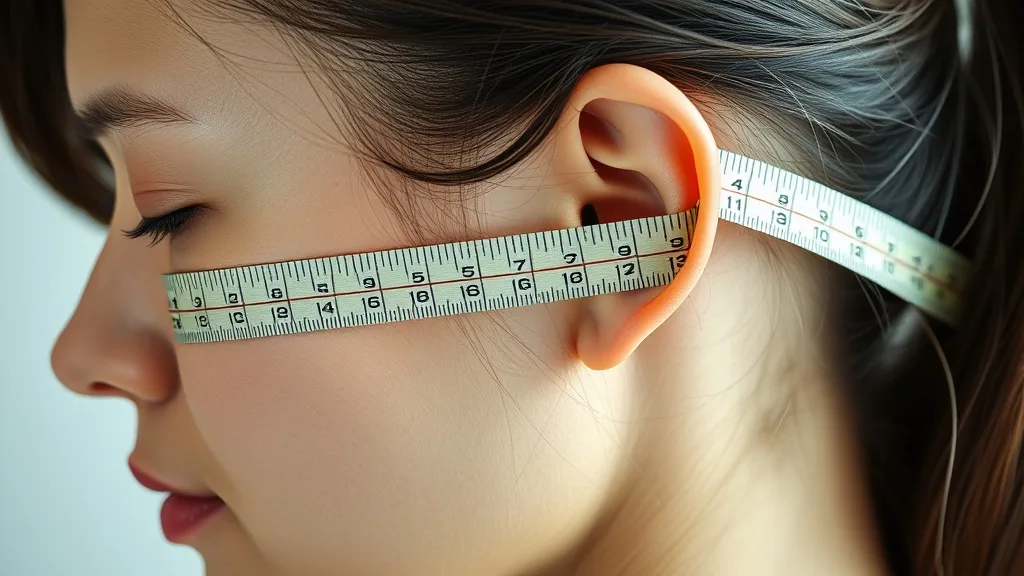
Start at the front of your ear (just at the temporal crease) and run the tape across the forehead, following the front hairline, to the same point on the other side. This measurement ensures the wig's lace front aligns naturally with your hairline. The average is 25–28 cm.
Step 4: Ear to Ear Over Top
Measure from the same starting point at one ear but now go over the top of your head to the other ear. The tape should pass across the crown (the highest point of your skull). This controls the width of the cap. Compare with Step 3: the difference indicates how rounded your head is.
Step 5: Temple to Temple Around Back
Begin at the temple (the point just above and in front of your ear) on one side, go behind the head at the occiput, and end at the opposite temple. This measurement defines the back curve of the cap. A too-short dimension can cause the wig to sit too far forward.
Step 6: Nape of Neck
Measure the horizontal width across the nape from one side of the neck to the other, about 1–2 inches below the hairline. Some caps have a nape strap; this ensures correct coverage.
Additional Measurements for Specific Wig Types
If you plan on a high-puff or ponytail wig, also measure from crown to nape. For monofilament wigs, an accurate crown circumference might be needed. Always consult your wig maker's size chart; many brands use their own naming conventions. As a general rule, measure twice, order once.
Common Mistakes and Tips
- Don't pull the tape too tight—it will cause the wig to be uncomfortably tight.
- Don't rely on hat sizes; wig sizing is more precise.
- Measure twice, especially if you are between sizes.
- If your measurements fall between standard sizes, choose the larger size and use adjustable straps or pads.
- Keep hair flattened; thick hair can add up to 2 cm to circumference.
- Record measurements in centimeters; most wig charts use metric.
Conclusion
Accurate head measurement transforms wig wearing from a guessing game into a science. With these six dimensions, you can confidently select or custom-order a wig that will remain secure and comfortable all day. At Wigplace, we recommend revisiting measurements every two years, as subtle bone and tissue changes occur with age. Precision pays off—your wig will look natural and feel like a second skin.