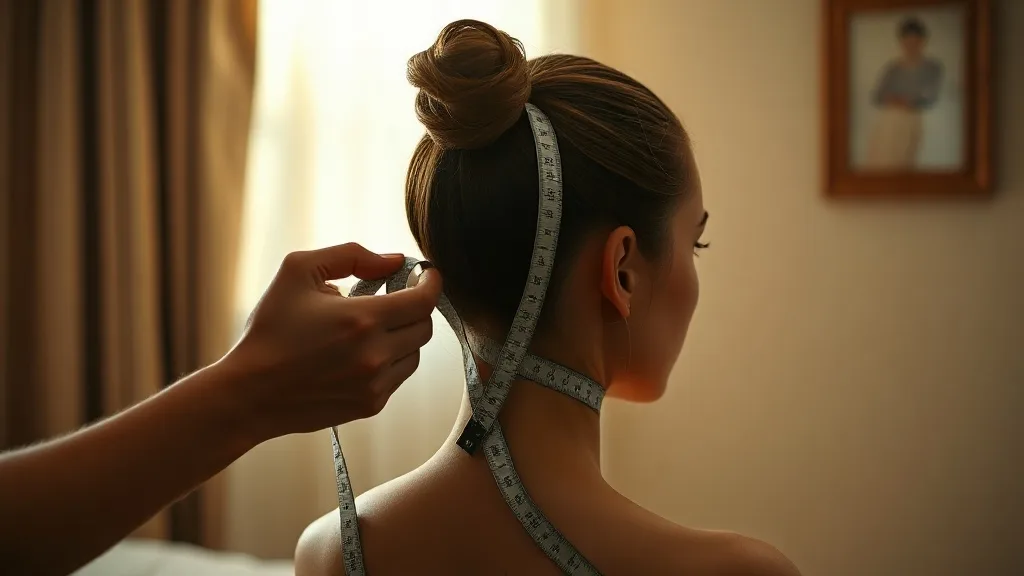

As a bridal wig stylist, I’ve seen the joy in a bride’s eyes when her wig fits like it was made for her. But I’ve also seen the frustration when the nape—the delicate curve at the back of the head—isn’t given the attention it deserves. A flat nape is more common than you think, and measuring it correctly is the secret to a wig that stays put and feels as though it were born from your own scalp.
What Is a Flat Nape and Why Does It Matter?
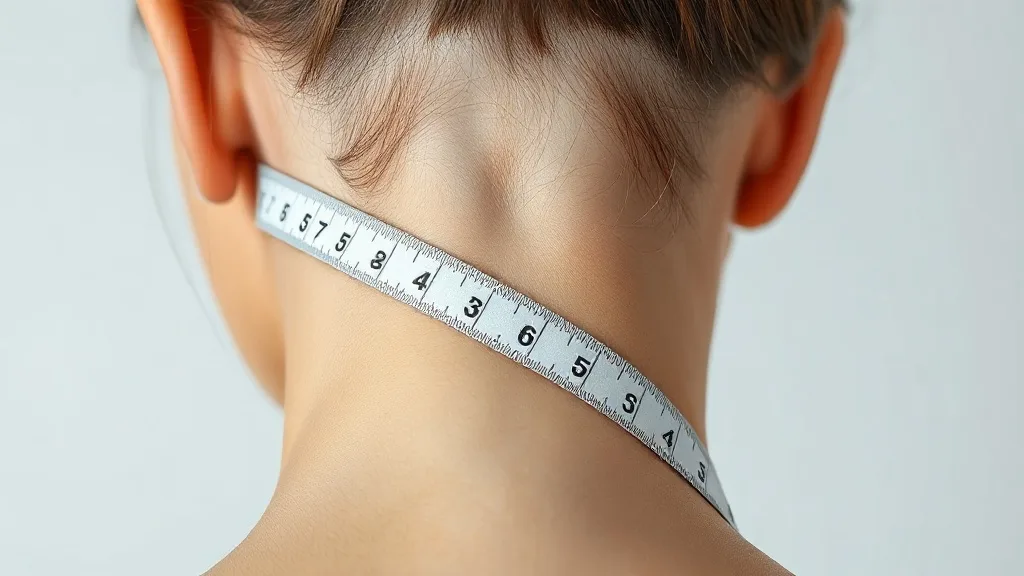
The nape is the area where your neck meets the back of your skull. For some, this contour is gently curved; for others, it is naturally flatter. A flat nape can cause a wig to gape, slip, or ride up, especially during movement. Imagine dancing at your wedding—the last thing you want is to adjust your hair. Understanding this subtle geometry is the first step to a flawless fit.
Tools You’ll Need
Before you begin, gather a flexible measuring tape (not a stiff ruler), a handheld mirror, a hair clip to hold your hair away, paper and pen, and a satin headband. The headband mimics the grip of a wig cap and helps you visualize the fit. Trust me, these simple tools will save you hours of frustration.
Step 1: Find Your Natural Hairline
Stand with your back to a large mirror and hold a small mirror to see your nape. Run your fingers along the back of your neck until you feel a subtle change in texture—that’s your natural hairline. For a flat nape, this line often sits higher than expected. Mark it with a tiny dot of eyeliner or a pin. This point is your anchor.
Step 2: Measure the Nape Width
Place the measuring tape at the top of one ear, just behind the ear cartilage, and gently guide it along your nape hairline to the same point on the other ear. Keep the tape snug but not tight. This measurement determines how the wig’s nape tabs will sit. Write it down. For a flat nape, you may find this number is smaller than standard—don’t worry, it’s normal.
Step 3: Measure the Nape Depth
From the crown of your head (the highest point), let the tape run vertically down the back of your head to the nape hairline. This depth ensures the wig won’t ride up when you move. A flat nape often requires a slightly deeper measurement—add a quarter inch to account for the lack of curve. Record it with a soft pencil.
Step 4: Account for the Curve
Here’s the secret step: measure the contour. Starting at one ear, trace the tape around the back of your head, following the natural dip just below the occipital bone, to the other ear. This is the U-shaped path your wig will follow. For a flat nape, subtract a quarter inch from this measurement to create a tighter, more secure fit. Think of it as a gentle hug for the back of your head.
Step 5: Check the Circumference
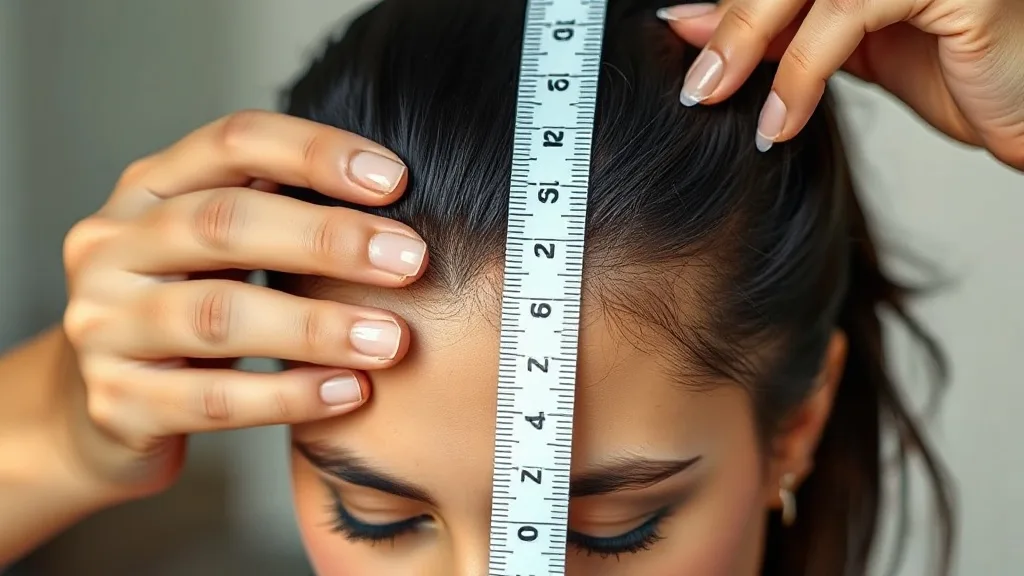
Standard wig circumference is measured around the hairline: forehead, temples, ears, and nape. But with a flat nape, the tape may dip lower than expected. Measure from the center of your forehead, around the back, and back to the center. If the nape feels loose, you may need a smaller circumference or a wig with adjustable nape straps. For brides, I recommend a custom fit—your day deserves perfection.
Professional Tips for Brides
Once you have your measurements, try a wig with adjustable tabs and a silicone grip. During your final fitting, wear your wedding hair accessories—veil, tiara, flowers—to ensure nothing shifts. If you’re still concerned, a tiny dab of wig tape along the nape is invisible and gives you peace of mind. I tell every bride: measure twice, wear once—with confidence.
Your flat nape is not a flaw; it’s a unique feature. With these steps, your wig will not only fit but will feel like a part of you. And on your wedding day, as you turn to face your future, your hair will stay perfectly in place—because you measured for it.