
Why Ear-to-Ear Distance Matters
When it comes to wig fitting, most people focus on head circumference, but experienced wig wearers and stylists know that ear-to-ear distance is the secret to a truly comfortable and natural-looking fit. This measurement, taken from just above one ear across the top of the head to the same point above the other ear, reveals the shape and depth of your head, which directly impacts how a wig will sit, feel, and stay in place.
At Wigplace, we believe every head deserves a perfect fit. As a designer specializing in plus-size wigs, I've seen how the wrong ear-to-ear measurement can lead to discomfort, slippage, or an unnatural hairline. That's why I always tell my clients: know this number, and you'll never struggle with ill-fitting wigs again.
How to Measure Ear-to-Ear Distance
Measuring your ear-to-ear distance is simple and requires only a flexible tape measure. Here's a step-by-step guide:
If you don't have a tape measure, use a string and then measure it against a ruler. For the most accurate result, measure twice and take the average.
What Your Ear-to-Ear Measurement Reveals
Your ear-to-ear distance gives insights into your head shape and volume needs:
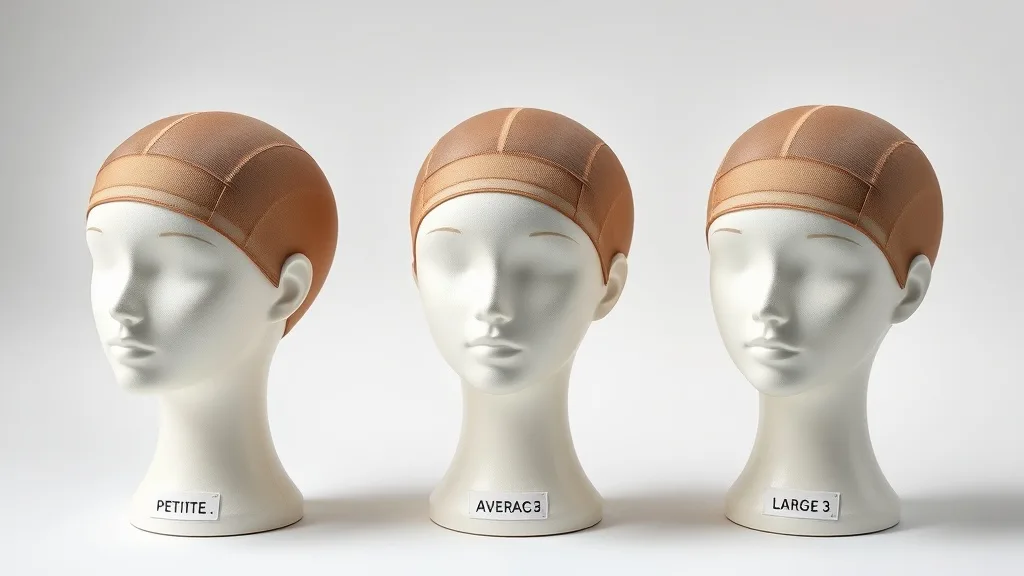
- Less than 12 inches (30.5 cm): Indicates a narrower, more petite head shape. Look for wigs labeled 'petite' or with adjustable straps that can be tightened.
- 12 to 13.5 inches (30.5–34.3 cm): Average range. Most standard wigs will fit well, but pay attention to the cap construction and depth.
- More than 13.5 inches (34.3 cm): Suggests a wider or deeper head shape. This is common for plus-size heads. Seek out 'large' or 'plus-size' wigs with extra depth and width. Many standard wigs may feel too tight or ride up.
At Wigplace, we carry a wide range of sizes, including our exclusive PlusFit™ line designed for ear-to-ear measurements up to 15 inches. You deserve a wig that feels like it was made for you.
How Ear-to-Ear Distance Affects Wig Fit
Wigs are constructed with specific cap depths. The ear-to-ear measurement corresponds to the 'depth' of the wig, from the front hairline to the nape. If your ear-to-ear distance is larger than the wig's depth, the wig will sit too far forward or feel tight at the temples. If it's smaller, the wig may slip back or have excess fabric at the ears.
That's why I always recommend measuring both circumference and ear-to-ear. Together, they give a complete picture of your head shape. For example, two women with the same circumference can have very different ear-to-ear distances, requiring different wig sizes.
Tips for Wig Shopping with Your Ear-to-Ear Measurement
- Check the product specifications: Look for 'cap depth' or 'ear-to-ear' dimensions in the description.
- Look for adjustable features: Velcro straps, elastic bands, and combs can help customize the fit.
- Consider wig type: Monofilament and lace front wigs often offer more flexibility in fitting different head shapes.
- Don't assume 'one size fits most' will work for you: Many wigs are designed for average measurements. Always verify.
At Wigplace, we list ear-to-ear measurements for every wig in our store. We also offer free virtual consultations—send us your measurements, and we'll help you find the perfect match.
Embracing All Head Sizes
Your head is beautiful, and it deserves a wig that celebrates its unique shape. Whether you're a petite 11 inches or a generous 15 inches, there is a wig out there that will fit you comfortably and securely. Don't settle for a wig that pinches, slips, or feels like a compromise.
As a designer, my mission is to create wigs that empower every woman, regardless of head size. So measure your ear-to-ear distance, explore our size-inclusive collection, and discover the joy of a wig that truly fits. You're worth it.