
Why Safe Wig Glue Removal Matters
As a wig stylist working in theater, I’ve seen it all—from wigs that have been glued on for weeks to performers who use the wrong remover and end up with irritated scalps. Removing wig glue safely is crucial not only for the longevity of your wig but also for the health of your skin and hairline. Harsh removal methods can cause traction alopecia, break down lace, and leave sticky residue. Let me walk you through the professional techniques I use backstage that work just as well at home.
What You’ll Need
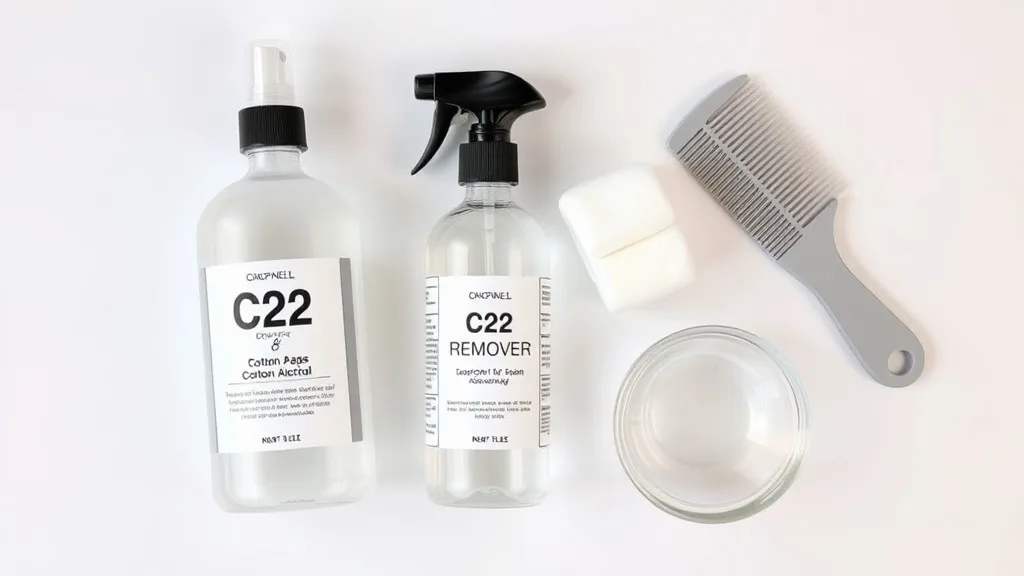
Before you start, gather these essentials to make the process smooth and safe:
- A gentle oil-based remover (like C22, Walker Tape, or even coconut oil)
- Cotton pads or soft cloths
- A fine-tooth comb or wig brush
- Isopropyl alcohol (70% or higher) for final residue removal
- A wide-tooth comb for detangling after removal
- A gentle shampoo and conditioner for your wig
Step 1: Test the Remover on a Small Area
Always patch test the remover on a small section of your skin (like behind your ear) to ensure no allergic reaction. Also, dab a tiny bit on an inconspicuous part of the wig lace to check for colorfastness. In theater, we often have to use heavy-duty adhesives but we never skip this step—better safe than sorry.
Step 2: Apply the Remover Generously
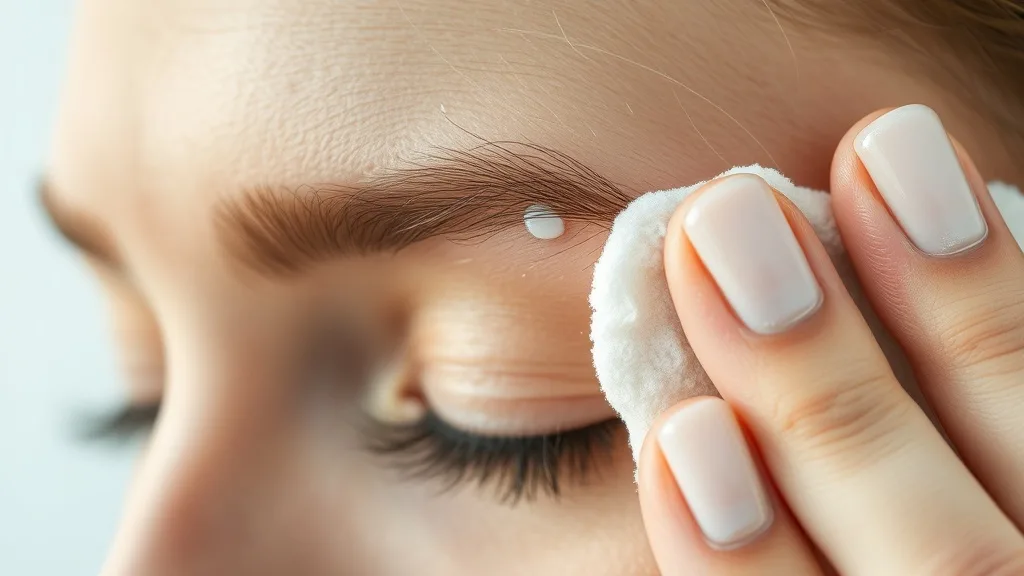
Dip a cotton pad in your chosen remover and press it against the glued area. Let it sit for 30 seconds to a minute to break down the adhesive. For stubborn glue, you can apply more remover and let it soak longer. Avoid rubbing vigorously, as that can damage the lace.
Step 3: Gently Peel the Wig Away
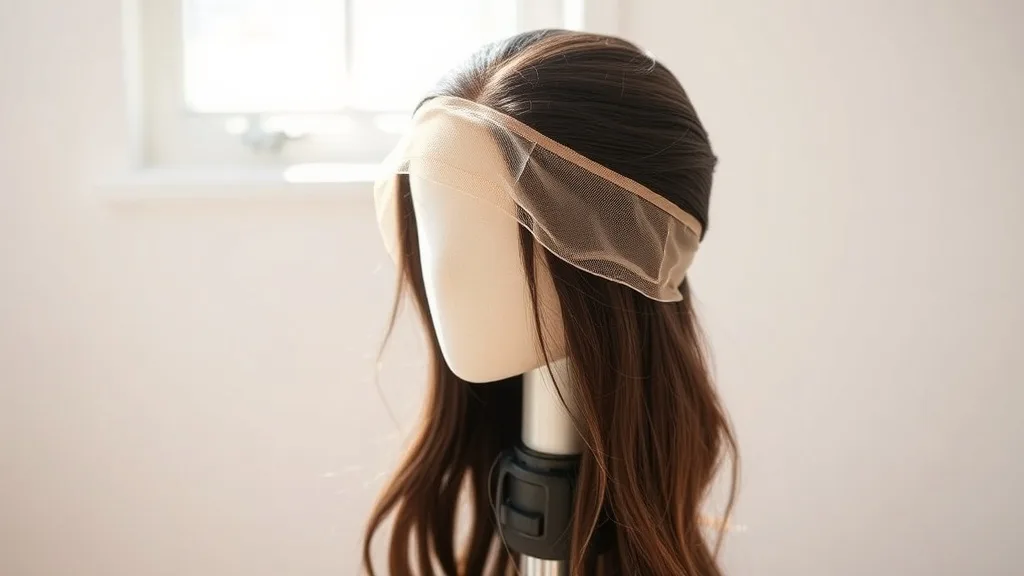
Once the glue softens, use your fingers or a fine-tooth comb to lift the wig gently from the skin. Work in small sections from the edges inward. If you feel resistance, apply more remover rather than pulling. This method preserves the delicate lace and prevents tearing.
Step 4: Remove Residual Glue from Skin
After the wig is off, you’ll likely have glue left on your forehead or scalp. Dampen a cotton pad with isopropyl alcohol and gently wipe the area. Follow with a mild cleanser and moisturizer to soothe the skin.
Step 5: Clean and Condition Your Wig
Now give your wig some TLC. Use a gentle shampoo to remove any remaining glue and oil, then apply a conditioner to restore softness. Let it air dry on a wig stand. In the theater, we often have multiple wigs per show, so proper aftercare keeps them performance-ready.
Common Mistakes to Avoid
- Using acetone or nail polish remover – these can dissolve wig fibers and irritate skin.
- Pulling the wig off dry – always use a remover to avoid tearing.
- Skipping the patch test – you don’t want an allergic reaction during a show.
- Over-scrubbing the lace – gentle motions protect the wig’s structure.
Final Thoughts
Removing wig glue safely is a skill every wig wearer should master. Whether you’re a theater performer, a cosplayer, or someone who wears wigs daily, these techniques will keep your wigs looking beautiful and your skin healthy. Remember: patience is key. Rushing the process can lead to damage that’s costly to fix.