

Welcome, dear wig enthusiasts, to the magical world of wig dyeing! I'm Phillip Young, your whimsical guide through this enchanting process. With a sprinkle of patience and a dash of magic, I'll show you how to transform your wig's color without a trace of damage. Whether you have a synthetic fiber or precious human hair, this guide will ensure your wig emerges more beautiful than ever.
Know Your Wig Fiber
Before we wave our wands, we must understand the material we're working with. Synthetic wigs and human hair wigs are as different as feathers and fur. Dyeing them requires distinct approaches. Human hair can be dyed like your own locks, but synthetic fibers need special dyes—or they may melt! Always check the label: if it's synthetic, use only fabric dye or specialized wig dye. Human hair? You can use regular hair dye, but go gentle.
- Synthetic wigs: Use only synthetic-safe dyes; never regular hair color.
- Human hair wigs: Use semi-permanent or demi-permanent dyes for less damage.
- Always perform a strand test to see how the fiber reacts.
Gather Your Supplies
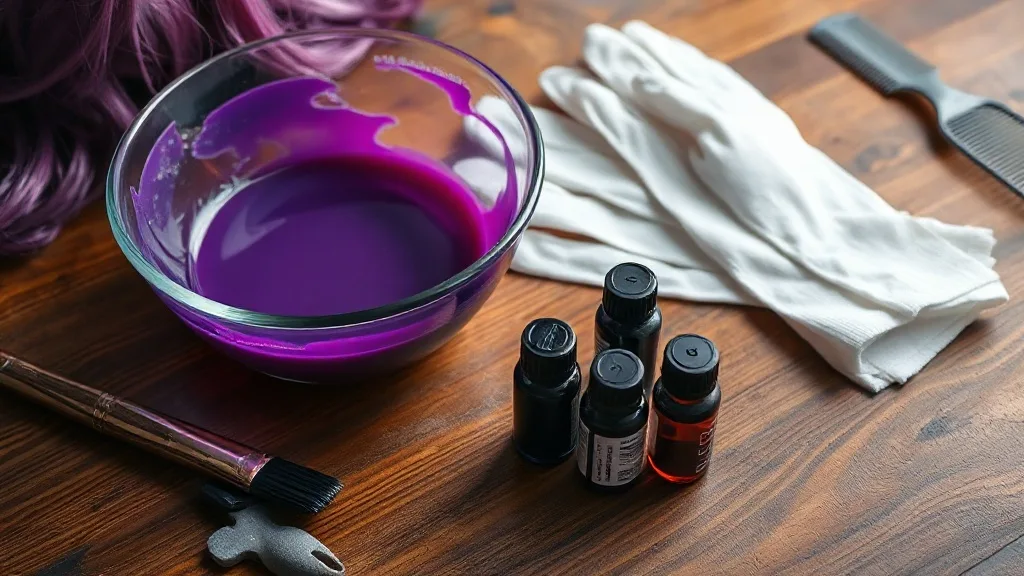
Every wizard needs their potions and tools. Here's your magical kit for a successful dye job:
- Wig brush or wide-tooth comb for detangling
- Gentle shampoo and conditioner (sulfate-free)
- Dye appropriate for your wig fiber (synthetic or human hair)
- Mixing bowl and tint brush
- Gloves to keep your hands pristine
- Plastic wrap or a shower cap
- Timer to avoid over-processing
- Cold water for rinsing
The Preparation Ritual
A clean canvas is essential. Gently wash your wig with a mild shampoo to remove any oils or product buildup. For synthetic wigs, use cool water; for human hair, lukewarm is fine. Pat dry with a towel—never wring or twist. Detangle with a wide-tooth comb from ends to roots. Now your wig is ready to receive the color.
Mixing the Potion
In a non-metallic bowl, mix your dye according to package instructions. For human hair, add a developer if needed; for synthetic, no developer required. Stir into a smooth, even consistency. If you're aiming for a custom shade, combine colors thoughtfully—like a true alchemist. Remember: it's easier to go darker than lighter.
The Dyeing Process
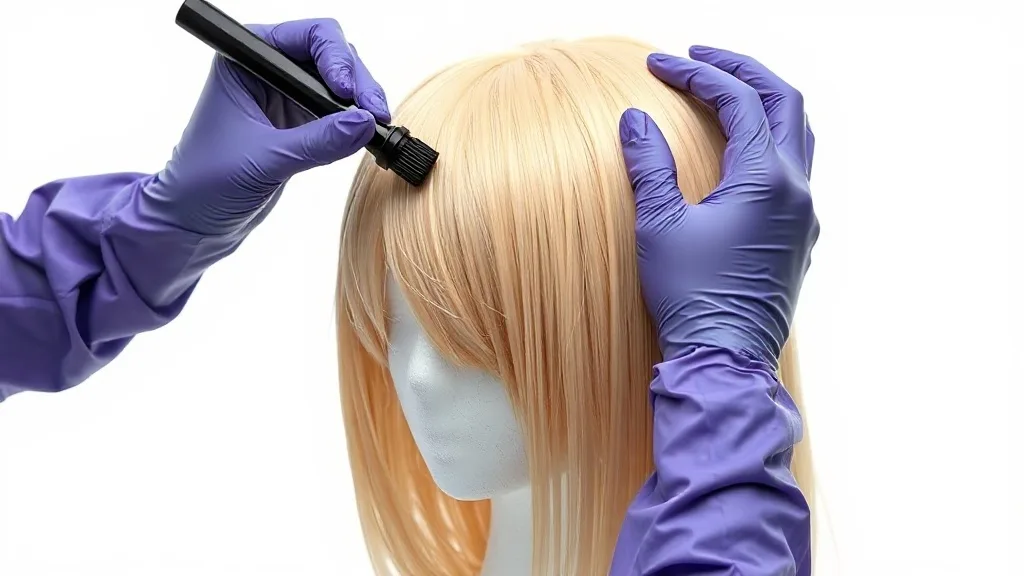
Work on a covered surface. Put on your gloves. Section the wig with clips so you can apply dye evenly. Using the tint brush, start from the roots and work down to the ends, saturating each strand. For synthetic wigs, be extra gentle—the fibers are delicate. Once fully coated, cover the wig with plastic wrap to keep it moist. Let it sit: for synthetic, about 30 minutes; for human hair, follow dye instructions (usually 20-45 minutes). Don't let it dry out!
Rinse and Reveal
When time is up, rinse the wig with cool water until the water runs clear. Never use hot water—it can set stains or damage fibers. Apply a gentle conditioner, let it sit for a few minutes, then rinse again. Pat dry with a towel and place on a wig stand to air dry. Avoid heat styling until fully dry.
Troubleshooting Common Disasters
Even the best wizards face mishaps. Here are fixes for common woes:
- Uneven color: Reapply dye to lighter patches and let sit for 10 minutes.
- Too dark: Wash with a clarifying shampoo or use a color remover (human hair only).
- Faded dye: Refresh with a semi-permanent color gloss.
- Synthetic melted: Unfortunately, this is irreversible—always strand test first!
Final Enchantment
Once your wig is dry, style it as desired. Use low heat settings for human hair; synthetic wigs are heat-sensitive, so avoid hot tools unless they're specifically labeled heat-friendly. A spritz of shine spray will add a magical luster. Step back and admire your work—you've successfully dyed a wig without a trace of damage!
Remember, dear reader, patience and practice are your greatest spells. With each wig you dye, you'll gain confidence and skill. Now go forth and color your world—magically. Until next time, this is Phillip Young, wishing you happy wigging!