A Universal Thread
As a wig maker, I’ve always been fascinated by the way hair—or the lack of it—shapes identity. Wigs aren’t just accessories; they are cultural artifacts, woven from history, status, and belief. From the scorching sands of Egypt to the refined tea houses of Japan, wigs have adorned heads for millennia. Let’s take a look at how different cultures have used wigs, and what we can learn from their artistry.
Ancient Egypt: Wigs as Sun Shields and Social Shields
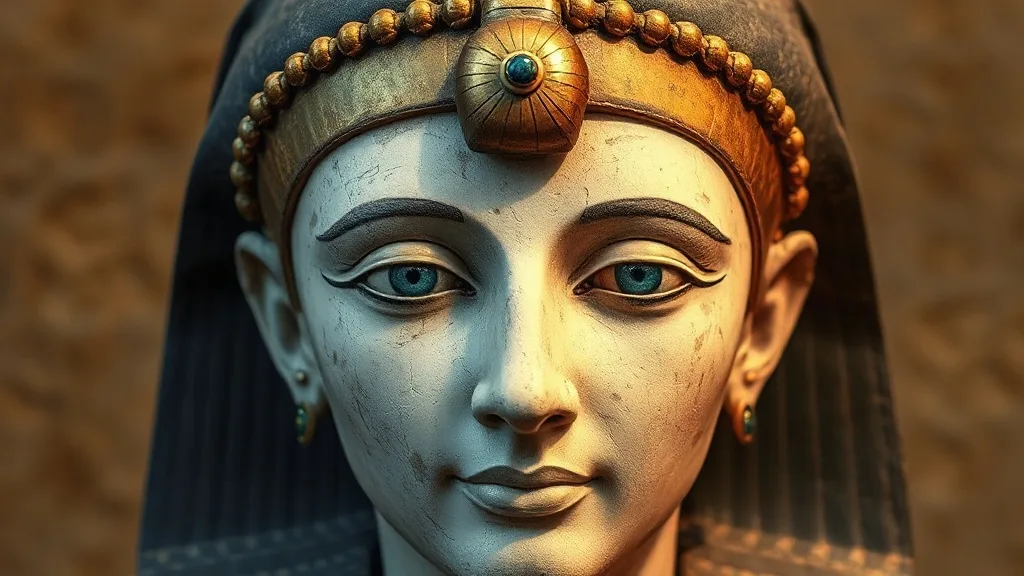
The earliest documented wigs come from ancient Egypt, around 2700 BCE. Egyptians shaved their heads for hygiene and heat, then donned wigs made from human hair, sheep’s wool, or plant fibers. A wig was a status symbol: the more elaborate, the higher your rank. Pharaohs wore braided or curled wigs with gold beads, while commoners used simpler versions. I admire how Egyptian wig makers used beeswax and resin to hold styles—a rudimentary but effective hairspray.
- Materials: human hair, wool, palm leaves
- Styles: braided, curled, layered
- Purpose: sun protection, social status, religious ceremony
Classical Greece and Rome: Fashion and Vanity
In ancient Greece and Rome, wigs were associated with fashion and theatrical performance. Wealthy Roman women bleached their hair or wore blonde wigs made from captured Germanic slaves. The Greeks used wigs in theater to denote character types. As a meticulous craftsman, I appreciate the Roman fondness for intricate curls and the use of pins and frames to create towering styles. These early tools are ancestors of our modern wig caps and clips.
East Asia: The Geisha’s Sacred Coiffure
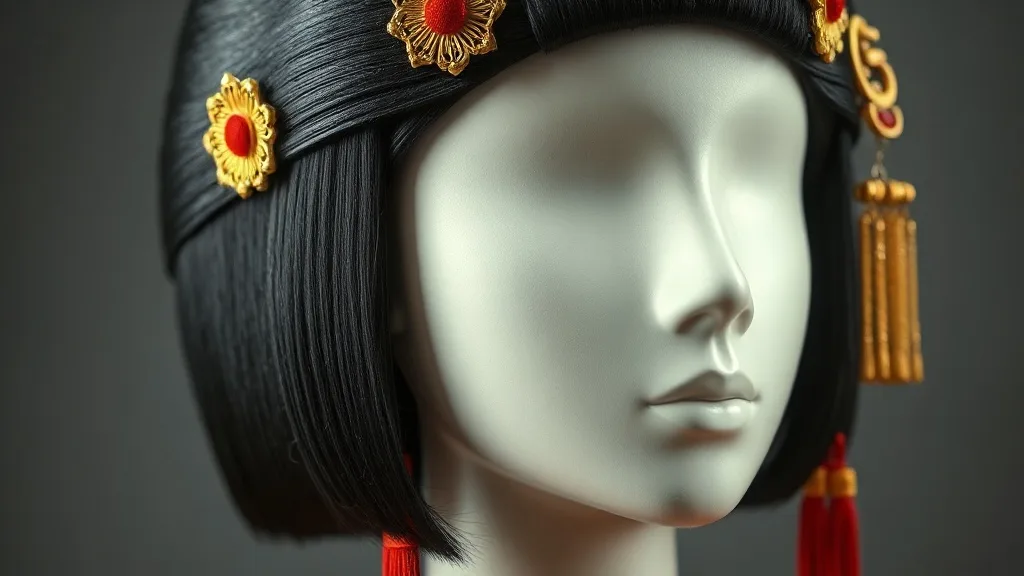
In Japan, wigs (katsura) are integral to traditional performing arts. Geisha wear elaborate silk-lined wigs with precise shapes representing different life stages. Creating a katsura is a painstaking process: each strand is sewn into a silk base, and ornaments are added by hand. The weight and balance must be perfect—a lesson in patience I apply to my own custom pieces. Similarly, in Korea, the gache was a heavy, jeweled wig worn by noblewomen during the Joseon dynasty, later banned for its extravagance.
- Japan: katsura for geisha and kabuki
- Korea: gache worn by aristocrats
- Both require meticulous handcrafting and symbolic meaning
Africa: Art and Identity in Every Strand
Throughout Africa, hair has always been a canvas. Wigs, extensions, and elaborate braiding communicate tribal identity, marital status, and spirituality. In ancient Egypt, wigs were part of daily life. In West Africa, the Yoruba and Mende peoples create sculptural headpieces using fibers, beads, and shells—often named “crowns” for their importance. I am humbled by the artistry of these traditions, where each wig tells a story of community and heritage.
18th Century Europe: The Powdered Tower
European wigs reached their zenith in the 1700s, when powdered wigs (perukes) symbolized nobility and professionalism. These wigs were often made from horsehair or goat hair, whitened with flour or starch. The larger the wig, the more prestigious—some required wire frames and yards of fabric. While I prefer natural-looking pieces today, I respect the engineering that went into those towering creations. They were, after all, an early form of wearable architecture.
Modern Times: A Global Conversation
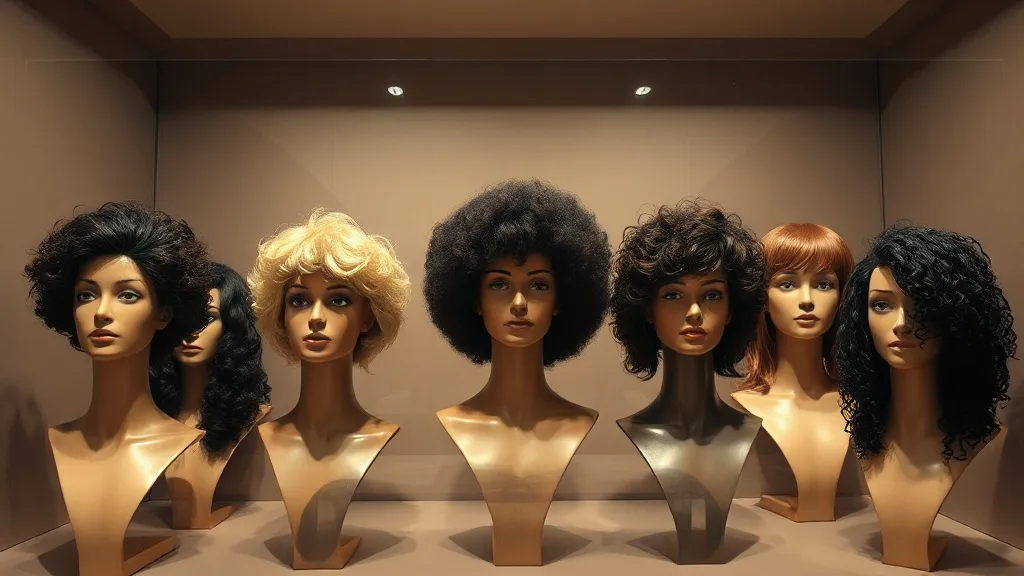
Today, wigs are worn for medical reasons, fashion, and cultural celebration. In many African American communities, wigs allow for versatile styling without damaging natural hair. In Japan, wigs remain essential for traditional performances. And here at Wigplace, we honor this heritage by offering handcrafted pieces that blend old-world skill with modern comfort. Whether you wear a wig for necessity or creativity, you’re part of a tradition that spans continents and centuries. That connection keeps me passionate about my craft.