
The Strain on Strands: How Braids Can Damage Hair
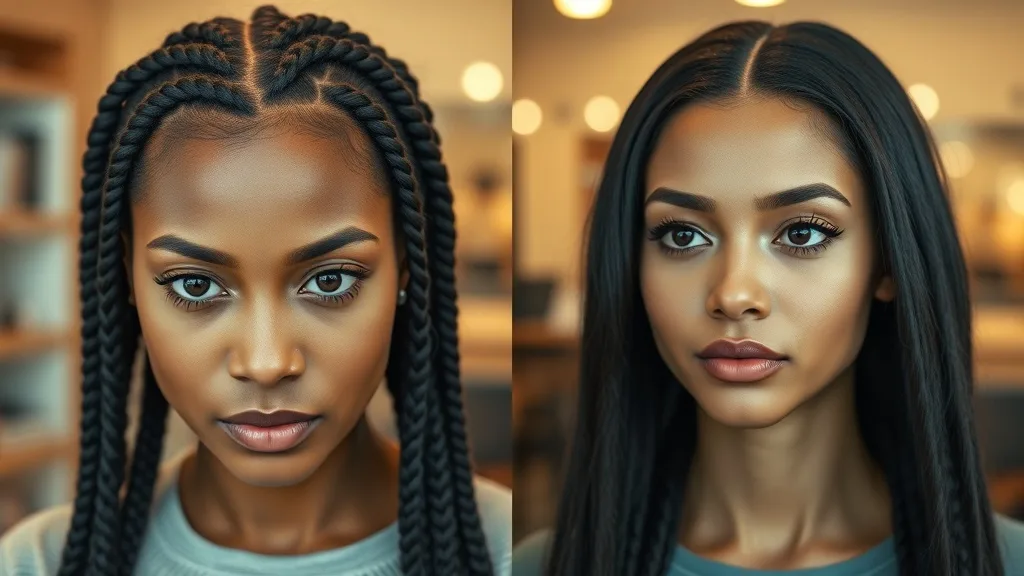
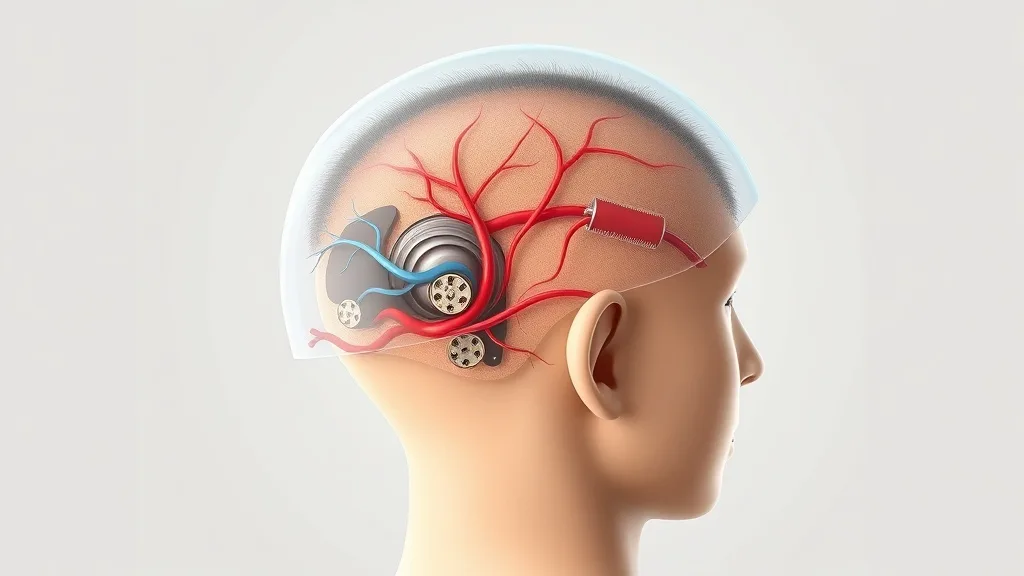
Braids are often recommended as a protective style, but from a material science perspective, they impose significant mechanical stress on hair fibers. The tension required to create tight braids can exceed the tensile strength of the hair shaft, leading to cuticle lift, fraying, and even fracture. Over time, this repeated stress at the root can cause traction alopecia—a form of hair loss due to constant pulling. The scalp’s blood supply is also compromised under tight braids, reducing nutrient delivery to follicles.
Wigs: A Zero-Tension Solution
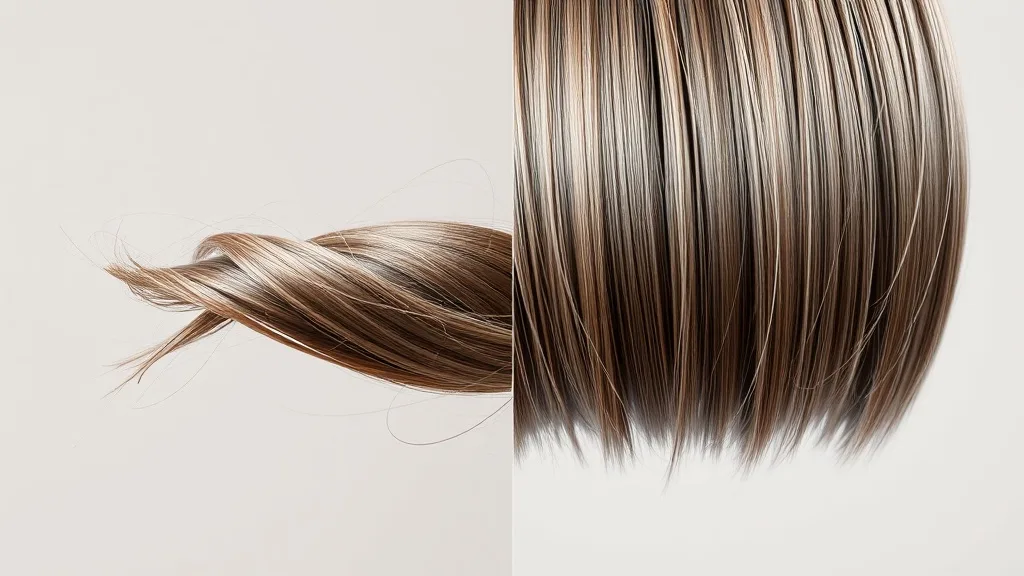
Wigs, on the other hand, exert zero tensile force on natural hair. The wig cap—often made from breathable materials like monofilament or lace—sits gently on the scalp, distributing weight evenly. This eliminates the strain that causes breakage and allows the hair to rest completely. From a polymer chemistry standpoint, the absence of mechanical load means the hair's internal keratin structure remains intact, preserving its elasticity and moisture content.
Scalp Health and Moisture Retention
A healthy scalp is essential for hair growth. Braids can trap sweat, oil, and product residue against the scalp, creating a breeding ground for bacteria and fungi. The tight weave also restricts airflow, leading to dryness and flaking. Wigs, especially those with open weft construction or hand-tied caps, allow for excellent ventilation. This promotes a balanced microbiome and prevents moisture loss. Scientific studies show that wigs can reduce transepidermal water loss from the scalp, keeping hair hydrated.
Customization and Versatility Without Compromise
One of the greatest advantages of wigs is the ability to change styles without subjecting natural hair to heat, chemicals, or stress. Whether you want straight, curly, or colorful hair, a wig made from high-quality synthetic fibers or human hair delivers consistent results. The materials are engineered to mimic natural hair's optical properties—like refractive index and luster—while withstanding repeated styling. This versatility comes without the cumulative damage that braids can cause.
The Verdict: A Mathematically Superior Choice
When evaluating protective styles through the lens of material science, wigs emerge as the clear winner. They eliminate mechanical stress, optimize scalp health, and offer limitless customization. For anyone serious about preserving hair integrity, the data supports making wigs your primary protective strategy. So next time you consider braids, remember: the numbers don't lie.