Introduction: The Wig That Breathes
If you’re new to the world of wigs, you’ve probably run into terms like “lace front,” “monofilament,” and “capless.” A capless wig (also called a “wefted cap” or “open-cap wig”) is one of the most common and affordable wig constructions. But don’t let the name fool you—it does have a cap! The “capless” refers to the open, wefted design that allows maximum airflow. As a custom wig designer who has worked with every cap type imaginable, I can tell you: capless wigs are the unsung heroes of the wig world. They’re perfect for hot days, active lifestyles, and anyone who wants a lightweight, natural-looking option without breaking the bank.
How a Capless Wig Is Made
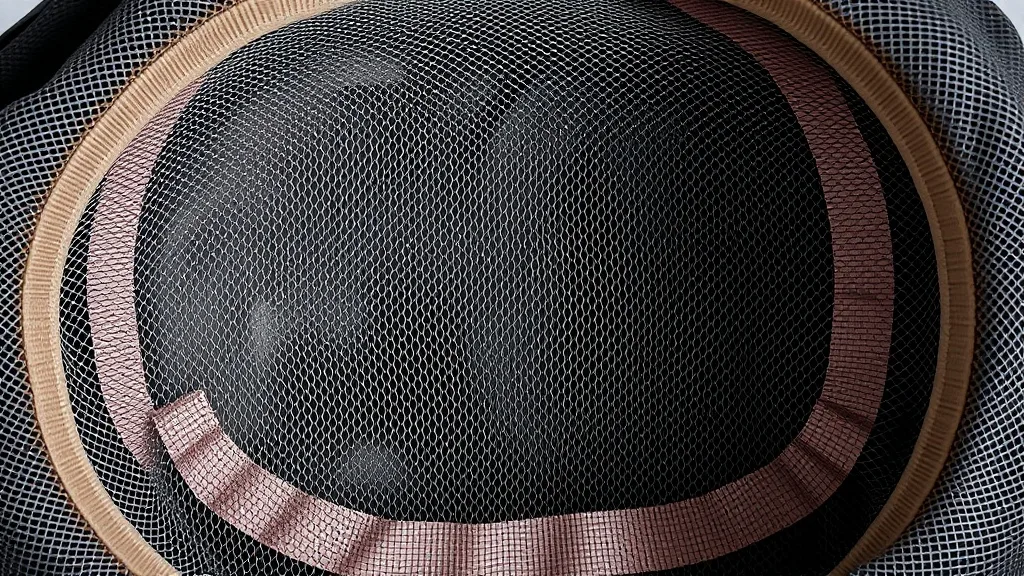
The construction of a capless wig is surprisingly simple. Instead of a solid fabric cap, the base consists of wefts (strips of hair) sewn onto a series of elastic straps. The wefts are spaced apart, leaving open areas of skin visible. This open design is what makes capless wigs so breathable and lightweight. The perimeter of the wig usually has a lace front or a thin, monofilament part line to create a natural-looking hairline. The rest of the cap is the open wefting.
- Wefts are machine-sewn onto elastic bands that run horizontally and vertically.
- The open areas allow air to circulate, keeping your scalp cool.
- The cap is adjustable with straps and combs at the nape and temples.
- Hair is usually synthetic or human hair; the construction is the same for both.
Benefits of Capless Wigs
Why would anyone choose a capless wig over more expensive options like full lace or monofilament? Here are the biggest advantages:
- Breathability: The open wefts let air flow freely, making it ideal for warm climates or active users.
- Lightweight: With less material, capless wigs are incredibly light—you might forget you’re wearing one.
- Affordability: Capless wigs are typically the most budget-friendly option, often costing half as much as lace front wigs.
- Easy to style: The wefts allow for flexibility in parting and styling, though not as versatile as lace front or full lace wigs.
- Quick drying: After washing, the open cap dries much faster than solid cap wigs.
Drawbacks to Consider
No wig is perfect, and capless wigs have their downsides. Here’s what you should know before buying:
- Less natural parting: The open wefts mean you can’t freely part the hair in any direction. The wig is designed for a specific part and may not conceal your natural hair as well as a monofilament or lace wig.
- Visible wefts: If the wig is not well-made or if you wear it in a high ponytail, the wefts may be visible.
- Less durable: The wefts and elastic can wear out faster than solid caps, especially with frequent styling or washing.
- Limited updos: Because the wefts are exposed underneath, high buns or ponytails can reveal the construction.
Capless vs. Other Wig Types
Let’s compare capless wigs to the two other most common cap constructions: lace front wigs and monofilament wigs.
Capless vs. Lace Front
Lace front wigs have a sheer lace panel at the front that mimics a natural hairline. The rest of the cap is usually wefted (similar to capless) or a solid material. Lace fronts offer a more realistic hairline and allow you to style hair away from the face. However, they are more expensive and require adhesive or tape for a secure fit. Capless wigs, on the other hand, are less realistic but more breathable and affordable.
Capless vs. Monofilament
Monofilament wigs use a sheer, lightweight mesh at the crown to create the illusion of hair growing from the scalp. This allows for multi-directional parting and a very natural look. Monofilament wigs are top-of-the-line for realism but come with a higher price tag. Capless wigs can’t match that level of realism, but they excel in ventilation and weight.
Who Should Wear a Capless Wig?
Capless wigs are great for:
- Beginners who want an affordable starter wig.
- Anyone living in a hot or humid climate.
- People with sensitive scalps who need breathability.
- Those who prefer a lightweight, low-maintenance wig.
- Active individuals who exercise or sweat frequently.
They may not be ideal for those who want maximum styling versatility or have total hair loss and need a secure, natural look for all angles.
Styling and Maintenance Tips
Caring for a capless wig is straightforward:
- Wash gently with sulfate-free shampoo and cool water—never scrub the wefts vigorously.
- Let it air dry on a wig stand to maintain shape.
- Avoid excessive heat styling if synthetic; use low heat on human hair capless wigs.
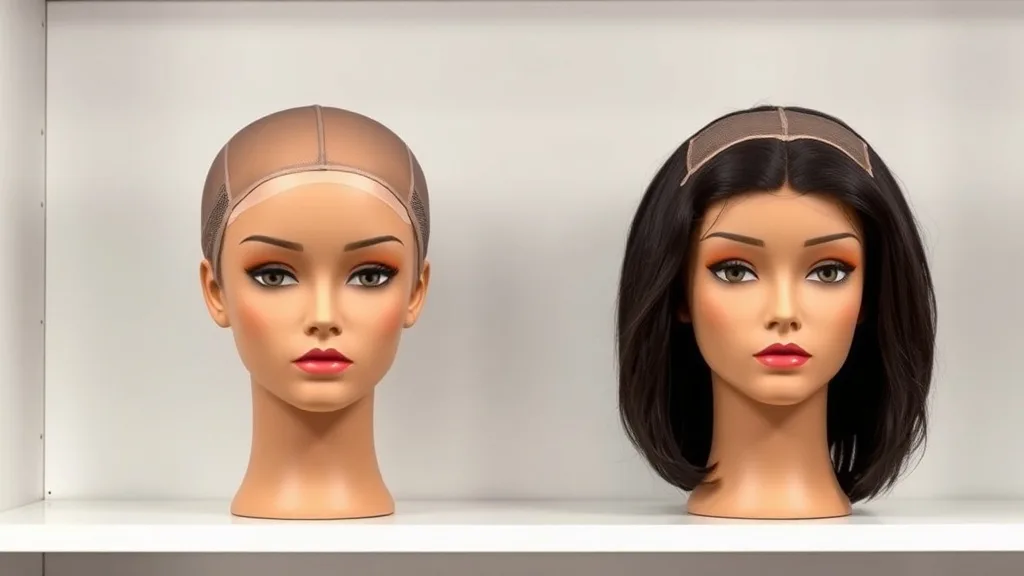
- Store on a mannequin head to prevent tangling.
- Replace the wig every 4-6 months with regular wear.
For styling, capless wigs work best with their pre-designed part. You can add waves or curls, but avoid tight ponytails that expose the cap. Use a wide-tooth comb or your fingers to detangle.
Final Thoughts: Bold, Breathable, and Budget-Friendly
As a wig customizer who loves a challenge, I appreciate capless wigs for their simplicity and efficiency. They’re not the flashiest option, but they deliver where it counts: comfort, price, and ease of use. If you’re just starting your wig journey or need a reliable everyday piece, a capless wig might be your perfect match. At Wigplace, we carry a wide range of capless wigs in every color and texture. Don’t be afraid to try one—you might be surprised how much you love the freedom they give you.