
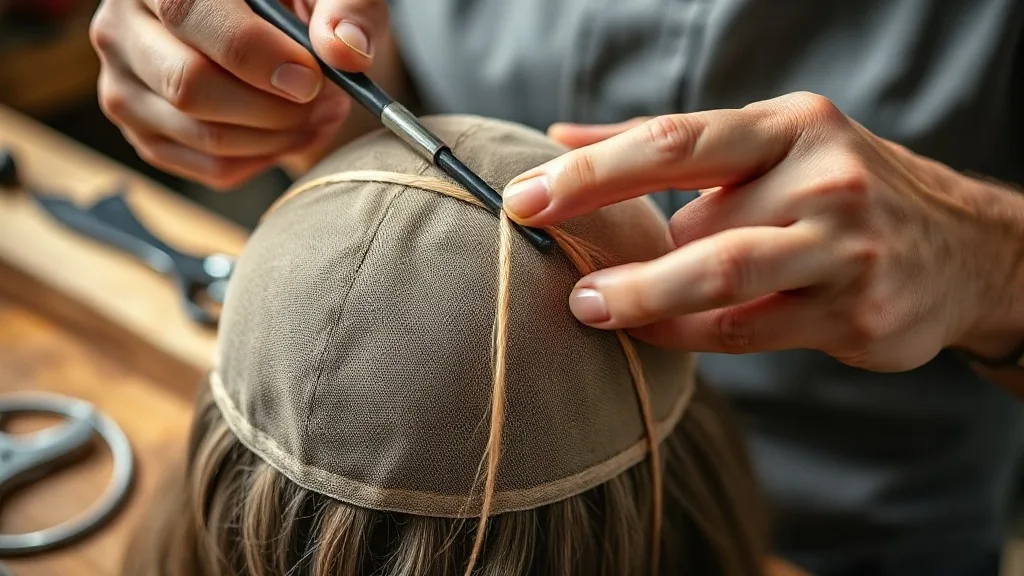

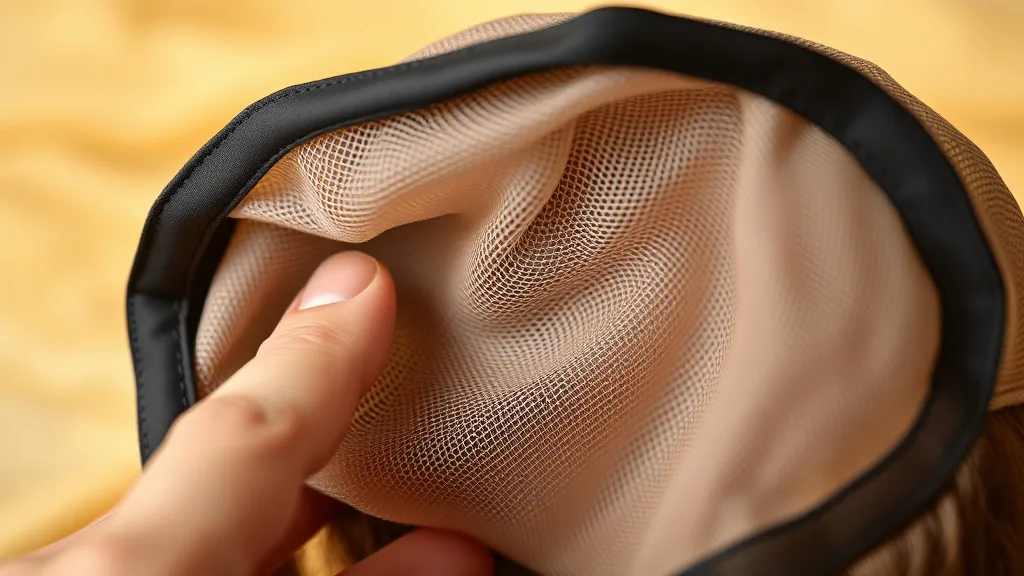
When you're shopping for a wig, you'll see terms like “monofilament,” “hand-tied,” and “lace front.” These aren’t just fancy buzzwords—they describe how the wig cap (the base that holds all the hair) is built. As someone who spends his days building wig stands, I’ve seen every kind of cap construction imaginable, from the ultra-realistic to the super durable. Let’s cut through the confusion and talk about what each construction means for you.
The Basics: What Is a Wig Cap?
The wig cap is the foundation of the wig. It’s the part that sits on your head, and it determines how the wig feels, breathes, and moves. Most caps are made from a combination of materials like lace, mesh, and soft fabric. The construction affects everything from comfort to styling versatility. Think of it like the chassis of a car—the better the base, the better the ride.
1. Capless (Basic Wefted) Construction
If you’re on a budget or want maximum airflow, capless wigs are your friend. The cap is made of open wefts (rows of hair sewn onto strips) joined together with a thin lace or netting. This allows air to circulate freely, making it cool and lightweight. However, because the scalp shows through the open wefts, it’s less realistic. Great for everyday wear or costume wigs.
- Pros: Lightweight, breathable, affordable
- Cons: Less natural-looking, limited parting flexibility
2. Monofilament (Mono) Construction
Monofilament is a thin, sheer mesh that mimics the look of a real scalp. Usually placed at the crown or throughout the top of the cap, this material allows hair to be hand-tied individually, giving a natural hair growth pattern. You can part the hair in any direction at the monofilament area. It’s more expensive but incredibly realistic. I’ve seen mono tops that fool even experienced wig wearers.
- Pros: Realistic scalp appearance, multi-directional parting
- Cons: Heavier than capless, higher price
3. Hand-Tied Construction
In a fully hand-tied cap, every single hair is individually knotted by hand onto a soft fabric or lace base. This gives the most natural movement because each hair can swing freely. It’s also incredibly comfortable—the cap molds to your head like a second skin. The downside? It takes hundreds of hours to make, so it’s the most expensive option. But for those who want ultimate realism, it’s worth every penny.
- Pros: Natural movement, comfortable, flexible parting
- Cons: Very expensive, delicate
4. Lace Front Construction
A lace front wig has a sheer lace panel along the hairline, usually from ear to ear. Hair is hand-tied into the lace, creating an invisible hairline that looks like hair growing from your scalp. You can style the hair away from your face without exposing wig edges. The rest of the cap may be wefted or monofilament. This is a popular choice for a natural look at a mid-range price.
- Pros: Invisible hairline, natural front, versatile styling
- Cons: Lace can be delicate, requires adhesive for full security
5. Full Lace Construction
Full lace wigs are exactly what they sound like: the entire cap is made of thin, breathable lace. Hair is hand-tied throughout, so you can part it anywhere—even in a ponytail or high bun. This is the gold standard for realism and styling flexibility. Celebrities often wear full lace wigs on red carpets. They require more care and a higher budget, but they're unrivaled in versatility.
- Pros: Total parting freedom, ultra-realistic, can style in updos
- Cons: Pricey, lace needs careful maintenance
6. Skin Cap (Thin Skin) Construction
A skin cap uses a thin, transparent polyurethane material to simulate the scalp. It's often used in medical wigs for hair loss because it creates a flawless, natural look—no mesh or knots visible. The hair is injected into the skin, which feels smooth and cool. It’s great for active wearers because it stays put, but it can be less breathable than lace.
- Pros: Very natural, comfortable against skin, no see-through mesh
- Cons: Less breathable, can be warm, limited lifespan
How to Choose the Right Cap Construction
Your choice depends on your priorities: If you want the most breathable and affordable, go capless. If realism is key and you have a flexible budget, consider a monofilament or hand-tied cap. For styling versatility, full lace wins. As a stand builder, I recommend trying different constructions to see what feels best on your head. Your wig stand can handle any cap, but your scalp will know the difference.
Remember: The cap construction affects not only the look but also how the wig sits on your stand. Hand-tied wigs benefit from standing on a foam head that doesn’t snag the knots. Capless wigs can stretch if over-stuffed. Take care of the cap, and the wig will last longer.
Final Thoughts from a Frame Maker
Wig cap construction is the unsung hero of a great wig. It’s the architecture that turns a pile of hair into a wearable masterpiece. Whether you’re a first-time buyer or a seasoned collector, understanding these structures helps you make smarter choices. And if you ever need a stand that respects your wig’s cap, you know where to find me.