
The Crown of the Show
Darlings, let's talk about the elephant in the room—or should I say, the tangled mess on your head? Whether you're a queen about to lipsync for your life or a first-timer dipping your toes into the wig world, tangles are the ultimate diva killer. I've built wigs that defy gravity and survived confetti cannons, so trust me when I say: tangle resistance isn't a myth. It's a science. And honey, I'm here to teach you the equations.
Fiber: The Foundation of Fabulous
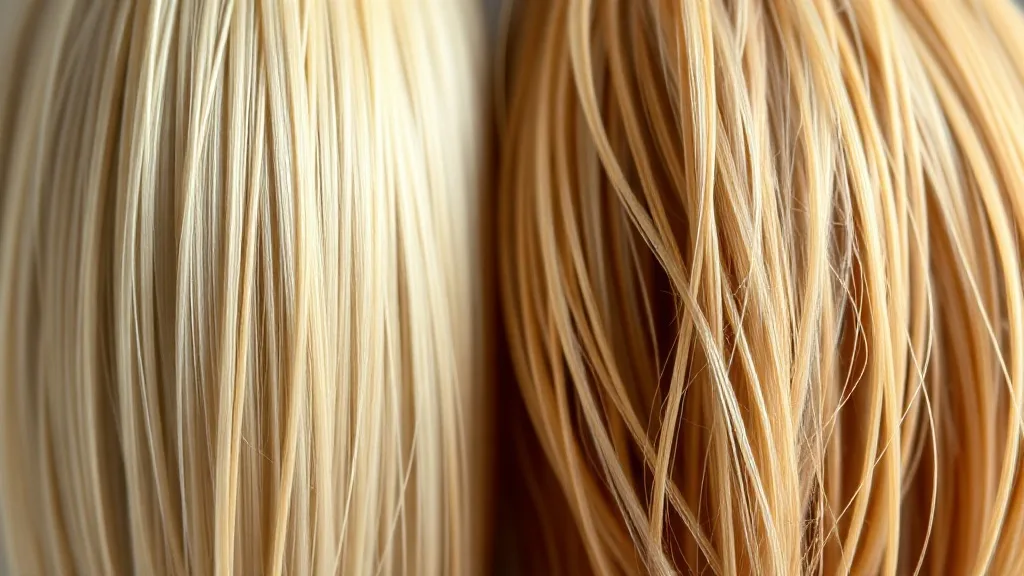
First things first: not all fibers are created equal. Synthetic wigs get a bad rap for tangling, but I've seen human hair wigs turn into bird nests faster than you can say 'drag race.' The secret is in the cuticle alignment. Human hair with intact cuticles (cuticle-aligned, always) lays flat and resists friction. Synthetics like Kanekalon and Toyokalon have come a long way—look for 'heat-friendly' labels that mean the fibers are coated to reduce static and friction. My go-to? A blend of high-grade human hair and heat-friendly synthetic for that perfect balance of texture and durability.
Construction: The Architecture of Anti-Tangle
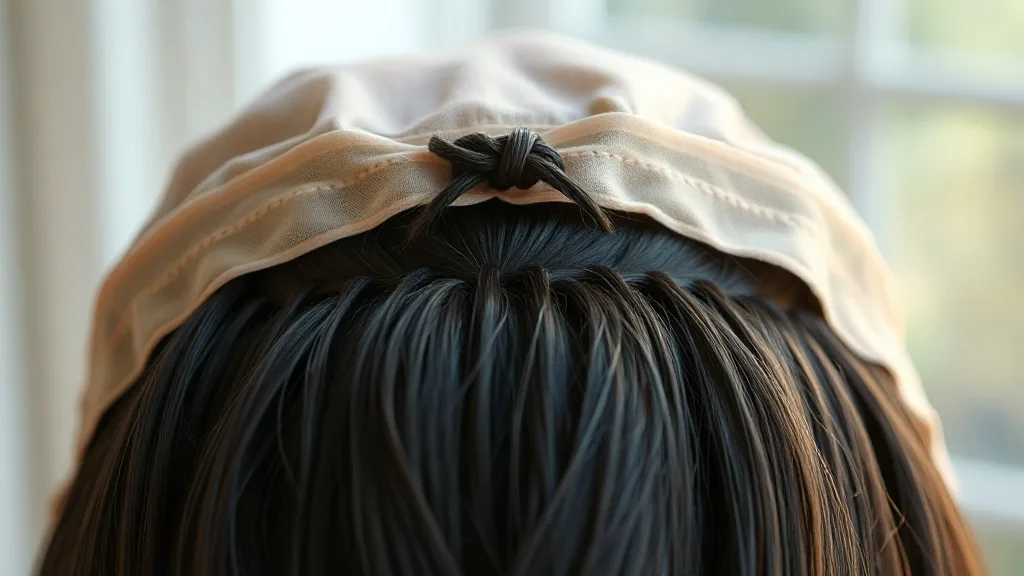
Now let's get into the guts of the wig. A well-constructed wig has wefts that are sewn in a staggered pattern, not straight rows. Why? Because staggered wefts allow the hair to fall naturally and reduce the dreaded 'weft bump' that catches and tangles. I also swear by hand-tied caps for the crown area—each strand is individually knotted, so it moves freely and doesn't mat. And if you're wearing a lace front, make sure the lace is soft and the knots are bleached. Rough lace equals friction, equals tangles. Period.
The Enemy: Static and Friction
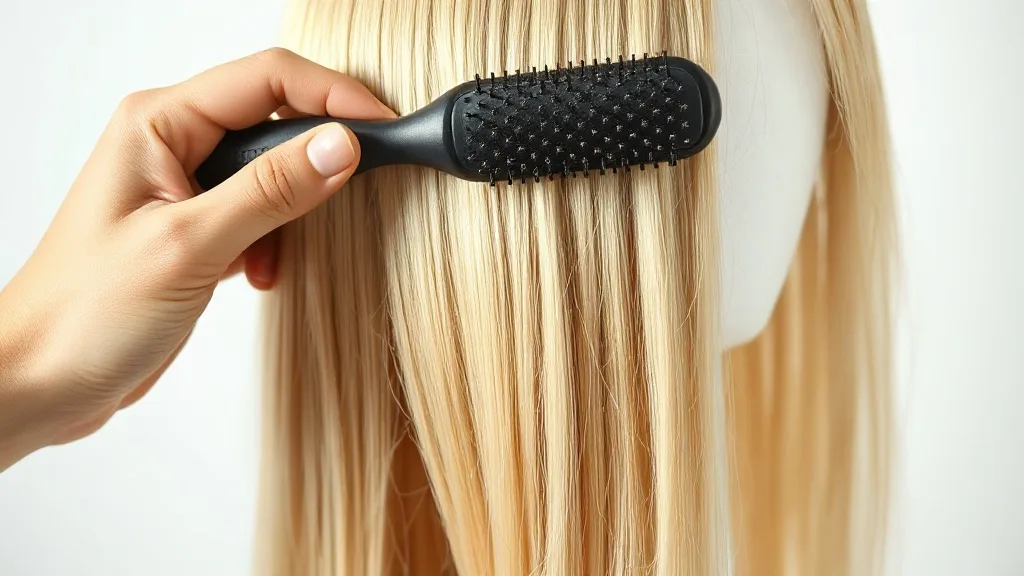
Static electricity is the sneakiest saboteur. Dry air, synthetic brushes, and even certain styling products can turn your wig into a static magnet. Solution? Use a boar bristle brush (yes, the one your grandma used) and a silicone-based shine spray. I always spritz a tiny bit of water and leave-in conditioner before brushing. And for my synthetic queens, a fabric softener rinse (diluted!) works wonders. Just don't soak the cap—only the fibers.
Maintenance: The Nightly Ritual
You wouldn't go to bed with a full face of makeup, so why sleep in a tangled wig? Invest in a silk or satin pillowcase—cotton sucks the moisture out and creates friction. I also recommend a detangling spray made for wigs (yes, it's a thing). Spritz, comb from the ends up, and store your wig on a Styrofoam head or a silk bag. And please, for the love of all things holy, don't use a regular brush. Use a wide-tooth comb or a loop brush designed for extensions.
Style Choices That Save Your Strands
Some styles are just more prone to tangling. Long, straight hair? Gorgeous but high-maintenance. Curly and coily textures actually hide tangles better because the curls clump together. And braids or updos? The ultimate tangle-proof move. If you're performing or partying, pin it up—your future self will thank you. Also, avoid rough textured hairsprays; opt for flexible hold that doesn't glue strands together.
The Bottom Line
Tangle resistance isn't a promise—it's a practice. Choose quality fibers, check the construction, and commit to nightly care. And if your wig still tangles? Own it. Turn it into a new style. That's the drag queen way: make a mess into a moment. Now go out there and slay, untangled and unstoppable.