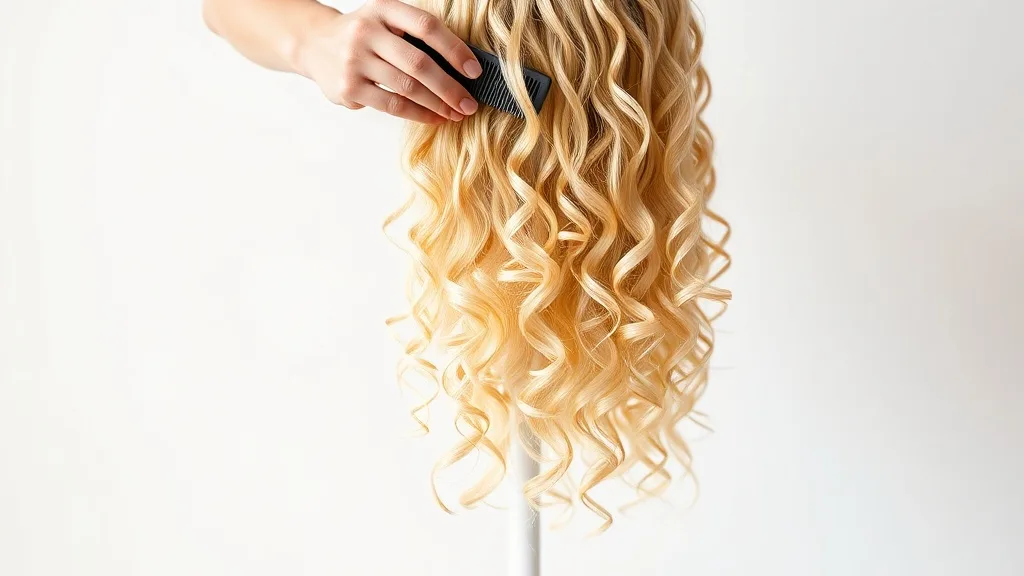


If you've ever spent hours detangling a wig only to have it knot up again the next day, you know the frustration. As a former theater costume designer who has wrangled more wigs than I can count, I've seen every type of tangle imaginable. But here's the truth: most tangling is preventable. In this guide, I'll share the technical secrets behind wig tangle prevention—straight from the stage to your vanity.
Why Do Wigs Tangle?
Wigs tangle for the same reason natural hair does: friction and dryness. But synthetic fibers and human hair wigs have unique vulnerabilities. Synthetic fibers are prone to static and can melt or frizz if exposed to heat. Human hair wigs lack the natural oils of your scalp, making them drier and more prone to tangling. Understanding the enemy is half the battle.
- Friction from pillowcases, collars, or even your own hair rubbing against the wig cap.
- Dryness from washing too often or using harsh shampoos that strip moisture.
- Improper detangling—brushing from the roots down instead of starting at the ends.
- Storage that allows strands to rub together, like tossing a wig in a drawer.
The Right Way to Detangle
Detangling is an art. Always start with a wide-tooth comb or a specialized wig brush. Work from the tips upward, holding the hair above the tangle to avoid pulling on the cap. For stubborn knots, use a detangling spray made for wigs—never conditioners with oils that can weigh down synthetic fibers. I recommend a ratio of 1 part fabric softener to 20 parts water for synthetics, but test on a small strand first.
Washing and Conditioning: The Foundation
Harsh shampoos strip moisture, leaving wigs dry and tangly. Use sulfate-free, moisturizing shampoos specifically for wigs. For human hair wigs, a deep conditioning treatment once a month is a must. For synthetics, skip conditioner—it can coat the fibers and cause them to attract dirt. Instead, use a leave-in conditioning spray designed for synthetics.
Drying Without Damage
Never rub a wig with a towel. Gently squeeze out excess water, then pat dry. Place the wig on a stand and let it air dry completely before styling. For synthetic wigs, avoid heat drying. For human hair, use a blow dryer on low heat with a diffuser, but keep it at least 6 inches away.
Storage Secrets
Proper storage is critical. Always store a wig on a mannequin head or wig stand to maintain its shape and prevent strands from tangling. For travel, use a silk or satin bag—cotton and polyester create friction. Never store a wet wig; mildew can ruin the fibers and cause tangling at the roots.
Product Recommendations
I always keep a few staples in my kit: a detangling brush with flexible bristles, a silk pillowcase (yes, for wigs too), and a good anti-static spray. For human hair, a lightweight argan oil can help, but go easy—less is more. For synthetics, a fabric softener spray (as mentioned) works wonders.
Final Thoughts
Preventing wig tangles is about consistency. With the right tools and techniques, you can keep your wig looking smooth and natural for months. Remember: treat your wig like a delicate garment, not a hat. And if you ever feel overwhelmed, just think of a stage actor changing wigs in 30 seconds—if they can do it, so can you.