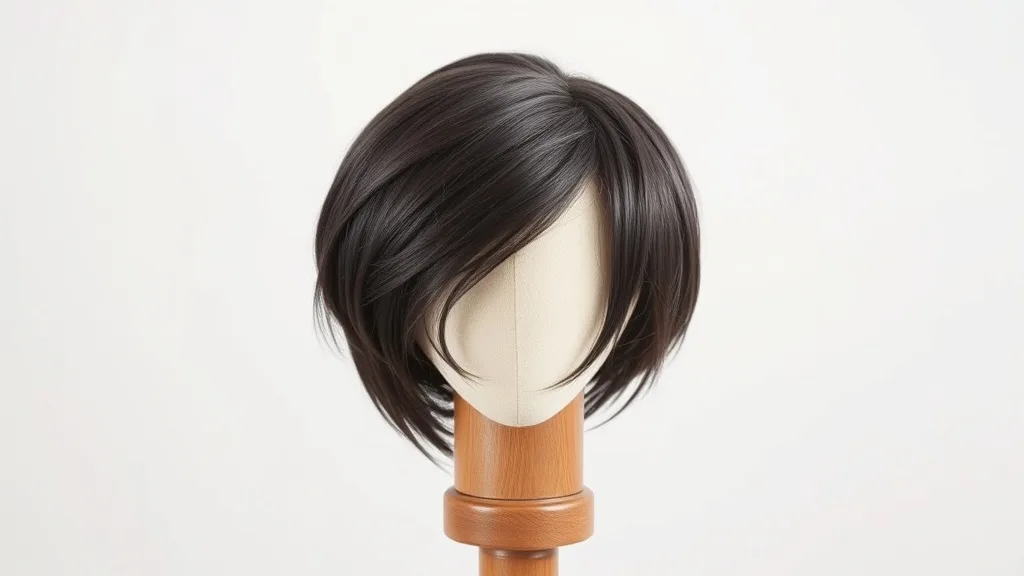
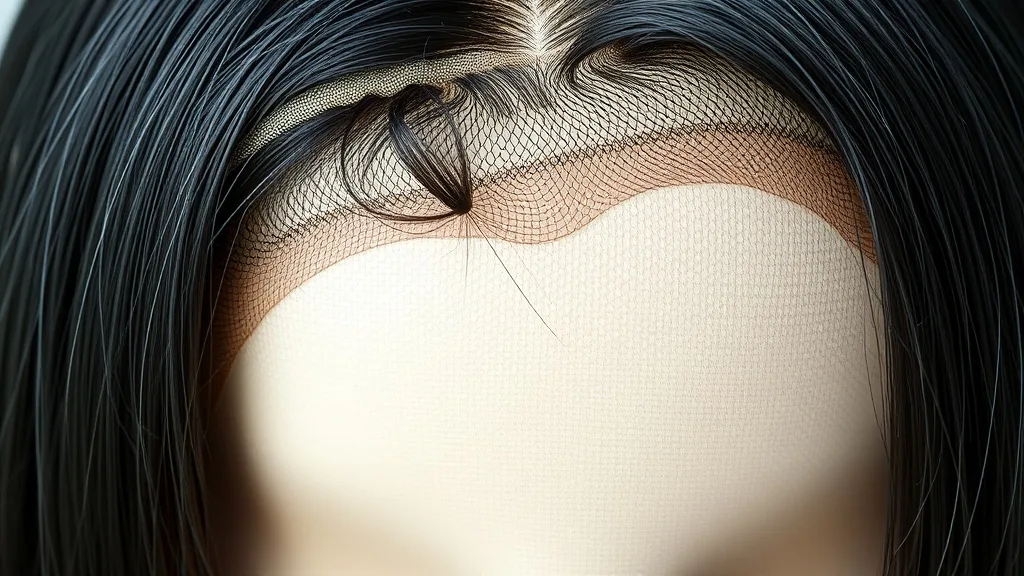
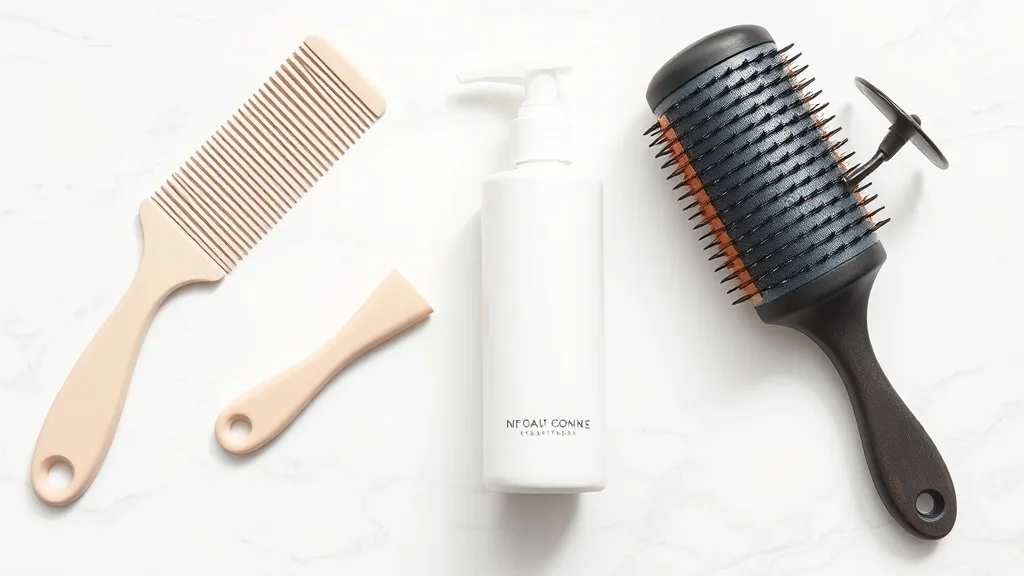
Darling, let’s talk about the hair-raising terror that strikes the heart of every wig wearer: the dreaded snag. You know the moment — you’re brushing your gorgeous lace-front, feeling like a million bucks, and then *catch*. A tiny thread pulls, and suddenly your perfect ‘do looks like it went ten rounds with a cat. But fear not! I’m here to spill all the tea on why snags happen and how to send them packing.
What Exactly Is Wig Snagging?
Snagging occurs when the fibers of your wig — whether human hair or synthetic — get caught on something and pull, creating a loop or tangle that won’t smooth down nicely. It’s like a run in your favorite pantyhose, but on your head. And just like those runs, once you see one, you can’t unsee it.
The Usual Suspects: Common Causes of Snags
- Rough brushing — using the wrong brush or yanking through tangles like you’re in a hurry.
- Sharp edges on wig caps — those little knots in the lace can act like tiny fishhooks.
- Friction from clothing — high collars, scarves, even pillowcases can grab at fibers.
- Dry or damaged hair — both human and synthetic wigs get brittle, making them more prone to snagging.
Prevention Is Your Best Friend
Think of wig snagging like a bad relationship: avoid the red flags from the start, and you’ll save yourself a world of hurt. Here are my tried-and-true prevention tips:
- Always use a wide-tooth comb or a wig-specific brush — never a regular hairbrush!
- Detangle from the ends up, just like you would with your natural hair.
- Invest in a satin or silk pillowcase — your wig will thank you in the morning.
- Give your wig a regular dose of silicone-based conditioner to keep fibers slippery and smooth.
What to Do When a Snag Strikes
Okay, you’ve got a snag. Don’t panic, and definitely don’t grab scissors! First, isolate the snagged strand. Then, using a fine needle or a wig repair tool, gently work the loop back through the wig base. If it’s a minor snag, you can use a steamer (on low) to relax the fiber and gently smooth it out. For big snags, a drop of fabric softener diluted in water can work wonders — but test on an inconspicuous spot first!
When All Else Fails: Call in the Pros
If your wig looks like it’s been through a blender, it might be time to bring it to a professional wig stylist (like yours truly). We can re-weft, replace lace, or even trim and restyle to hide damage. Sometimes a snag is just a sign that it’s time for a makeover!
Remember, darlings: a snag isn’t the end of the world. With a little love and the right technique, your wig will be back to its luscious, flawless self in no time. Now go forth and style without fear!