


Once upon a time, in the glamorous world of wigs, a common villain lurked: the dreaded ill-fitting cap. It pinched, it slipped, it betrayed the most beautiful hairlines. But here's the truth: the villain is not the wig—it's not knowing your size. Welcome, dear reader, to a journey of measurement, myth-busting, and the perfect fit. I'm Aisha Patel, your wig historian and guide, and I'm here to tell you that every head has a wig that's just right.
Why Cap Size Matters
Imagine wearing a pair of shoes that are too tight—painful, isn't it? Now imagine that on your head, for hours. An ill-fitting wig cap can cause headaches, discomfort, and even damage to your natural hair. Beyond comfort, the right cap size ensures your wig stays put, looks natural, and lets you move through life with confidence. Cap size is the foundation of your wig experience; get it right, and everything else falls into place.
The Standard Cap Size Categories
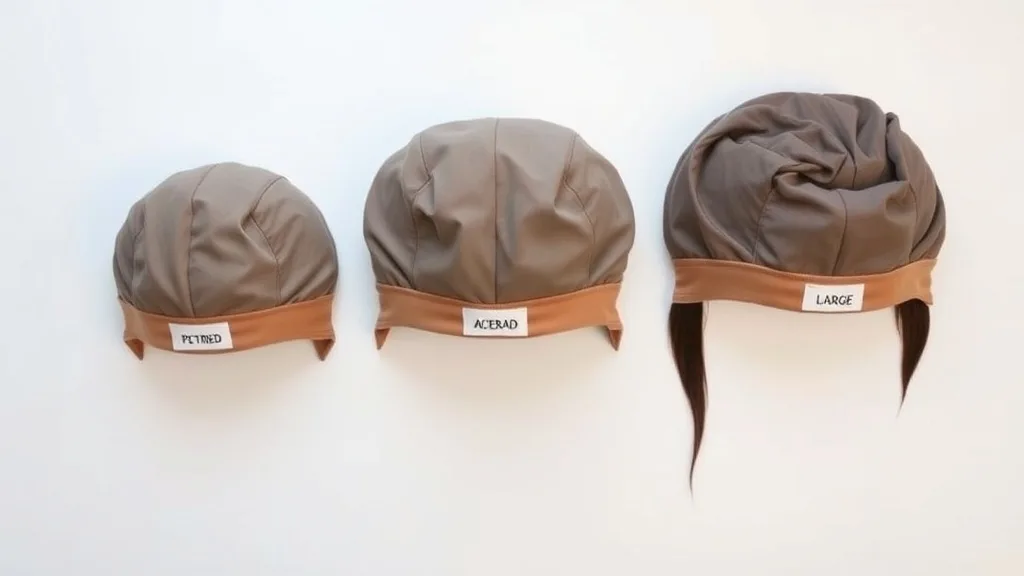
Most wig brands use a standard sizing system, typically Petite, Average, and Large. But here's the secret: these labels are not one-size-fits-all—literally. Let's break them down:
- Petite: Circumference roughly 21–21.5 inches (53–54.5 cm). For smaller head shapes, often with narrower front-to-back and ear-to-ear measurements.
- Average: The most common size, 22–22.5 inches (56–57 cm). Fits most adult heads, but variations exist.
- Large: 23–23.5 inches (58.5–60 cm) and above. Designed for fuller head shapes or those with thick natural hair.
Some brands also offer 'petite average' or 'average large' as hybrid options. Remember, these are guidelines; your perfect size may cross boundaries.
How to Measure Your Head Correctly
Grab a soft measuring tape and a mirror—or a friend. Here's the method that never fails:
- Circumference: Place the tape at your hairline (forehead), go around your head just above your ears, and meet at the nape of your neck. Keep it snug but not tight.
- Front to Nape: From your hairline at the forehead, over the top of your head, to the nape of your neck.
- Ear to Ear Across Forehead: From the soft spot behind one ear, across your forehead, to the same spot behind the other ear.
- Ear to Ear Over Top: From behind one ear, over the crown, to behind the other ear.
- Nape of Neck: Measure the width of your nape where the wig will sit.
Write down these numbers. Compare them to the brand's sizing chart—not all charts are created equal, so measure each wig if possible.
Common Myths About Cap Sizes
Let's dispel a few persistent myths, shall we?
- Myth: 'One size fits all.' Truth: That rarely exists for wigs. Adjustable straps can help, but the base should be close to your size.
- Myth: 'If it's too big, I can just tighten the straps.' Truth: Over-tightening can create a bumpy silhouette and discomfort. Better to find the right size.
- Myth: 'I have a big head, so I need a large.' Truth: Head shape is 3D—someone with a large circumference might have a small nape. Measure all dimensions.
Tips for Getting the Perfect Fit
You've measured, you've shopped—now here's how to ensure that wig feels like it was made for you:
- Consider adjustable caps: Many wigs have straps or combs for minor tweaks. They're lifesavers.
- Try before you buy: If possible, visit a store or order from a site with easy returns. Wigs can vary by brand.
- Think about your hair density: If you have thick natural hair, you might need a larger cap. If you're bald or have thin hair, a smaller cap may fit better.
- Don't ignore the nape: A too-tight nape can cause irritation; too loose, and the wig may lift.
And a little secret from my historian's cabinet: vintage wigs often had smaller caps because hair was worn closer to the head. Modern styles have more volume, so cap sizes have expanded. Choose the size that matches your lifestyle.
Conclusion
The truth is simple: wig cap sizes are not a mystery—they're a map. With the right measurements and a bit of knowledge, you can find a wig that fits like a dream. So measure carefully, shop wisely, and embrace the comfort of a cap that was made for you. Your perfect wig is out there, waiting to tell your story.
Until next time, keep your head held high—and your wig securely in place.