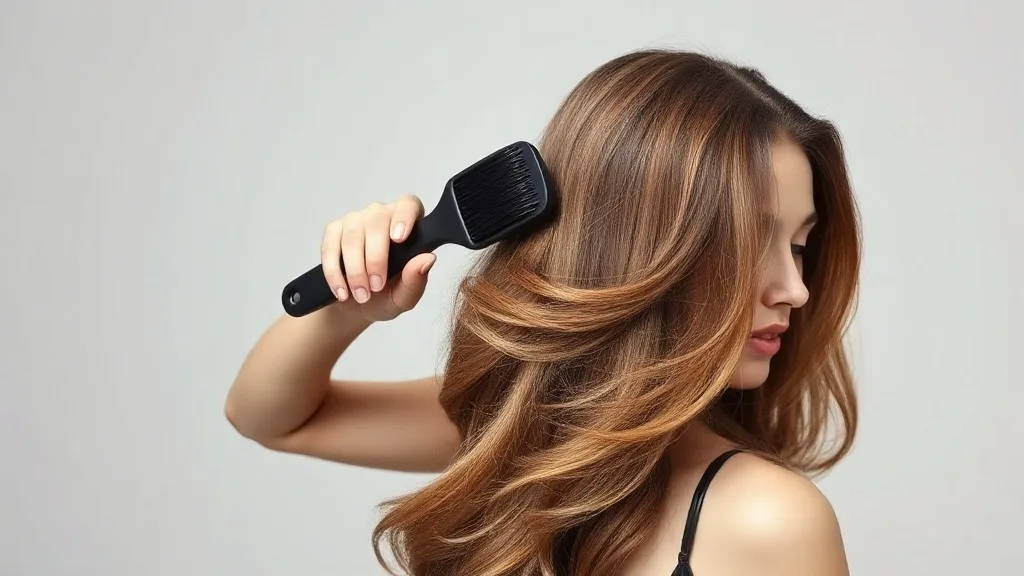

If you're new to wigs, you've probably heard a lot of conflicting information. Some say wigs are hot and uncomfortable, others claim they’ll never look natural. As a hair scientist and lifelong wig enthusiast, I’m here to clear the air. Modern wig technology has come a long way, and flexibility is one of the biggest game-changers. Let’s dive into the most common myths and set the record straight.
Myth #1: Wigs Are Stiff and Uncomfortable
This myth probably stems from old-school wigs made with thick, non-breathable materials. Today's wigs are designed with comfort in mind. Here’s why they’re anything but stiff:
- Lightweight caps made from breathable mesh or lace that conform to your head shape.
- Adjustable straps and combs for a secure yet flexible fit.
- Soft, heat-friendly fibers that move and flow like natural hair.
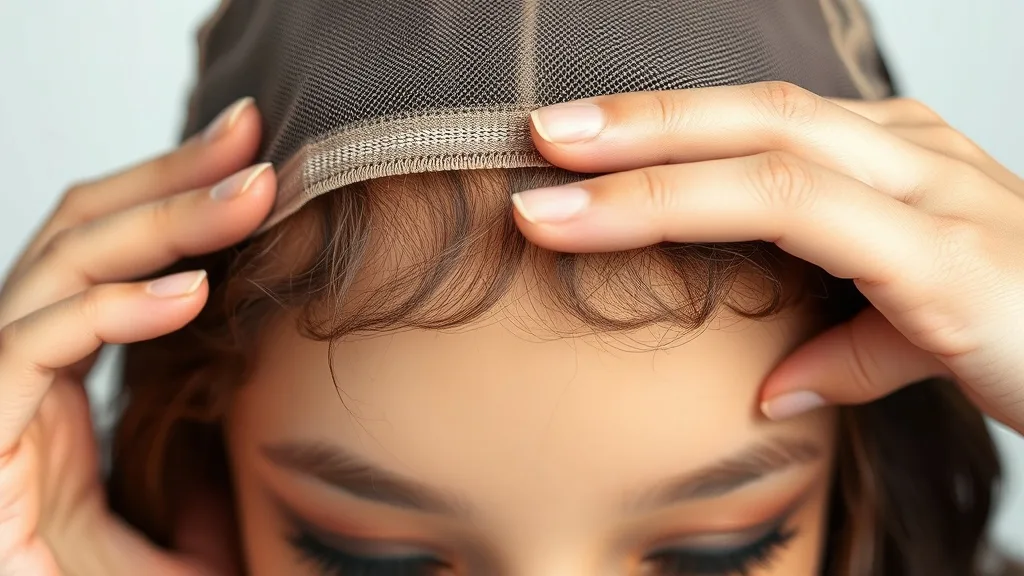
- Monofilament tops that mimic scalp movement, giving you realistic parting.
Myth #2: You Can’t Style a Wig Like Real Hair
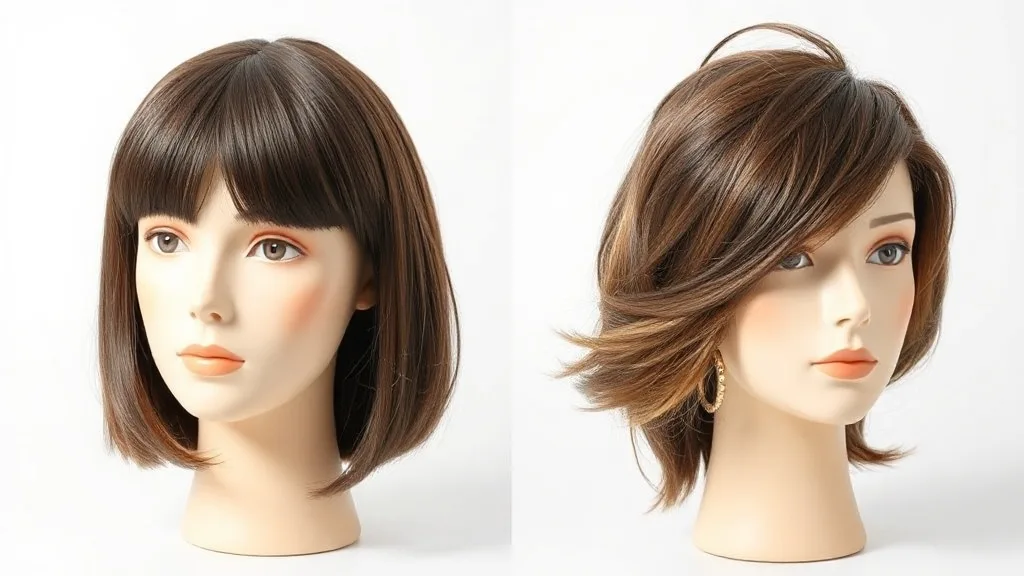
Many believe wigs are one-size-fits-all and can’t be restyled. But premium synthetic and human hair wigs are incredibly versatile. You can:
- Use low-heat tools (up to 350°F for synthetics) to curl or straighten.
- Cut and trim layers to frame your face.
- Add product like mousse or dry shampoo to change texture.
- Dye human hair wigs to match your desired color.
Myth #3: Wigs Will Slip Off When You Move
A common fear, but modern wig construction ensures a snug fit. Lace front and full lace wigs can be secured with adhesive or tape. Many also feature silicone grips or adjustable straps. For active lifestyles, there are even swimming and sports wigs with extra security. With proper application (and a little practice), your wig will stay put through yoga, dancing, or a windy day.
Myth #4: All Wigs Look Fake and Unnatural
The key to a natural look lies in construction and quality. Modern wigs have features that make them virtually undetectable:
- Transparent lace fronts that blend seamlessly with any skin tone.
- Hand-tied hairs that allow for realistic movement and parting.
- Pre-plucked hairlines that mimic natural hair growth.
- High-quality fibers with subtle highlights and low-sheen finish.
Myth #5: Wigs Damage Your Natural Hair
Worn correctly, wigs actually protect your natural hair. They shield it from harsh weather, heat styling, and constant manipulation. The key is to prep your hair properly—moisturize, braid or flat twist, and wear a wig cap. Avoid tight braids or excessive glue. When you take breaks and care for your scalp, wigs can be a healthy styling alternative.
Conclusion: Embrace the Flexibility
The wig world has evolved, and flexibility is at its core. Whether you’re a first-time wearer or a seasoned pro, don’t let outdated myths hold you back. Modern wigs offer comfort, movement, and style that rival natural hair. Ready to find your perfect match? Explore our Getting Started guides and discover the freedom of a flexible, high-quality wig.