

The Surprising Truth About Wavy Wigs
When you think of a wavy wig, you might imagine hours of curling and constant re-styling. But as a miniature wig designer who has spent over a decade crafting tiny wavy wigs for wedding doll cake toppers, I’ve learned a secret: wavy wigs can be remarkably low-maintenance. The key lies in the wave pattern itself. Unlike straight hair that shows every crease and oil buildup, waves have a natural texture that camouflages small imperfections. My experience with doll wigs has taught me that waves hold their shape longer, require less frequent washing, and are more forgiving of storage habits. Let me take you on a journey from miniature tresses to full-size wigs, explaining why wavy might be the easiest option for wig beginners and busy wearers alike.
My Journey with Tiny Wigs
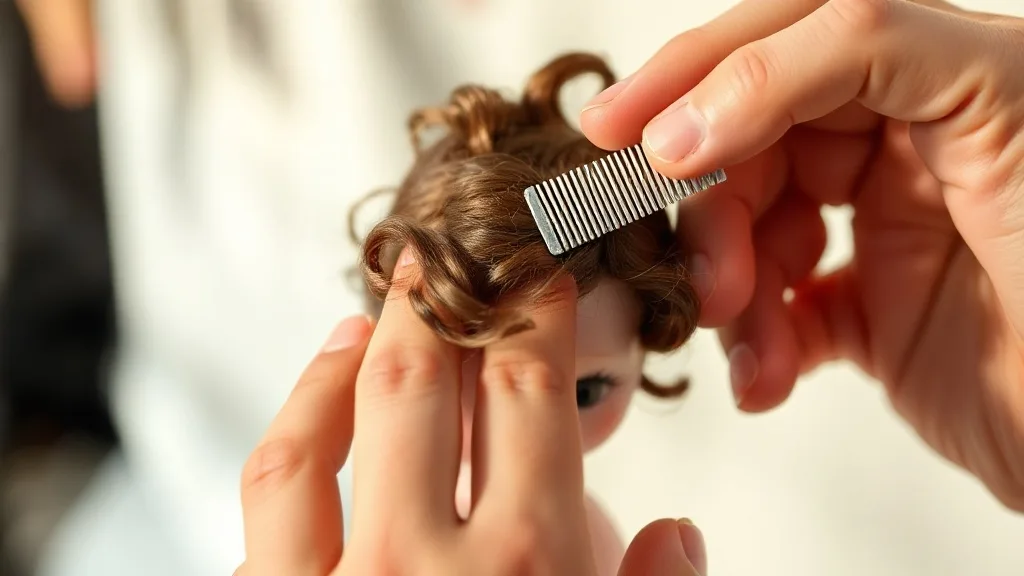
My niche is tiny. I make wigs for bridal cake toppers – those delicate dolls that sit atop wedding cakes. Each wig is only about an inch long, but it needs to be perfect. Over the years, I’ve experimented with various textures: straight, curly, and wavy. Straight miniature wigs are surprisingly difficult. They require perfectly even tension when rooting, and any slight bend in the fiber becomes glaringly obvious. Waves, on the other hand, are forgiving. A little irregularity in the wave pattern looks organic, even desirable. I’ve found that wavy doll wigs can go longer between washes because the waves disrupt the visual buildup of oils. This observation directly translates to human wigs: wavy textures hide dirt and oil much better than straight ones. Plus, when you store a wavy wig, the waves don't flatten as easily as curls or crease as badly as straight hair. It’s a resilience I’ve come to rely on in my miniature work, and it holds true for full-size pieces.
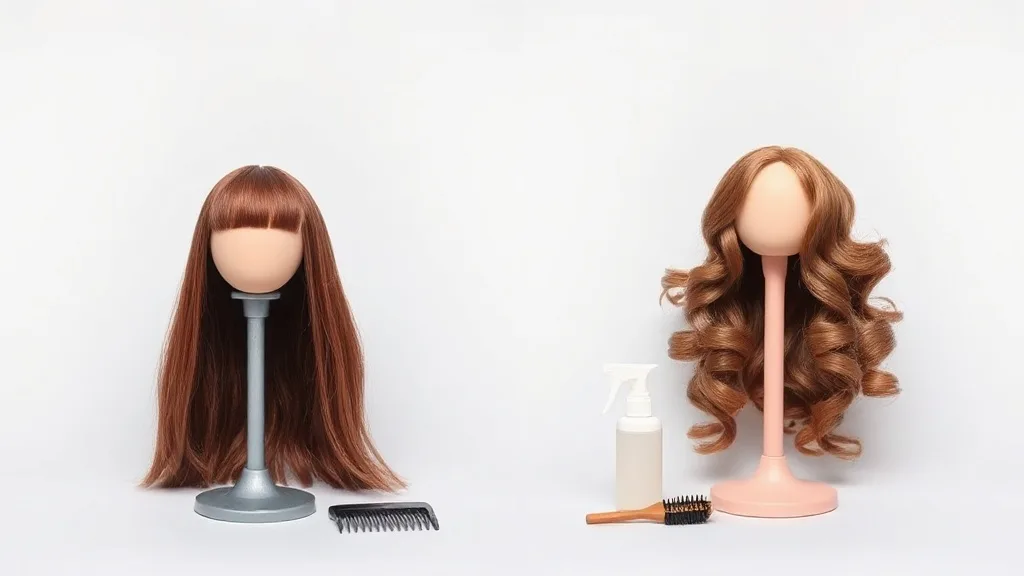
Comparing Maintenance: Straight vs. Wavy
- Tangling: Waves interlock less aggressively than curls, so they tangle less than curly wigs but more than straight. However, the tangles in wavy wigs are usually easier to brush out because there’s less twist.
- Styling: Straight wigs require heat styling to add volume or curves, which damages fibers over time. Wavy wigs already have built-in volume and body; you can often refresh them with just a light spritz of water.
- Frizz: On humid days, straight wigs can puff up and lose their sleekness. Wavy wigs embrace a little frizz – it blends into the wave pattern, making the wig look intentionally tousled.
- Washing Frequency: Straight wigs show oil and product buildup quickly, requiring wash every 6-8 wears. Wavy wigs can stretch to 10-12 wears because waves diffuse oil along the hair shaft.
The Wigplace Guide to Wavy Wig Care
Drawing from my doll wig expertise, here are three tips for maintaining a wavy wig that will keep it looking fresh with minimal effort:
- Refresh with Steam, Not Heat: Hold the wig over a steaming shower or use a handheld steamer to revive waves without curling irons. The steam relaxes the fibers and re-forms the wave pattern.
- Store Loose, Not Squished: Use a wig stand or a mesh bag that allows the waves to fall naturally. Avoid tight buns that can crimp the waves into unnatural creases.
- Detangle with a Wide-Tooth Comb: Starting from the ends, gently work through tangles. Waves grip the comb less than curls, so this process is faster and less stressful for the hair.
Conclusion
From my tiny wedding dolls to your full-size wig collection, wavy textures offer a delightful balance of beauty and ease. They hide flaws, require less washing, and respond well to gentle refreshing. So, if you’re new to wigs or just tired of constant styling, consider a wavy wig. It might be the low-maintenance companion you never knew you needed. At Wigplace, we celebrate all textures, but I’ll always have a soft spot for waves – they’re the unsung heroes of the wig world.