Introduction
Whether you're a seasoned wig wearer or a newbie, dealing with adhesive residue is a common headache. I've spent years on film sets removing glue from wigs between takes, and trust me, the wrong approach can ruin a beautiful piece in seconds. In this guide, I'll share the Hollywood-approved methods that will save your wig and your sanity.
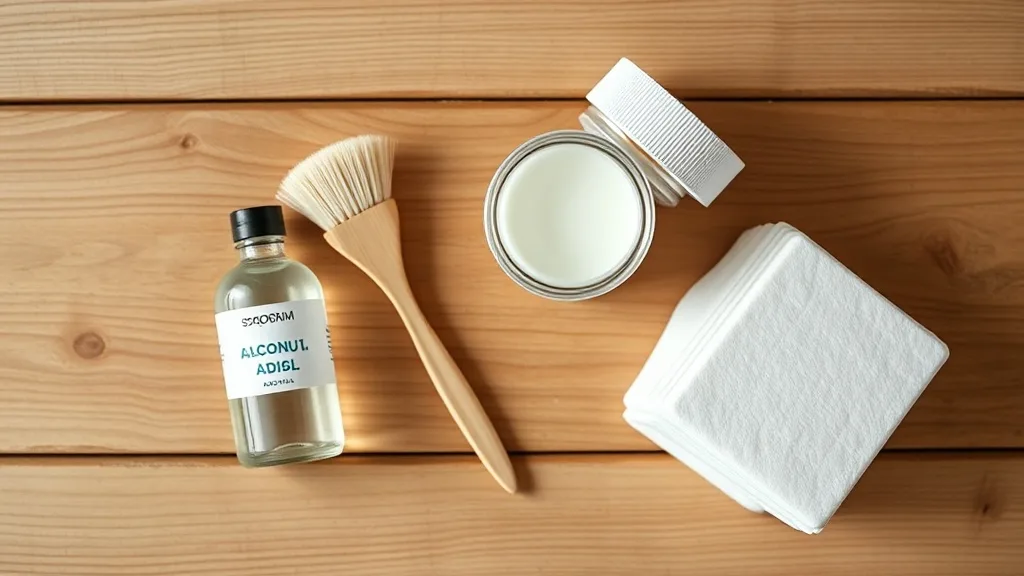
What You'll Need: The Spilled Secrets Kit
- Isopropyl alcohol (70% or higher) — the workhorse
- Coconut oil or a dedicated wig-safe adhesive remover
- Cotton rounds or soft cloths (no lint!)
- A fine-tooth comb and a soft-bristle brush
- Patience and a steady hand
Step 1: Test on a Small Area
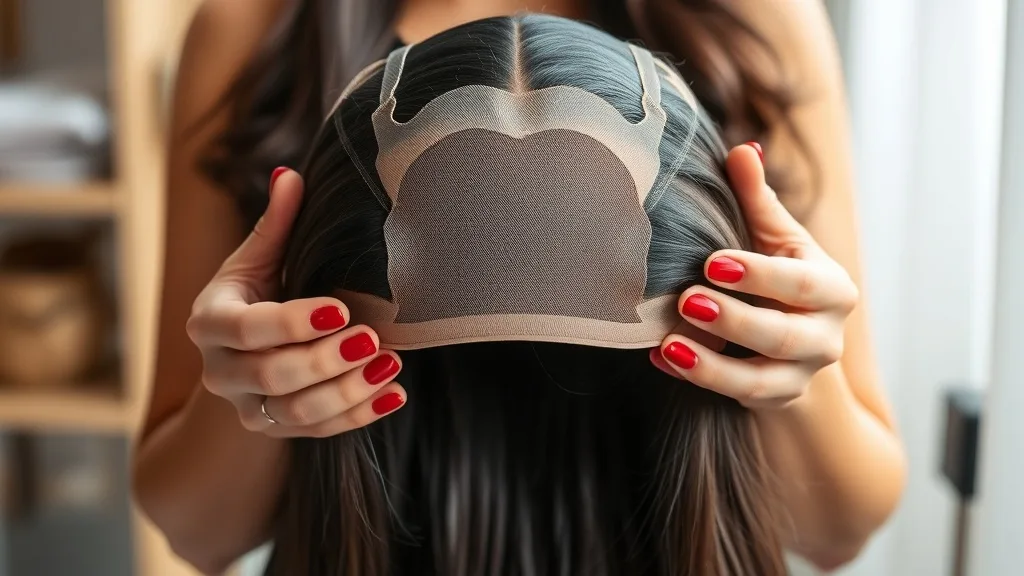
Before you go in, always test your chosen remover on a hidden section of the wig base. Apply a tiny amount, wait a minute, then blot. If the lace or fibers don't react, you're good to proceed. On set, we've seen too many wigs ruined by impatient assistants who skipped this step. Don't be that person.
Step 2: Apply the Remover
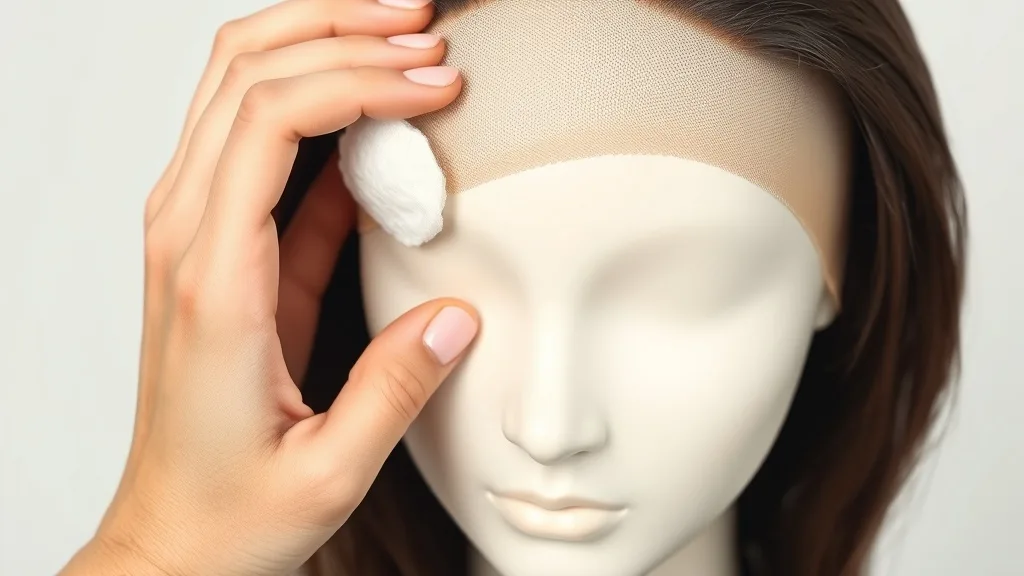
Dab a cotton round with isopropyl alcohol or a wig-safe remover. Gently press it onto the glue residue, letting it soak for 30 seconds to a minute. The alcohol breaks down the adhesive bond, making it easier to slide off. For particularly stubborn glue, use a drop of coconut oil — it's gentle on lace and melts the glue like a charm.
Step 3: Gently Roll or Lift the Glue
Once the glue softens, use your fingertip or the blunt edge of a comb to roll the residue off. Never pull or scrape — that's how you tear lace. If the glue doesn't budge, reapply solvent and wait longer. On set, we're often working against the clock, but with your own wig, take your time. Think of it as a spa day for your wig.
Step 4: Clean and Condition
After all glue is removed, wash the wig with a gentle shampoo and condition as usual. This restores moisture and keeps the fibers shiny. If you used oil, a mild clarifying shampoo will do the trick. Air dry on a wig stand — never wring or twist.
Pro Tips from the Backlot
- Avoid acetone or nail polish removers — they melt synthetic fibers and damage human hair.
- For lace front wigs, use a cotton swab dipped in alcohol for precision around the hairline.
- Store your wig with a satin cap to reduce static and keep it clean.
Common Mistakes to Avoid
- Scrubbing vigorously — you'll tangle the hair or tear the base.
- Using excessive heat (hair dryer) to loosen glue — it can warp the lace.
- Ignoring residue buildup — it attracts dirt and shortens wig life.
Remember, every wig has its own personality. Some glues are stubborn, some lace is delicate. Treat your wig with the same care as you would a multi-million dollar film prop — because to me, they are.