


As a wig artist who spends countless hours perfecting mannequin wigs, I've learned that the foundation of any great hairstyle is a flawless fit. For those with smaller head sizes, finding a wig that doesn't slip, gap, or feel bulky can be a frustrating quest. But with the right knowledge, you can achieve a secure, natural-looking fit that feels like it was made for you. In this guide, I'll walk you through every step—from measuring your head to understanding cap constructions—so you can choose the perfect wig cap size for your small head.
Why Cap Size Matters
A wig that's too large will shift, creating unsightly gaps and constant adjustment. Too small, and it will pinch and cause headaches. For small heads, the standard average size often leaves a gap at the nape or temples. The key is to find a cap that matches your specific measurements. A well-fitted wig stays secure, enhances comfort, and looks natural—allowing you to move with confidence.
How to Measure Your Head
Accurate measurement is the first step. You'll need a flexible measuring tape and a mirror (or a helper). Measure at the points where the wig will sit: the circumference, front to nape, ear to ear across the top, and ear to ear around the back. Here's a step-by-step process:
- Circumference: Place the tape at your hairline (forehead), go around above your ears, and meet at the nape. Keep the tape snug but not tight.
- Front to Nape: From your natural hairline at the center of your forehead, over the top of your head to the nape of your neck.
- Ear to Ear (Across Top): From the top of one ear, over the crown, to the top of the other ear.
- Ear to Ear (Around Back): From the top of one ear, around the back of your head, to the top of the other ear. This is often called the 'nape of neck' measurement.
Write down your measurements in inches or centimeters. Compare them to the wig's sizing chart. Most brands list sizes as Petite (21-21.5 inches), Average (22-22.5 inches), and Large (23-23.5 inches). If your circumference is around 21 inches or less, you'll likely need a petite or extra-small size.
Understanding Cap Constructions for Small Heads
Not all wigs are created equal. The cap construction determines how the wig fits and conforms to your head. For small heads, look for these features:
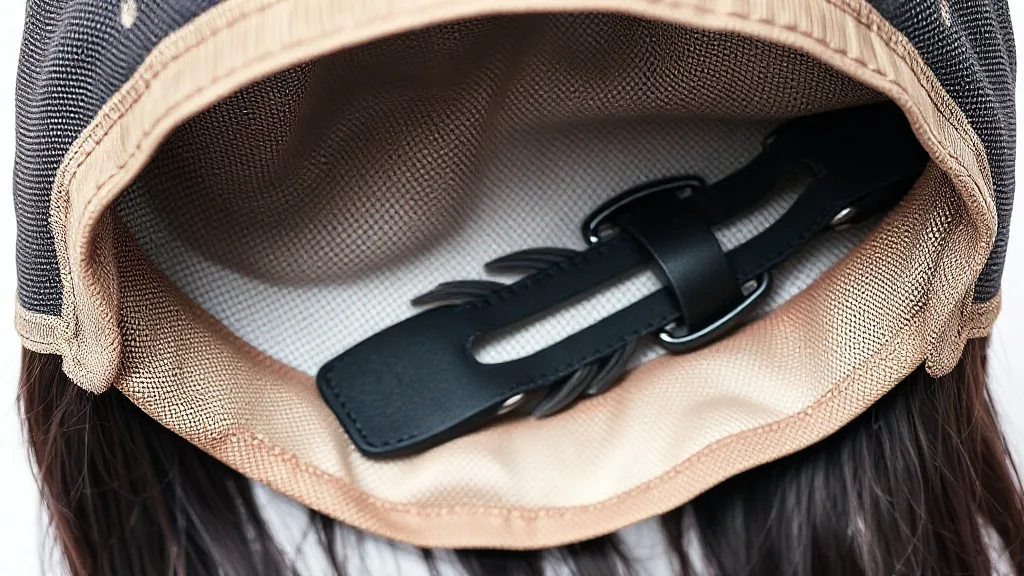
- Adjustable straps: Most wigs have straps at the nape. For small heads, these are essential to tighten the fit. Look for multiple adjustment points.
- Combs and clips: Wigs with comb attachments (usually at the temples and nape) help anchor the wig to your natural hair or a wig cap.
- Lace fronts: A lace front can create a more natural hairline, but ensure the cap size is correct to avoid gaping at the edges.
- Monofilament tops: These allow for multi-directional parting and can be more forgiving on small crowns.
- Capless or open wefted caps: These are lighter and cooler, but may not hug a small head as securely. Full lace or lace front wigs often fit smaller heads better because the lace can be trimmed.
Best Wig Cap Types for Small Heads
Based on my experience, the following cap types are top choices for small heads:
- Petite Size Wigs: Many brands offer a 'petite' size specifically for small heads. These are a safe bet if you fall within that range.
- Adjustable Lace Front Wigs: The lace can be cut to fit your hairline, and the adjustable straps allow you to customize the circumference.
- Full Lace Wigs: The entire cap is lace, which can be gathered and tied to fit smaller heads. They offer the most versatility for size adjustments.
- Wigs with Velcro Adjustments: Some caps have velcro at the nape or ear tabs for fine-tuning the fit.
- Custom-Made Wigs: For a truly perfect fit, consider a custom wig made to your exact measurements. It's an investment but worth it for comfort and confidence.
Adjusting and Customizing Your Wig
Even with the right size, you may need minor adjustments. Here are techniques used by professionals:
- Sew in extra wefts or padding: If the wig is slightly loose, you can add an elastic band or sew in a strip of foam at the nape.
- Trim the lace: On lace front or full lace wigs, you can trim the lace to match your hairline, reducing bulk and improving fit.
- Use wig grips or adhesives: A wig grip band worn underneath can prevent slipping. Adhesive tapes or glues can secure the perimeter.
- Reinforce combs: Sew combs into the cap at strategic points (temples, crown) for extra hold.
- Adjust the straps: Some wigs have straps that can be tightened by pulling or adding knots.
Always make small adjustments first and test the fit by moving your head—bending, shaking, and looking down. A well-fitted wig should feel like a second skin.
Conclusion
Choosing the right wig cap size for a small head is all about precision and understanding your unique measurements. Don't settle for a wig that feels loose or ill-fitting. With the tips in this guide, you can confidently select a wig that stays put and looks natural. Remember, every head deserves a perfect fit—whether human or mannequin. Happy wig hunting!