
Understanding Wig Density
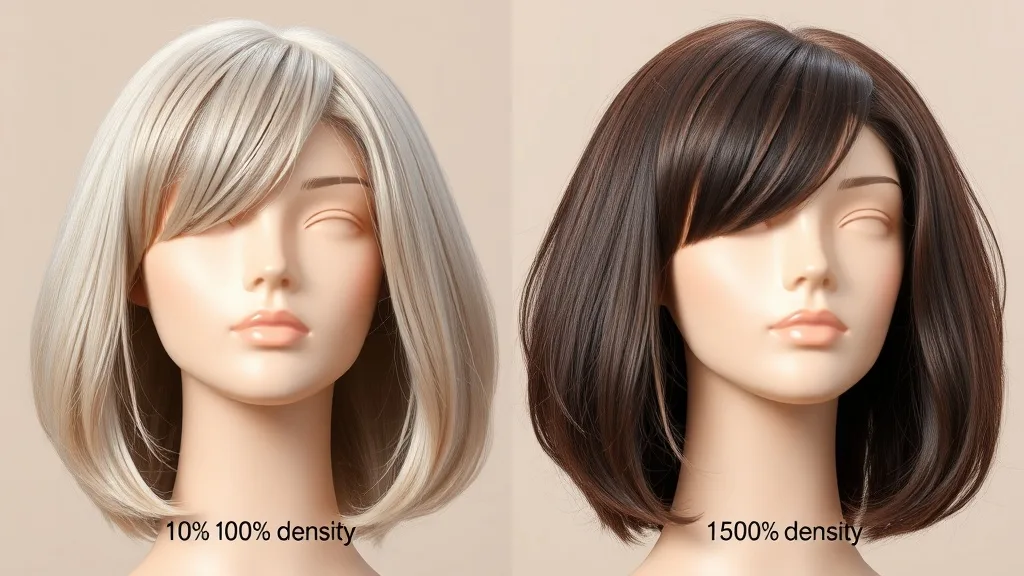
Wig density refers to the amount of hair on the wig cap, typically measured as a percentage from 50% (light) to 200% (very heavy). Most wigs fall between 100% and 150%, with 130% being a common average. Choosing the right density for your activities, climate, and boldness level can directly impact how much you spend.
How Density Affects Price
Higher density wigs require more hair, more cap construction, and often more labor. This naturally drives up the cost. Lower density wigs use less hair, are lighter, and can be significantly cheaper. For example, a 130% density wig might cost $200–$300, while a 150% density version of the same style could be $350–$500. By choosing a density that matches your real-world needs, you can save substantially.
Why Lower Density Can Be a Money-Saver
- Less hair means lower material and production costs.
- Lighter wigs are more comfortable in warm weather, reducing the need for multiple wigs.
- Lower density wigs are easier to style and maintain, saving on salon visits.
- They can often be worn closer to the scalp, making them look more natural and reducing the need for high-end custom pieces.
Tips for Choosing Density to Save Money
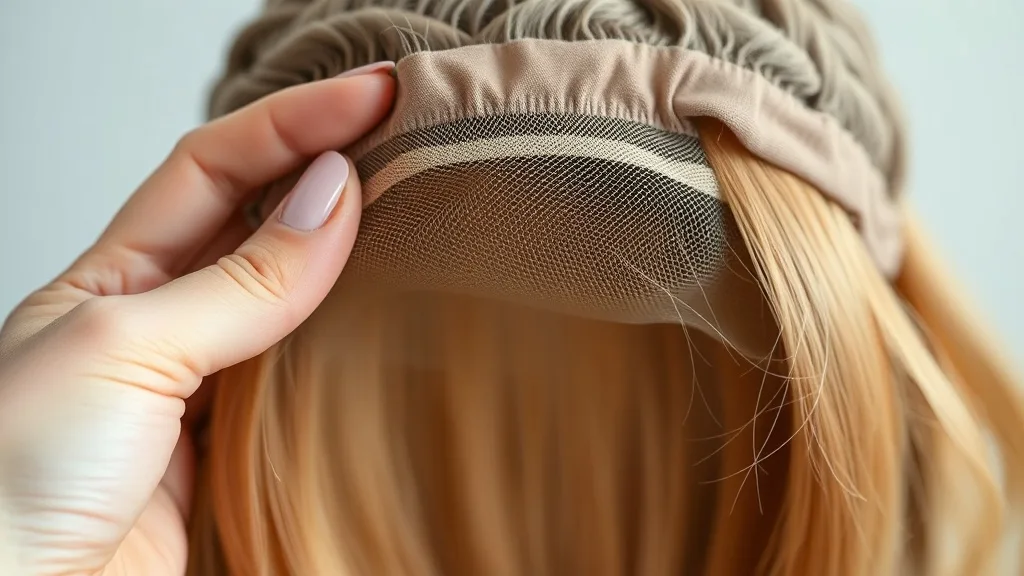
Start by assessing your lifestyle. If you are active, live in a warm climate, or prefer a natural look, a density of 100–120% is often sufficient. For everyday work or casual wear, 120–130% is versatile and cost-effective. Reserve higher densities (150%+) for special occasions or when you want a bold statement piece. Also consider lace front vs. full cap: a lower density on a full cap can be more affordable than a high-density lace front.
My Personal Experience
I've worn wigs for every occasion—yes, even grocery shopping. I own a 100% density wig for hot summer days and a 130% for my office job. My special event wig is 150% only because I know I'll wear it twice a year. By matching density to need, I've cut my wig budget in half. Once you start paying attention to density, you'll see the savings add up.
Final Thoughts
Wig density is not just about fullness—it's a strategic choice that impacts your wallet. By selecting lower densities for daily wear and reserving higher densities for occasions, you can enjoy beautiful wigs without overspending. Remember, a well-chosen lower-density wig looks just as stunning as a heavy one, but at a fraction of the cost.